On March 23, 2018, the United States imposed 25% tariffs on steel and 10% on aluminum, citing national security and promising to protect industrial jobs. Similar measures are being debated again in several economies, driven by tensions over critical metals and the desire to relocate some production.
The European Commission defines tariffs as "a form of foreign trade regulation and a policy that taxes foreign products to promote or protect domestic industry." The steel and aluminum tariffs caused price increases, retaliation, exemptions, then adjustments to logistics chains.
> Key points to remember
> - The 2018 tariffs raised costs for user industries without generating a boom in steel industry jobs.
> - Trade retaliation hit exporting sectors, sometimes more labor-intensive than steel.
> - Automation and industrial consolidation structurally limit the ability of tariffs to create direct jobs.
> - For digital players, exposure comes through hardware: servers, racks, cables and data center infrastructure.
Steel jobs after the 2018 tariffs
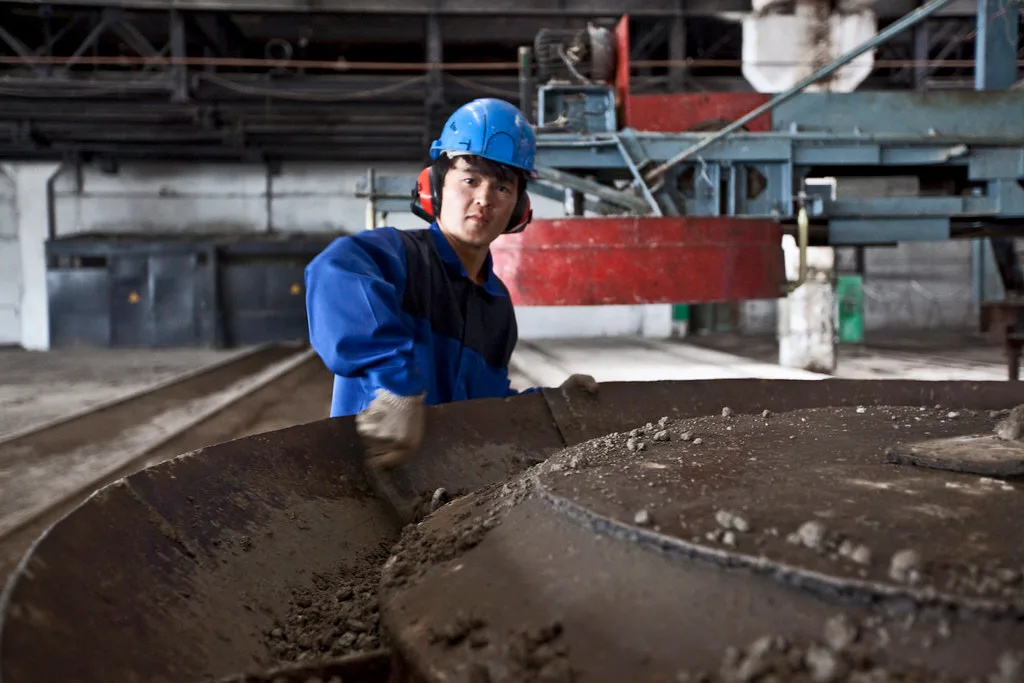
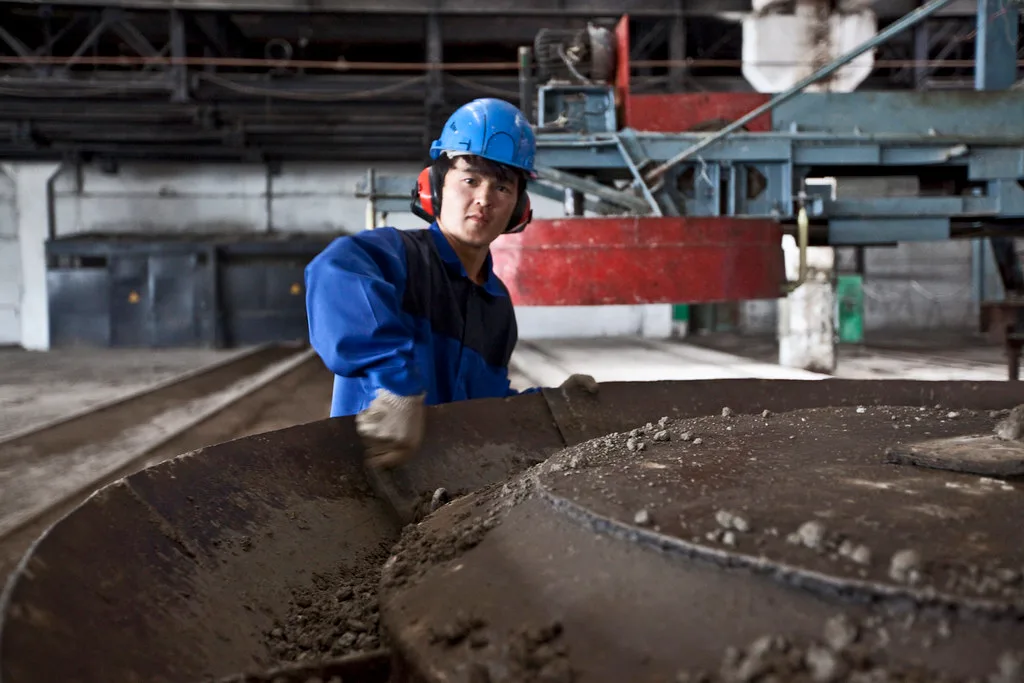
The 2018 tariffs aimed to restore American steel and aluminum production capacity. Domestic producers did see their margins improve. However, direct employment in the American steel industry, around 80,000 people, did not experience a spectacular jump. Gains were limited to a few thousand positions, often in downstream segments such as processing, while user industries (automotive, machinery, construction) bore higher costs.
Steel-consuming sectors employ far more people than the steel industry itself. According to available data, for one job in steel, there are several jobs in the industries that buy steel. In 2018 the Peterson Institute for International Economics estimated that a steel-using sector such as auto parts employed roughly forty times more workers than steelmaking itself.
Harley-Davidson, the iconic American motorcycle manufacturer, announced in 2018 that it would move part of its production to international sites. The European Union had taxed American motorcycles, adding several thousand dollars to each unit. The company preferred to produce outside the United States to serve the European market.
Manufacturers of cans and tin cans, heavy aluminum consumers, saw their costs rise. Some reduced their margins, others raised their selling prices. Employment in metal packaging did not increase; it rather suffered pressure on demand.
The European Union, for its part, reacted as early as July 2018 by introducing provisional safeguard measures, which became definitive in 2019, to prevent steel diverted from the United States from flooding the European market. Turkey, India and other exporters challenged the safeguards at the WTO, and the EU had to adjust its quotas twice.
A modern data center consumes hundreds of tons of steel for structures, cable trays and racks, and aluminum for cooling systems. When the cost of these materials rises, infrastructure budgets are squeezed, which can delay cloud expansion projects. Between 2018 and 2020, several major data center operators reported cost overruns linked to materials, without however publishing consolidated figures.
Substitution, retaliation and automation
New tariff threats loom over imports of semiconductors, batteries and network equipment.
Substitution and circumvention. Global supply chains adapt quickly. Untaxed third countries become re-export hubs. Chinese steel, for example, kept reaching the American market through intermediate processing in countries not subject to the tariffs. Electronic boards follow the same route: assembly in Malaysia or Vietnam can mask the real origin of the components, making customs duties hard to apply.
Targeted retaliation. The European Union responded by taxing emblematic products: motorcycles, bourbon, jeans, orange juice. Canada and Mexico did the same. These measures hit American exporting sectors, often more job-creating than steelmaking. Retaliation can also target digital services or technology equipment, as some proposals have shown.
Structural automation. Steelmaking is one of the sectors where labour productivity rises fastest. A modern steel plant produces more with fewer employees than in 1990. Tariffs can preserve production capacity, but they do not reverse the downward trend in labour intensity. In connected factories, the number of jobs per tonne produced keeps falling, and tariffs can even speed that up by encouraging producers to automate further to maximise margins.
The opportunity cost for downstream firms. Money spent on more expensive steel does not go into R&D, hiring or expansion. For a computer hardware company, aluminium accounts for a significant share of chassis, heat sinks and cases. A 10% rise in the price of aluminium translates into thinner margins or higher final prices, which hurts export competitiveness.
Three scenarios for 2027-2030
Optimistic scenario: tariffs become a transition tool
In this scenario, governments use customs duties as temporary protection, explicitly tied to investment conditions. Steel companies gain extra margins to modernise their plants and decarbonise production. Funds from the tariffs go to worker training and support for downstream industries. The European Union and the United States coordinate their policies through a "carbon border tariff" type mechanism, avoiding a trade war.
What has to happen: binding reinvestment commitments, with a sunset clause after three years and consultation with user sectors. Direct jobs in steel would stay stable, but indirect jobs in construction and digital would be preserved thanks to better price predictability.
Signals to watch: announcements of green steel plants financed by tariffs, agreements on carbon standards, tariff cuts after review.
Pessimistic scenario: protectionist escalation becomes widespread
Here, each major bloc raises its tariffs on metals, then on electronic components. Supply chains fragment. Material costs rise by 15 to 20% for end users. Digital companies delay their data center investments, which slows the rollout of cloud and edge AI. Steel employment stagnates or concentrates in a few regions, while tens of thousands of jobs are lost in downstream industries.
What must happen: no coordination mechanism, exemptions granted case by case, and cross-retaliation on digital services.
Signals to watch: announcements of reciprocal tariffs, rising spot prices for steel and aluminum, postponed infrastructure projects.
Realistic scenario: painful adaptation but no rupture
Tariffs remain in place, but with exemptions and quotas. Companies learn to source differently: advanced stockpiling, supplier diversification, and more recycling. Steel employment stays roughly stable, with no significant net creation. User industries absorb part of the costs, reducing their margins. Digital professionals now systematically factor a "tariff risk" into their hardware tenders.
What must happen: stabilization of the rules of the game, more robust traceability systems, and political acceptance of the moderate cost for consumers.
Signals to watch: duration of exemptions, quota volumes, metal price indices, press releases from major cloud buyers on their infrastructure costs.
| Scenario | Central assumptions | Effect on industrial employment | Effect on digital |
|----------|----------------------|-------------------------------|----------------------|
| Optimistic | Temporary tariffs conditioned on green investment | Stable, with gains in downstream industries | Predictable costs, cloud expansion maintained |
| Pessimistic | Escalation and widespread retaliation | Net loss in downstream sectors, steel stagnation | Delayed investment, higher material costs |
| Realistic | Permanent tariffs with exemptions and quotas | Stability without net creation | Tariff risk management, reduced margins |
Five criteria before backing a tariff
- Demand elasticity. If steel demand is insensitive to price in the short term (because alternatives are rare), the tariff can give producers some breathing room. But if substitutes exist (other materials, untaxed foreign suppliers), the protective effect evaporates quickly.
- The input's share of the final cost. For steel, the share in the cost of a car is moderate, but in metal construction it is high. The higher the share, the more the tariff cost passes through to final prices and reduces users' competitiveness.
- Partners' retaliatory capacity. A tariff on steel affects major exporting countries that will have the means to hit back on other products, including digital services or technology equipment. A tariff on a less strategic input is less likely to trigger escalation.
- The pace of automation in the protected sector. If the sector is already highly automated, as steelmaking is, productivity gains absorb much of the protection. The number of jobs created per additional unit of production is low.
- The time horizon of the protection. Protection with no expiration date encourages rent-seeking rather than investment. A tariff announced for three years, with an annual review, can instead serve as a transition.
On the 2018 steel and aluminum tariffs, the first criterion cuts both ways: short-term elasticity was low, but the input share was moderate for automotive and high for construction, while partner retaliation came fast and automation was already heavy.
A procurement manager in the digital sector can start by checking what proportion of the cost comes from materials likely to be taxed, and what the risk of retaliation on digital services is.
Hardware costs for cloud and edge projects
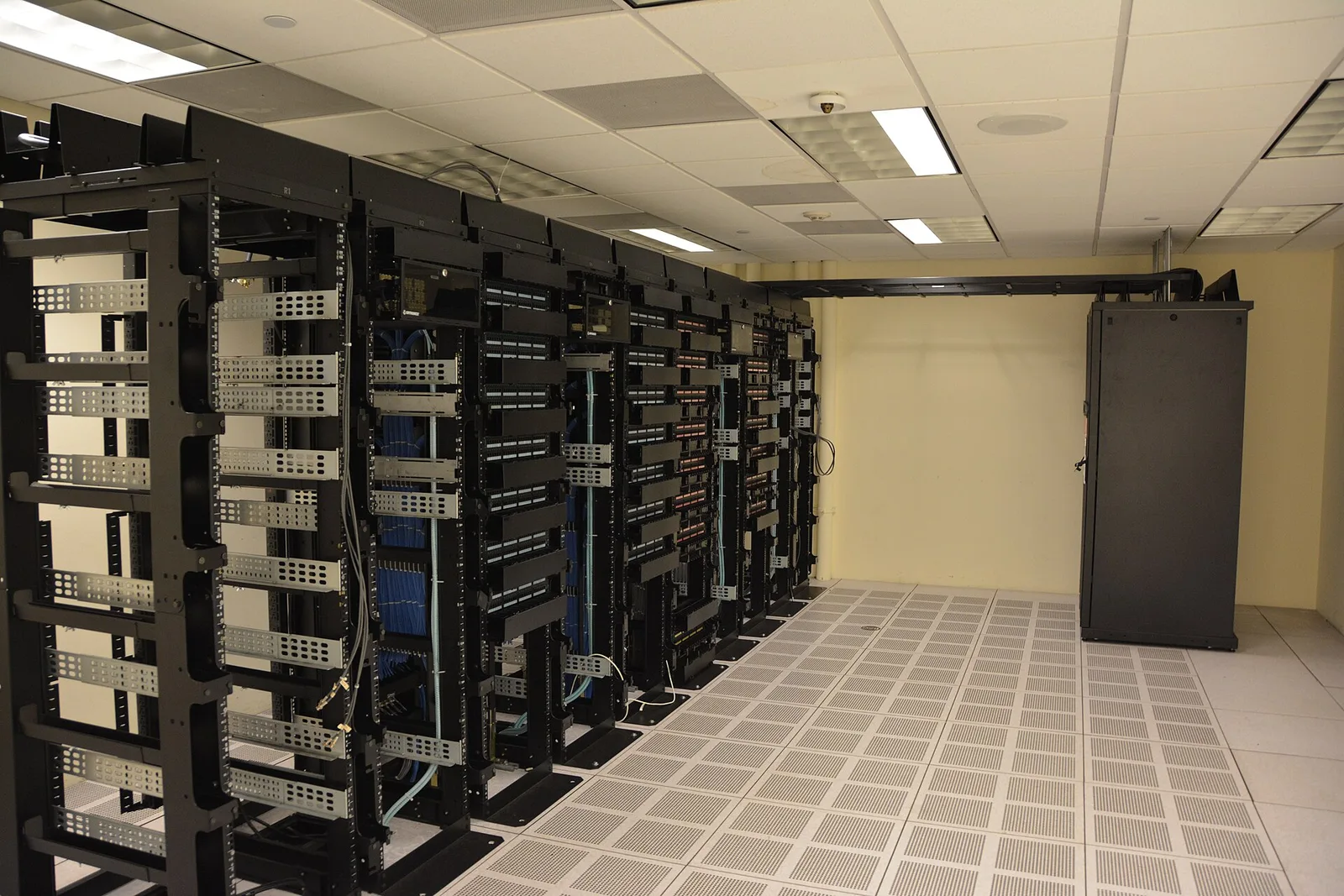
- Data centers consume steel and aluminum. Each MW of installed capacity requires dozens of tons of metal. A lasting price increase changes the profitability of cloud expansion projects, especially in regions where energy is cheap but materials are imported.
- Network hardware and servers contain aluminum. Chassis, heat sinks and rails are often made in Southeast Asia, then assembled in Mexico or Eastern Europe. A tariff on aluminum raises the cost of these pieces of equipment.
- Supplier diversification limits exposure. Companies that secure stocks of semi-finished metals or sign long-term contracts are better protected than those buying at spot prices.
Major cloud providers have started building raw material price variation clauses into their construction contracts. An infrastructure manager now compares total cost of ownership across pricing scenarios, including one with aluminum and steel up 10%.
For a young company developing a hardware product (sensors, IoT gateways, edge equipment), costs rise from the very first prototype order. With no volume to negotiate, it takes the full brunt of metal price increases. Hardware investors are starting to demand tariff mitigation plans before funding a Series A, which was rare before 2018.
The European Commission also offers tools such as Access2Markets, which let you check the customs duties applicable by product and by country.
Further reading
- Tariffs | Access2Markets - Europa: European Commission page explaining the definition and purpose of customs duties.