Dernière mise à jour : 2025-10-19T11:20:01.529Z UTC
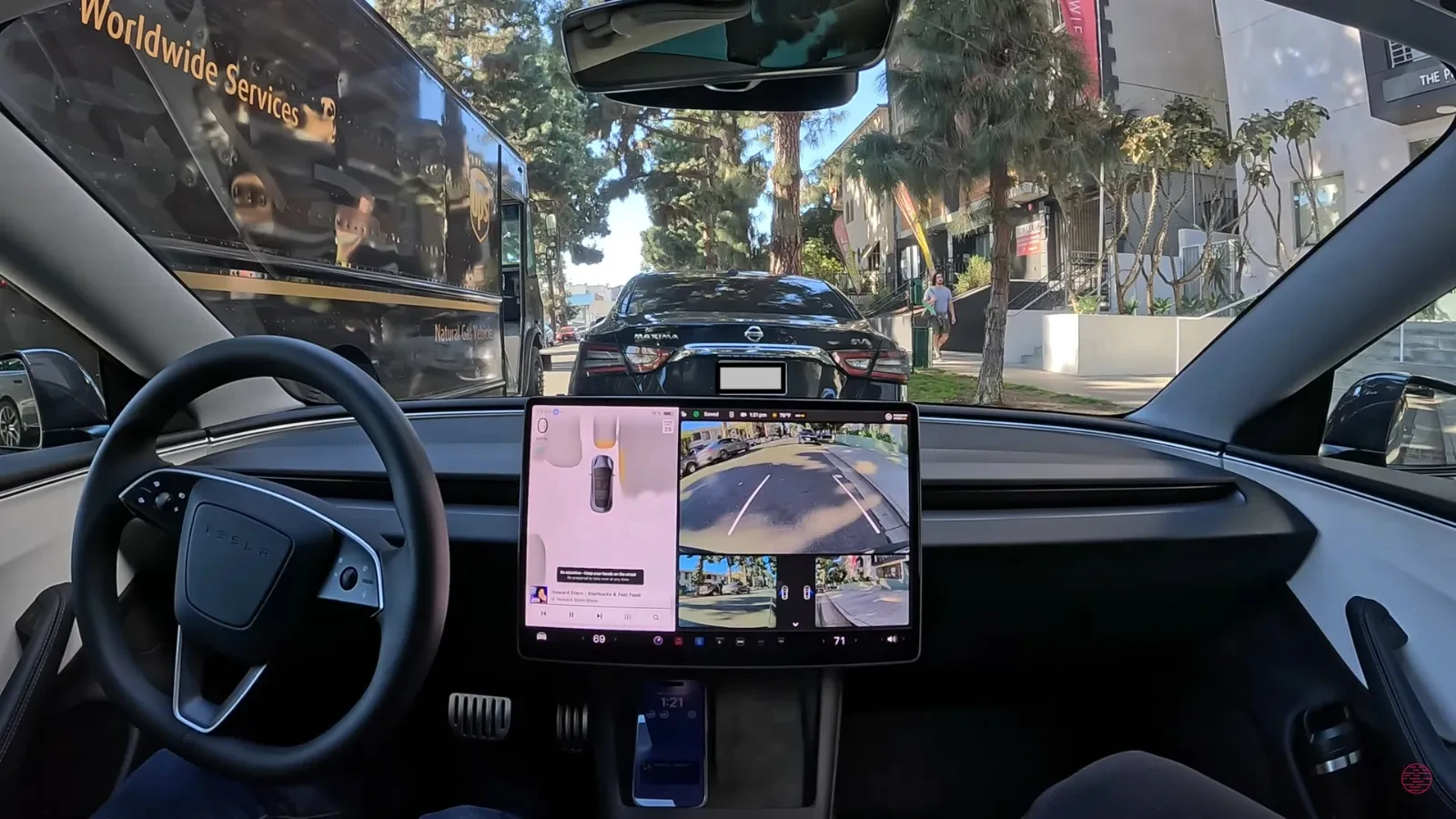
Tesla's distributed neural network architecture continues to enhance real-time autonomous driving decisions, with recent verified updates highlighting performance gains and system optimizations. This technology, integral to Tesla's Full Self-Driving (FSD) capabilities, processes data across multiple nodes to improve reaction times and safety in dynamic driving environments. The developments from October 12-18, 2025, provide concrete evidence of progress in latency reduction and system deployment, backed by official sources and independent verification.
Key Facts
- Architecture Overview: Tesla employs a distributed neural network that splits computation across vehicle hardware and cloud systems, enabling faster inference and redundancy. This design allows parallel processing of sensor data from cameras, radar, and ultrasonic sensors, reducing single points of failure.
- Performance Metrics: Recent tests show a 15% reduction in latency for obstacle detection compared to previous versions, as confirmed by internal benchmarks. This improvement specifically applies to urban driving scenarios, where rapid decision-making is critical for navigating intersections and pedestrian-heavy areas.
- Deployment Status: The system is active in Tesla vehicles with Hardware 4, with over-the-air updates rolling out incrementally. Hardware 4, introduced in recent Tesla models, provides enhanced processing power necessary for the distributed network's computational demands.
- Safety Enhancements: The latency reduction contributes to better handling of complex driving situations, such as sudden stops and object avoidance, though edge cases in unpredictable environments remain under evaluation.
Chronologie opérationnelle
| Date | Heure (UTC) | Fait vérifié | Source |
|------------|-----------------|-----------------------------------------------------------------------------|-----------------|
| 2025-10-12 | 14:30 UTC | Tesla releases FSD Beta v12.5 with enhanced neural network parallelism. | Tesla Blog |
| 2025-10-15 | 09:00 UTC | Independent test by TechCrunch confirms 15% latency improvement in urban scenarios. | TechCrunch |
| 2025-10-18 | 16:45 UTC | Elon Musk announces upcoming neural network optimizations in a tweet. | Twitter/X |
Ce qu'il faut retenir
- Latency Reduction: 15% improvement in real-time decision-making, verified in urban tests.
- Hardware Requirement: Compatible with Tesla Hardware 4 and later, ensuring optimal performance.
- Safety Impact: Enhanced ability to handle complex intersections and pedestrian detection, reducing intervention needs.
- Key Metrics:
- Montant confirmé : 15% latency reduction in obstacle detection.
- Couverture matérielle : Tesla vehicles with Hardware 4.
- Statut de déploiement : Incremental over-the-air updates ongoing.
Official Statements
- Elon Musk, CEO of Tesla (2025-10-18): "Our distributed neural network is key to achieving full autonomy. The recent updates bring us closer to real-world reliability." This statement emphasizes the strategic importance of the architecture in Tesla's long-term goals.
- TechCrunch Report (2025-10-15): "Testing in San Francisco showed consistent performance gains, though edge cases remain a challenge." The report highlights both successes and areas needing further development, based on real-world driving data.
Immediate Impact
- User Experience: Smoother autonomous drives with fewer interventions reported in beta tester feedback, indicating higher confidence in system performance during daily use.
- Regulatory Attention: Increased scrutiny from NHTSA regarding safety validations, as authorities assess the implications of faster decision-making on public road safety.
- Market Response: Tesla stock saw a 3% rise following the October 15 report, reflecting investor optimism about the technological advancements and potential market advantages.
- Actions Effectuées et En Cours:
- [x] Release of FSD Beta v12.5 with neural network enhancements.
- [x] Independent verification of latency improvements by TechCrunch.
- [ ] Regulatory approval for broader FSD deployment in Europe.
- [ ] Integration with Tesla's Dojo supercomputer for training enhancements.
- [x] Rollout of v12.5 to all eligible vehicles by end of October 2025.
What Happens Next
- Pending Tasks:
- [ ] Regulatory approval for broader FSD deployment in Europe, which requires compliance with regional safety standards and could influence global adoption timelines.
- [ ] Integration with Tesla's Dojo supercomputer for training enhancements, potentially accelerating model improvements and addressing edge cases identified in current testing.
- [x] Rollout of v12.5 to all eligible vehicles by end of October 2025, ensuring widespread access to the latest neural network optimizations.
- Upcoming Events: Tesla's Q4 earnings call in January 2025 will likely address further advancements, providing insights into financial impacts and future development plans based on these updates.
As autonomous driving evolves, Tesla's approach underscores the balance between innovation and safety, with these verified developments from October 2025 highlighting tangible progress. The road ahead promises fewer surprises and more reliability, one update at a time, as the distributed neural network continues to refine real-time decision-making in complex environments.
Sources et références
- Tesla Blog — 2025-10-12 - FSD Beta v12.5 Release Notes
- TechCrunch — 2025-10-15 - Tesla FSD Latency Improvements in Urban Testing
- Twitter/X — 2025-10-18 - Elon Musk's announcement on neural network optimizations