
Imagine your smartwatch detects a cardiac arrhythmia. This valuable data, which you believe is confidential, can be sold to insurers without your explicit consent. This concerning reality reveals a modern paradox: devices designed to improve our health threaten our privacy.

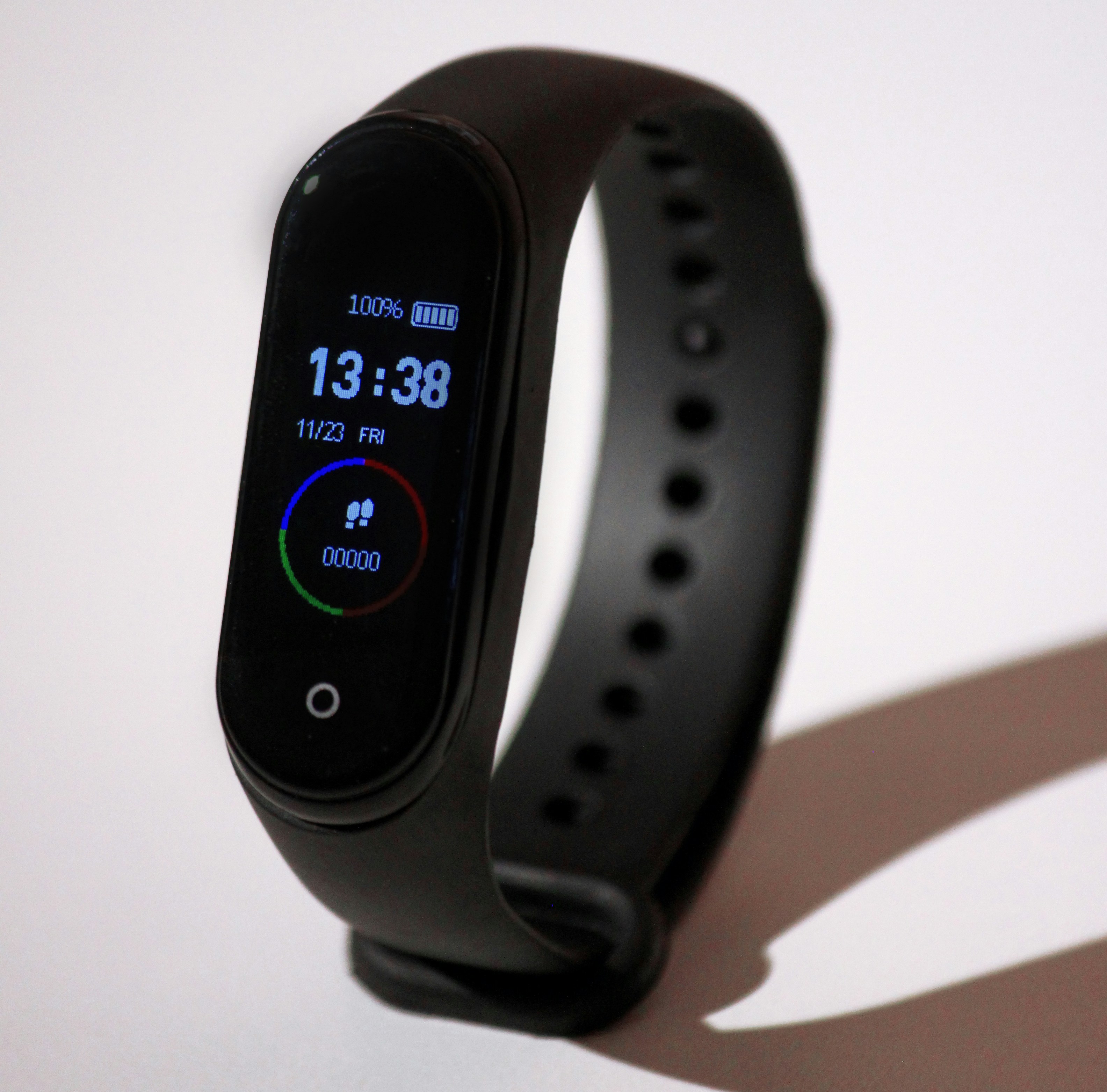
Fitness wearables have invaded our daily lives, promising real-time health monitoring. Yet, behind these appealing innovations lies an alarming regulatory gap. Unlike traditional medical records, your fitness data does not benefit from fundamental legal protections. This article explores how companies exploit this legal loophole and what it means for your privacy.
The HIPAA Protection Myth
The HIPAA (Health Insurance Portability and Accountability Act) law rigorously protects medical information in the United States. But here's the shocking reality: your wearable data is not subject to it. As Auditpeak explains, wearable companies can legally share your health data with third parties without violating HIPAA. This exclusion creates a gaping hole in consumer protection.
What companies can do with your data:
- Share your information with advertisers and commercial partners
- Sell aggregated data to researchers or insurers
- Use your health metrics to personalize advertisements
- Retain your data indefinitely without deletion obligations
The Fragility of Small Companies
The risk is not limited to commercial exploitation. According to CNBC, startups in the fitness-tracker sector present an additional danger: bankruptcy. "A small company can simply go bankrupt," notes Roundy in the article. When a company disappears, what happens to your sensitive medical data? It can be liquidated with other assets, falling into unpredictable hands.
This instability contrasts with the traditional medical sector, where record retention and destruction follow strict protocols. Wearables thus create an ecosystem where your most personal information becomes negotiable commodities.
Regulatory Ambiguity Highlighted
The Federal Trade Commission (FTC) attempts to fill this gap with its Health Breach Notification Rule. As detailed in the FTC guide, this rule requires companies to notify consumers in case of health data breaches. However, this protection comes after the fact - once your information is already compromised.
Comparison of regulatory frameworks:
| Aspect | United States | European Union |
|------------|----------------|---------------------|
| Consent | Implicit in Terms of Service | Explicit required (GDPR) |
| Right to be forgotten | Limited | Guaranteed by law |
| Penalties | Varies by state | Up to 4% of revenue |
| Notification | Mandatory after breach | Proactive prevention required |
The American regulatory landscape remains fragmented. Unlike the European GDPR which imposes explicit consents and deletion rights, the United States lacks a comprehensive federal privacy law. The New York Times Wirecutter highlights this disparity after testing 51 fitness trackers.
Growing Consumer Concern
Users are beginning to recognize the risks. A discussion on Reddit r/privacy reveals growing demand for trackers "that don't steal your data." Consumers are seeking privacy-respecting alternatives, willing to sacrifice some features to maintain control of their information.

This awareness fits into a broader context. The Pew Research Center finds that Americans are "concerned, confused, and feel a lack of control over their personal information." This collective anxiety could ultimately push toward stricter regulation.
Concrete Risks for Your Daily Life
Problematic usage scenarios of your data:
- An insurer discovers your sleep habits and adjusts your premiums
- Marketers target your health weaknesses with personalized advertisements
- Your data is resold during a corporate merger without your agreement
- Potential employers access your fitness metrics
What This Means for You
Immediate consequences:
- Your sleep, heart rate, and physical activity data can be monetized without your explicit consent
- Insurers could use this information to adjust your premiums
- Your health weaknesses could be used for predictive marketing targeting
- In case of merger or acquisition, your data changes hands without your agreement
Concrete actions to take:
- Read privacy policies before buying a wearable
- Disable data sharing with third parties in settings
- Consider privacy-focused brands as mentioned on Reddit
- Regularly delete your historical data from applications
- Use anonymous accounts when possible
Toward a More Transparent Future?
Regulatory pressure is intensifying. Tealium notes that the increase in connected health devices comes with growing consumer concerns. This awareness could lead to stricter standards, similar to those already protecting financial data.
The Missouri Bar Association emphasizes that the advent of health monitoring tools has inaugurated "a new era of consumer healthcare that presents enormous potential." But this potential can only be fully realized with restored trust between consumers and companies.


Conclusion: The Imperative of Transparency
The fitness wearables revolution places us at a critical crossroads. On one side, the promise of better understood and more proactive health. On the other, the risk of seeing our most intimate data become bargaining chips. The solution lies in a delicate balance between innovation and protection, where transparency will become the new norm expected by informed consumers.
To Go Further
- CNBC - The main risks of fitness trackers for health
- FTC - Guide on the health breach notification rule
- Pew Research - Study on Americans' privacy concerns
- Tealium - The increase in health data concerns
- Auditpeak - Why your wearables are not protected by HIPAA
- Reddit - Discussion on privacy-respecting trackers
- Missouri Bar Association - Legal analysis on privacy and wearables
- New York Times Wirecutter - State of privacy laws in the United States