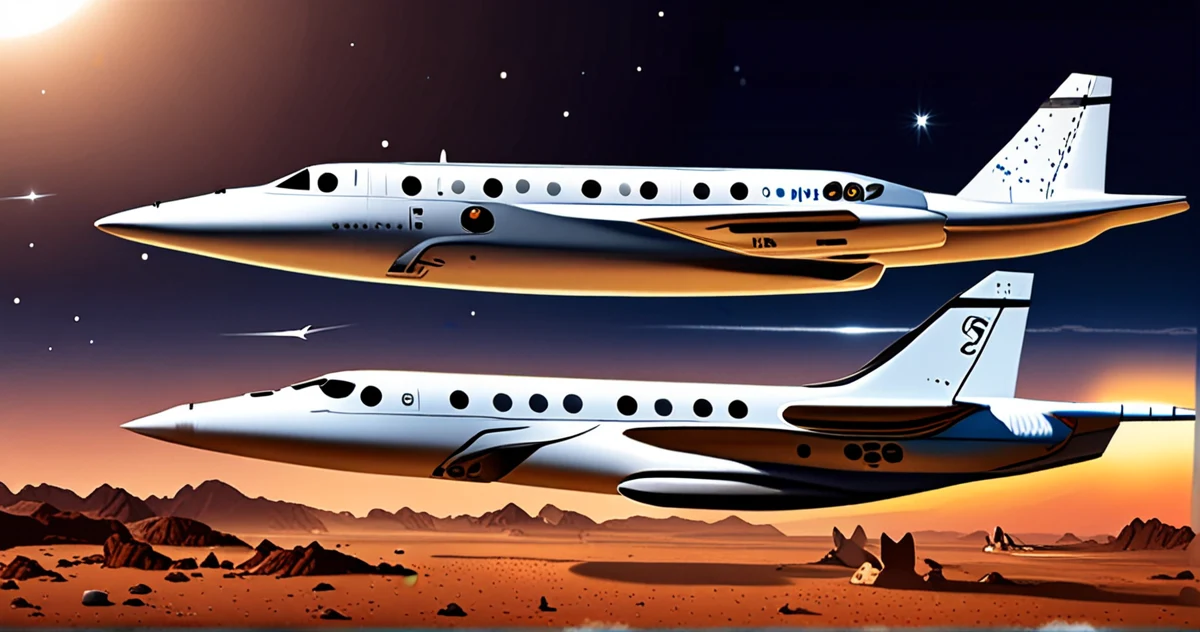
As space tourism gains popularity, launch approaches diverge radically. Virgin Galactic relies on an air-launched system with SpaceShipTwo, while traditional players favor reusable rockets from the ground. This divergence raises crucial questions about commercial viability, environmental impact, and the future of space access. In this article, we explore the advantages and disadvantages of each method, drawing on verified sources to inform decision-makers in the digital and aerospace sectors.
Fundamental Differences Between Launch Systems
Virgin Galactic's Air-Launched System
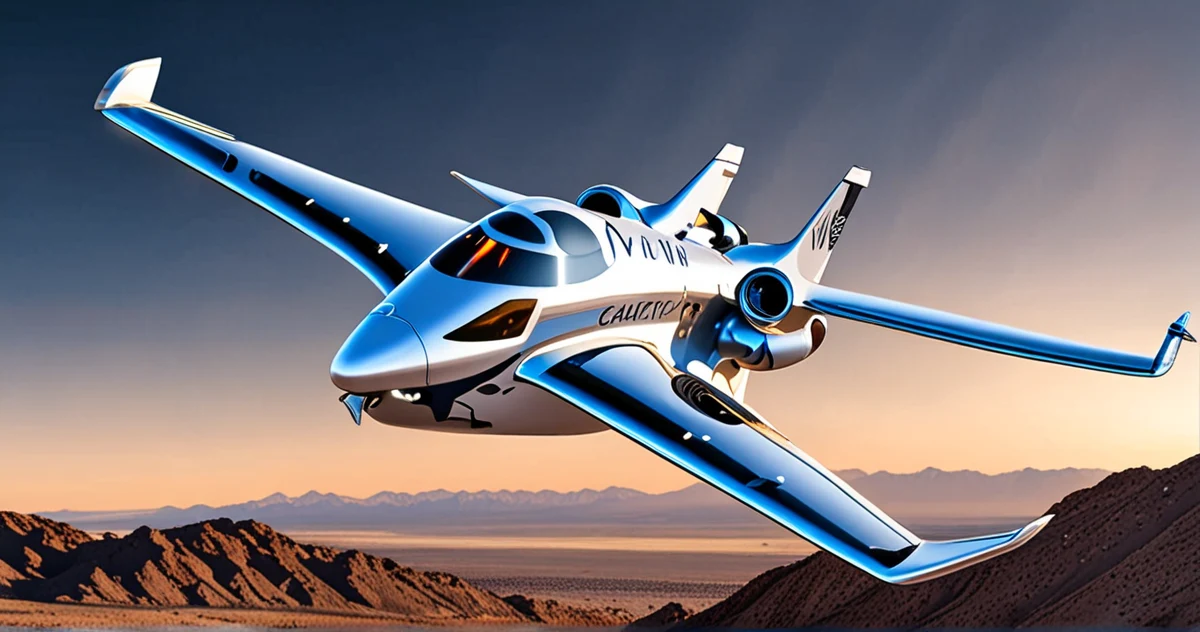
Virgin Galactic's system relies on a carrier aircraft, WhiteKnightTwo, which carries SpaceShipTwo to high altitude before its suborbital launch. This method avoids the constraints of ground launches, such as weather uncertainties and the need for heavy infrastructure.
Key advantages of the air-launched system:
- Launch site flexibility
- Reduced ground infrastructure
- Fewer weather constraints
- Simplified access to suborbital space
- Potentially reduced operational costs
Traditional Rockets
In contrast, traditional rockets, such as those developed by SpaceX with reusable components, launch vertically from fixed launch pads. According to an analysis by Selenian Boondocks, rocket staging is fundamental due to the physics of powered flight, which explains why traditional approaches optimize thrust to reach orbit, while the air-launched system targets shorter suborbital flights.
Characteristics of traditional rockets:
- Orbital and suborbital capability
- Full component reusability
- Extensive ground infrastructure
- Thrust optimized for orbital access
- Potential for multiple missions
Comparative Table of Key Characteristics
| Aspect | Air-launched system (Virgin Galactic) | Traditional rockets |
|------------|------------------------------------------|----------------------------|
| Launch point | High altitude (via carrier aircraft) | Ground (fixed launch pad) |
| Flight type | Suborbital (e.g., SpaceShipTwo) | Orbital or suborbital |
| Reusability | Partial (aircraft and spacecraft) | Complete (e.g., boosters) |
| Complexity | Less ground infrastructure | Requires extensive facilities |
| Flexibility | High | Limited |
| Capacity | Suborbital only | Orbital and suborbital |
| Initial cost | Reduced investment | Costly infrastructure |
| Commercial potential | Limited space tourism | Multiple applications |
This table illustrates how Virgin Galactic capitalizes on flexibility, while traditional rockets focus on power and reusability on a larger scale, as noted by Global Aerospace regarding cost reduction through reusable components.
Compared Economic Advantages
Traditional Rockets: Economies of Scale
Economically, traditional reusable rockets offer reduced costs per launch, as component reuse limits resource expenditures. Global Aerospace emphasizes that this reduces environmental impact by requiring fewer materials per mission.
Key economic advantages of traditional rockets:
- Complete booster reusability
- Significant economies of scale
- Potential for orbital and suborbital revenue
- Long-term cost reduction
- Diversification of commercial applications
Air-Launched System: Flexibility and Initial Costs
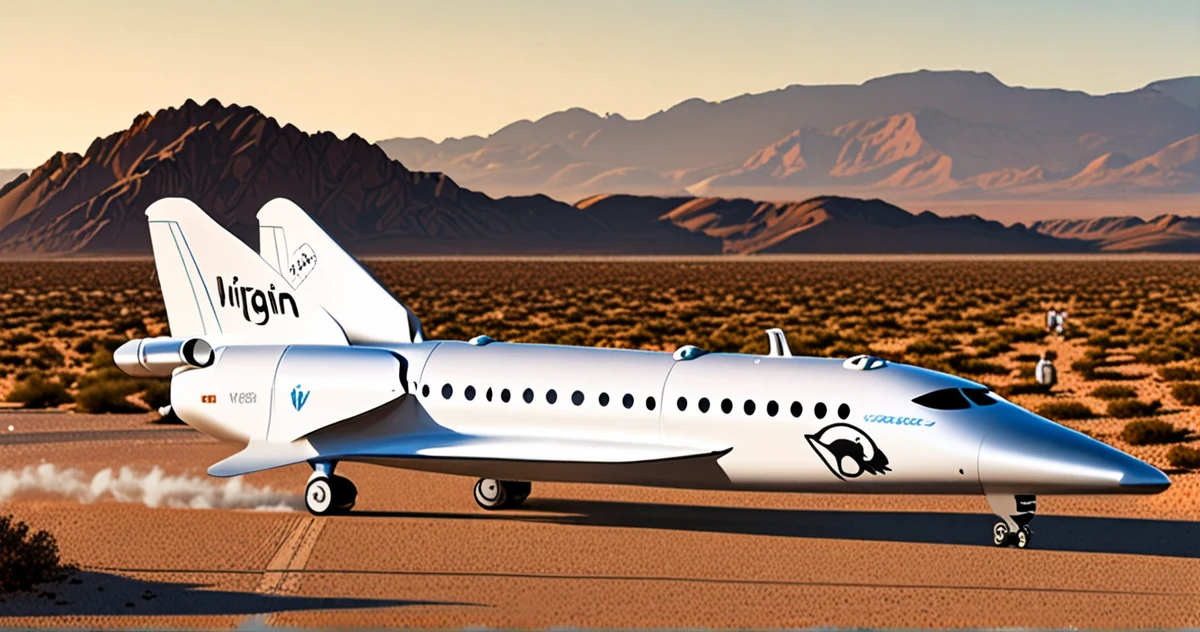
In contrast, Virgin Galactic's air-launched system could reduce initial costs by avoiding expensive infrastructure, but its application is limited to suborbital space tourism, which restricts its revenue potential compared to orbital launches.
Economic advantages of the air-launched system:
- Reduced initial investment
- Minimal infrastructure required
- Operational flexibility
- Potentially lower operating costs
- Shorter implementation timelines
Environmental Impact and Sustainability
Traditional Rockets
Reusability reduces waste, although chemical propellants, as mentioned by NASA in the context of propulsion systems, have lower specific impulse than other technologies, which can increase fuel consumption.
Environmental considerations for rockets:
- Waste reduction through reusability
- High fuel consumption
- Emissions at launch
- Management of reusable components
- Noise impact on the environment
Air-Launched System
Fewer emissions at launch due to altitude, but suborbital flights still generate potential orbital debris, a problem addressed by NASA regarding space pollution.
Essential environmental points:
- Reduced launch emissions
- Variable fuel consumption depending on technology
- Space debris management crucial for both approaches
- Overall environmental impact to be assessed
- Considerations on atmospheric pollution
Regulatory Framework and Commercial Viability
Regulation of Traditional Rockets
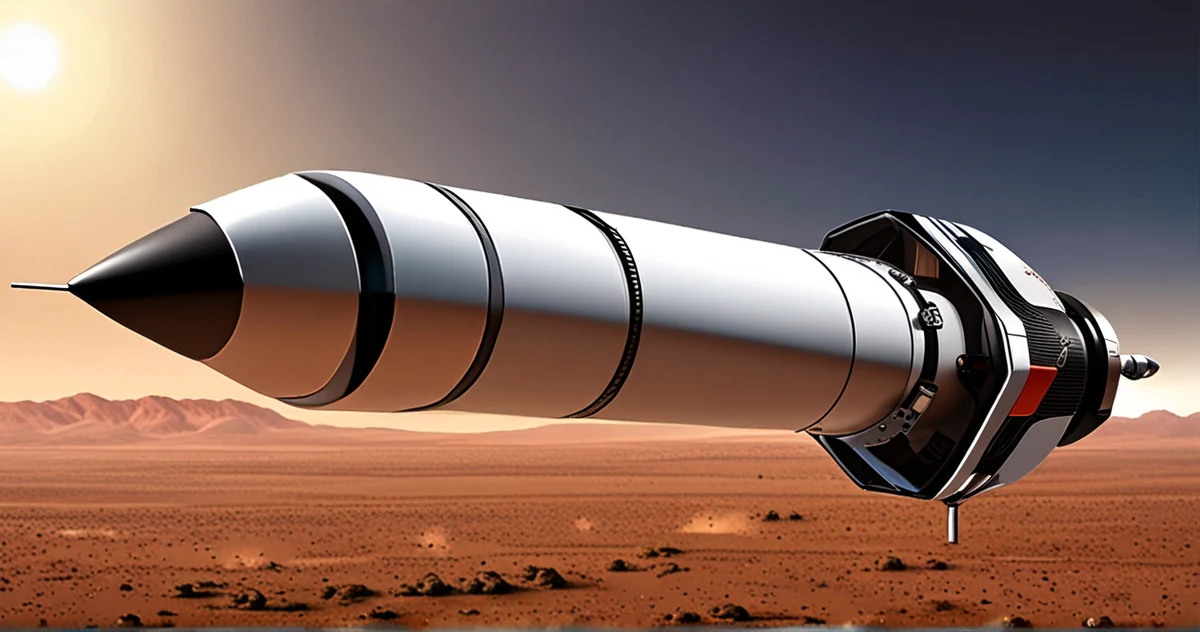
Regulation, as discussed in FAA documents on launch and reentry license requirements, plays a key role. For traditional rockets, quantitative safety rules and risk controls are well-established but can lead to additional delays and costs.
Regulatory aspects of rockets:
- Established safety procedures
- Detailed license requirements
- Quantitative risk controls
- Potential approval delays
- Strict international standards
Regulatory Advantages of the Air-Launched System
Virgin Galactic, with its air-launched approach, could benefit from simplified procedures, as launching from an aircraft reduces certain dangers related to populated areas. However, the absence of specific regulations for hybrid systems like this could create uncertainties, affecting investment predictability.
Concrete example: Virgin Galactic's suborbital missions, such as the one announced with the Italian Air Force (mentioned on Reddit), demonstrate how partnerships can bypass regulatory obstacles but raise questions about balancing innovation and safety.
Technical and Safety Challenges
Challenges of Traditional Rockets
Technically, traditional rockets must manage high thrust and component recovery, requiring advances in propulsion, as noted by NASA for impulsive maneuvers.
Technical challenges of rockets:
- Management of high thrust
- Component recovery
- Reliability of reusable systems
- Maintenance and inspection
- Rigorous quality control
Challenges of the Air-Launched System
Air-launched systems, on the other hand, face unique challenges, such as in-flight separation between the carrier aircraft and the spacecraft, an increased complexity that could raise the risk of incidents.
Major safety challenges:
- Safety: For Virgin Galactic, risk controls must adapt to dynamic environments
- Reliability: Traditional rocket reusability has proven itself, but the air-launched system is still in the validation phase
- Space debris: The issue of orbital debris applies to both approaches
- In-flight separation: Increased technical complexity
- Crew training: Specific requirements for each system
Future Prospects and Commercial Viability
Potential of Space Tourism
Virgin Galactic's air-launched system offers flexibility and accessibility for suborbital space tourism, but its commercial viability is limited by restricted applications and technical challenges.
Factors influencing commercial viability:
- Market demand for space tourism
- Comparative operating costs
- Technological developments
- Regulatory framework
- Price competitiveness
Advantage of Reusable Rockets
Traditional rockets, with their reusability and orbital capability, present superior economic potential, as confirmed by current trends.
Determining factors for the future:
- Balance between costs and safety
- Continuous innovation in both approaches
- Potential collaboration between systems
- Evolution of space regulation
- Development of propulsion technologies
- Growth of the commercial space market
Conclusion: What Future for These Technologies?
In summary, Virgin Galactic's air-launched system offers flexibility and accessibility for suborbital tourism, but its commercial viability is limited by restricted applications and technical challenges. Traditional rockets, with their reusability and orbital capability, present superior economic potential, as confirmed by current trends.
Key points to remember:
- Both approaches have distinct advantages
- Space regulation is evolving with technologies
- Environmental impact remains a major concern
- Future collaboration could combine the best aspects
- Space tourism represents a growing market
- Reusable rockets currently dominate the commercial market
As the industry evolves, collaboration between these approaches could emerge, for example by integrating air-launched elements for more efficient launches. In a world where sustainability and innovation are paramount, the answer will depend on our ability to balance costs, safety, and environmental impact, drawing inspiration from progress on both sides.
To Go Further
- Global Aerospace - Article on how reusable rockets are transforming spaceflight
- Reddit - Discussion on opinions regarding space tourism
- NASA - Information on space debris and deorbit systems
- Quora - Questions and answers about NASA's perception of Virgin Galactic
- NASA - Details on in-space propulsion systems
- Government regulations - Licensing requirements for launches and reentries
- Selenian Boondocks - Analysis of orbital access methodologies, including air-launched systems