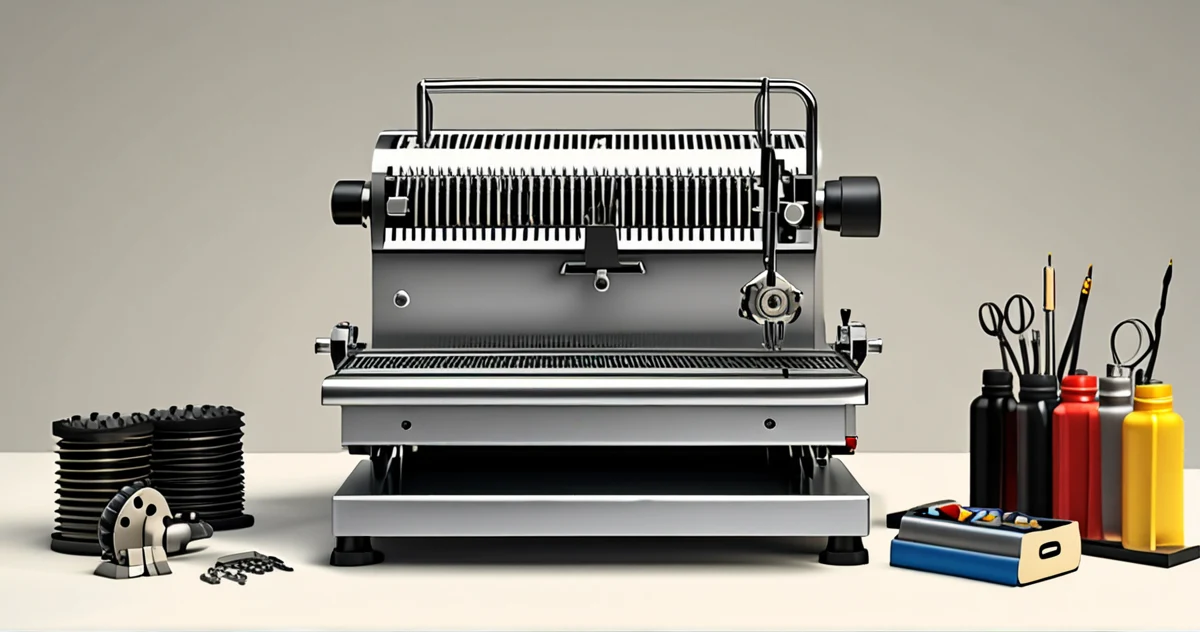
In a world obsessed with efficiency and productivity, the deliberate creation of objects with no apparent utility may seem counterintuitive. Yet, useless machines are experiencing renewed interest, not for their functionality, but for their ability to question our technological dependency. According to a New York Times article, these "aggressively useless" gadgets confront us with the absurdity of certain modern automatisms. This article guides you step by step in designing your own useless machine, exploring its philosophical and practical dimensions.
Why Create a Useless Machine?
Why devote time and resources to creating a deliberately pointless object? Beyond the playful aspect, these constructions invite us to deeply reflect on the notion of usefulness in our hyperconnected lives. As Vaclav Havel points out in "The Power of the Powerless," analyzed by Bruce Sterling, ideological systems affect us at every step, often subtly. The useless machine then becomes an act of symbolic resistance against the frantic pursuit of productivity.
Unexpected benefits:
- Critical thinking exercise about our relationship with technology
- Creative expression free from utilitarian constraints
- Philosophical reflection on the notion of usefulness
- Manual satisfaction of craft work
The Philosophical Foundations of Deliberate Uselessness
The useless machine is not just a simple toy; it embodies an active critique of consumer society and omnipresent technology. In his essay, Vaclav Havel explores how individuals can resist oppressive systems by adopting seemingly insignificant but meaningful behaviors.
The Symbolic Dimension
Similarly, building a machine whose only purpose is to turn itself off when activated amounts to questioning the instrumental logic that dominates our relationship with technical objects. This approach aligns with some of Bruce Sterling's observations on Havel's thinking, where simple gestures can have strong symbolic significance.
Enlightening comparison: Imagine an employee who leaves their office at exactly 6:00 PM, refusing to glorify unpaid overtime. On Quora, a CEO questioned this type of behavior, considering it insufficiently committed. Yet, this set boundary reminds us that an individual's value is not measured by their constant availability. In the same way, a useless machine establishes a clear boundary: its only function is to have none, inviting us to reconsider what we truly expect from technology.
Practical Guide: Building Your First Useless Machine
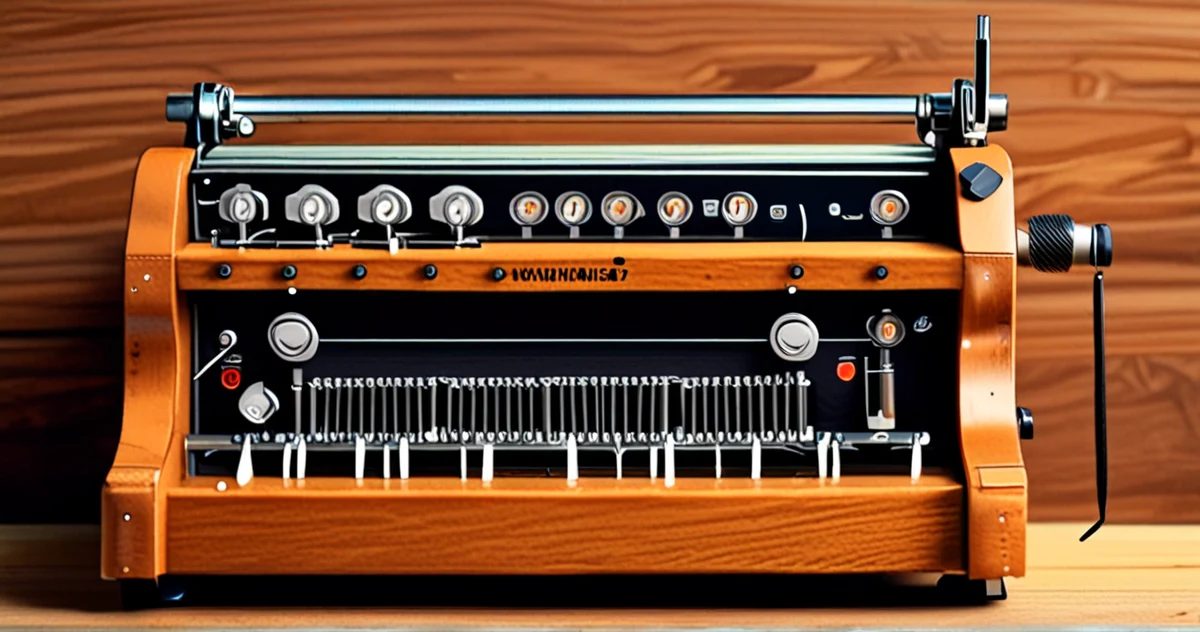
The most basic useless machines typically consist of a case containing a switch and a mechanism that, when activated, turns off said switch. According to Instructables, the case should be large enough to accommodate a battery and a servo motor.
Required Materials
Here is a complete list of typical components, based on available tutorials:
- Case: A wooden or plastic box, appropriately sized (reference: Instructables recommends cigar humidor boxes for a refined look)
- Switch: A classic toggle switch, easily operable
- Servo motor: To operate the shutdown mechanism
- Battery: A battery or battery pack to power the servo motor
- Wires and soldering: To connect the elements
- Microcontroller (optional): Arduino or equivalent for programmable versions
Detailed Assembly Steps

Step 1: Prepare the case
- Drill a hole for the switch on the top of the case
- Ensure the servo motor and battery fit inside
- Check accessibility for future adjustments
Step 2: Mount the switch
- Fix the switch in the prepared hole
- Connect it to the power circuit
- Test its operation before proceeding
Step 3: Install the servo motor
- Position the servo motor so it can reach and operate the switch
- Use a small piece (like a plastic or metal "finger") attached to the servo motor
- Check the alignment and range of motion
Step 4: Wiring and connections
- Connect the battery to the servo motor and switch
- Follow a simple diagram: the switch activates the servo motor which, in turn, turns off the switch
- Check all soldering to avoid short circuits
Step 5: Programming (advanced version)
- If using a microcontroller like Arduino, program it so the servo motor activates as soon as the switch is engaged
- Add a movement to turn off the switch, then a reset
- Tutorials on Instructables detail this coding, sometimes inspired by projects like the "Useless Box"
Customization Options Table
| Element | Basic Option | Advanced Option |
|-------------|---------------------|---------------------|
| Case | Simple cardboard or plastic box | Noble wooden box like cigar humidor |
| Mechanism | Standard servo motor operating a lever | Stepper motor with complex movement |
| Program | Simple switch shutdown | Absurd sequences (e.g., sounds, delays) |
| Design | Raw finish, visible components | Clean design, hiding technology |
Customization and Creative Variations
Design and Aesthetics
The important thing is that the design reflects the absurdity of the function – or rather the absence of function. You can choose:

- Minimalist design: Sober case, visible mechanism
- Humorous design: Anthropomorphic shapes, decorative elements
- Luxury design: Noble woods, refined finishes
- Conceptual design: Abstract shapes, unusual materials
Functional Variations
Beyond the classic version, explore these alternatives:
- Sequence machine: Performs several actions before shutting down
- Interactive machine: Reacts differently depending on time or context
- Collaborative machine: Requires intervention from several people
- Evolving machine: Its behavior changes over time
Advanced Techniques for Useless Machines
Arduino Programming for Absurd Behaviors
For those who wish to go beyond the basic mechanism, adding a microcontroller opens up infinite creative possibilities. Here are some programming ideas:
- Random delays: The machine waits a variable time before reacting
- Complex sequences: Multiple movements before final shutdown
- Sound interactions: Addition of beeps or audio messages
- Additional sensors: Reaction to light, movement, or sound
Materials and Professional Finishes
To transform your DIY project into a true design object:
- Precious woods: Walnut, ebony, or exotic woods
- Noble metals: Brass, copper, or brushed aluminum
- Special finishes: Varnish, waxes, or patinas
- Artisanal details: Engravings, custom markings
Beyond the Gadget: Cultural and Technological Implications
Critique of Complex Systems
The proliferation of useless machines also questions our relationship with connected objects and operating systems. For example, in Windows 11, many users seek to disable features deemed superfluous or intrusive, as noted by Dedoimedo in his guide to making the system more usable.
This quest for simplicity aligns with the spirit of the useless machine: eliminating the superfluous to focus on the essential, or in this case, on the absence of essential.
DIY and Creative Autonomy
In the field of DIY creation, tools like Cricut machines are sometimes criticized for their complexity or limitations, as reported in a Reddit thread where users debate their actual usefulness. Building a useless machine with one's own hands then becomes a way to reaffirm creative control, far from imposed software or hardware constraints.
Troubleshooting Common Problems
Technical Troubleshooting
- Imprecise movement: Check servo motor alignment
- Faulty circuit: Check all connections and soldering
- Weak battery: Check voltage and replace if necessary
- Erroneous programming: Test code step by step
Design Optimization
- Insufficient space: Choose a slightly larger case
- Noisy mechanism: Add vibration dampers or felt
- Unengaging design: Customize with paint or stickers

Conclusion: The Useless as an Act of Freedom
Building a useless machine is not a waste of time; it is an exercise in critical thinking and creativity. By following guides like those on Instructables, you materialize a reflection on technology, usefulness, and autonomy.
Key points to remember:
- Accessible project: Requires few advanced technical skills
- Philosophical dimension: Questions our relationship with usefulness
- Personal expression: Each machine is unique
- Creative satisfaction: Pleasure of creating without utilitarian pressure
Whether you choose a sober or extravagant design, the important thing is to question, through action, the place we give to efficiency in our lives. And if, ultimately, this so-called vain machine helps us regain some lightness in the face of digital imperatives? Perhaps now is the time to start – not to produce, but to create the useless, and thus reclaim your relationship with the technological world.
To Go Further
- New York Times - Article about useless machines and their philosophical dimension
- Bruce Sterling - Analysis of the essay "The Power of the Powerless" by Vaclav Havel
- Instructables - Tutorial to build a useless machine
- Instructables - Angry octopus project, creative variant
- Dedoimedo - Guide to optimize Windows 11 and remove useless features
- Reddit - Discussion about the perceived usefulness of cutting machines
- Quora - Question about employee engagement and working hours
- Reddit - Guide to remove unnecessary applications on Windows