
Introduction

In an ever-evolving digital landscape, microblogging platforms represent a major challenge for developers and digital professionals. While Twitter (now X) has long dominated the space with its centralized model, alternatives like Bluesky and Mastodon are emerging with promising decentralized approaches.
For a developer, understanding these architectural differences is not just a matter of technical curiosity; it's a strategic imperative that influences development choices, application scalability, and future interoperability.
The Centralized Architecture of Twitter: The Traditional Model
Twitter represents the archetype of a centralized platform. As highlighted in Howtogeek's analysis, "X is a classic centralized social platform." This centralization means that all servers, data, and moderation rules are controlled by a single entity.
Advantages for developers:
- Single, well-documented API
- Consistent moderation rules
- Unified technical ecosystem
- Infrastructure managed by the platform
Significant limitations:
- Total dependence on Twitter's decisions
- Unpredictable API changes
- Modifications to terms of service
- Systemic risk for third-party applications
Mastodon: Federation as a Philosophy
Mastodon adopts a radically different approach with its federated model. As Postiz explains, "you might find discussions comparing Mastodon's federated servers to Bluesky's more centralized approach." Mastodon uses the ActivityPub protocol, allowing thousands of independent instances to communicate with each other while maintaining their autonomy.
Key technical characteristics:
- Standardized ActivityPub protocol
- Independent and autonomous instances
- Decentralized moderation by instance
- Inter-instance communication
Unique technical challenges:
- Management of "defederation" between instances
- Compatibility between different instances
- Infrastructure to manage for autonomous instances
- Complexity of the federated ecosystem
Bluesky: New Approach to Decentralization
Bluesky offers a third way with its AT Protocol (Authenticated Transfer Protocol). As described by Wikipedia, "Bluesky is an American microblogging social media service." Its particularity lies in its approach to decentralization that differs from both Twitter's centralization and Mastodon's federation.
Distinctive technical features:
- AT Protocol for decentralization
- Portable identity between services
- Hybrid centralization/decentralization approach
- Progressive evolution toward decentralization
Comparative Table of Architectures
| Platform | Architecture Type | Main Protocol | Moderation Control | Technical Complexity |
|------------|---------------------|---------------------|---------------------------|---------------------|
| Twitter/X | Centralized | Proprietary API | Centralized | Low |
| Mastodon | Federated | ActivityPub | Decentralized by instance | High |
| Bluesky | Decentralized | AT Protocol | Mixed (evolving) | Medium |
Practical Implications for Developers
The choice between these platforms has direct consequences for developers' work. Each architecture presents specific advantages and disadvantages depending on the usage context.
Essential technical considerations:
Interoperability:
- Mastodon and the Fediverse offer the best interoperability thanks to ActivityPub
- Twitter limits interoperability with its proprietary API
- Bluesky aims for future interoperability with the AT Protocol
Stability and maturity:
- Twitter's API is the most mature but also the most volatile
- Mastodon benefits from a stable but complex technical base
- Bluesky, being newer, presents opportunities and uncertainties
Innovation and flexibility:
- Bluesky and its AT Protocol represent promising experimental ground
- Mastodon allows for customized developments at the instance level
- Twitter limits innovation to features authorized by the API
Case Study: Migration of a Technical Community
Imagine the scenario of a developer community deciding to leave Twitter for a decentralized alternative. The choice between Mastodon and Bluesky becomes crucial.

Mastodon Option:
- Creation of a dedicated instance
- Total control over data and moderation rules
- Management of required technical infrastructure
- Integration with the existing Fediverse
Bluesky Option:
- More unified platform initially
- Less immediate control over infrastructure
- Facilitated portable identity
- Developing ecosystem
Community implications:
- "Defederation" in Mastodon allows protection against unwanted content
- Risk of community fragmentation with Mastodon
- Consistent experience but limited control with Bluesky
- Technical decisions having direct social impact
Technical Choice Guide
When to choose Twitter/X:
- Applications requiring stable, documented API
- Projects with dependency on existing Twitter ecosystem
- Developments not requiring infrastructure control
- Mainstream applications with broad audience
When to choose Mastodon:
- Communities wanting total control
- Developments requiring maximum interoperability
- Projects with technical resources to manage an instance
- Specialized or niche applications
When to choose Bluesky:
- Experimentation with new decentralized technologies
- Applications benefiting from portable identity
- Projects seeking balance between simplicity and openness
- Future-oriented developments
Detailed Protocol Comparison
ActivityPub (Mastodon) vs AT Protocol (Bluesky):
- ActivityPub: Mature W3C standard, broad adoption in the Fediverse
- AT Protocol: New protocol, more modern design
- Interoperability: ActivityPub already established, AT Protocol in development
- Performance: AT Protocol designed for scalability
Twitter API vs Open Standards:
- Twitter API: Complete documentation but commercial restrictions
- Open Standards: No restrictions but variable documentation
- Ecosystem: Twitter mature, open standards growing
Comparative Table of Technical Protocols
| Aspect | ActivityPub (Mastodon) | AT Protocol (Bluesky) | Twitter API |
|--------|------------------------|----------------------|-------------|
| Standardization | W3C Standard | Proprietary protocol | Proprietary API |
| Maturity | High | Emerging | Very mature |
| Interoperability | Excellent | In development | Limited |
| Documentation | Variable | Growing | Complete |
| Flexibility | High | Moderate | Low |
Architecture and Performance: In-depth Analysis
Performance considerations for developers:
- Twitter: Low latency thanks to centralized infrastructure
- Mastodon: Variable performance depending on chosen instance
- Bluesky: Architecture designed for horizontal scalability
Scalability factors:
- Twitter: Scalability managed by the platform
- Mastodon: Scalability dependent on the instance
- Bluesky: Scalability integrated into the AT protocol
Advanced Technical Challenges and Solutions
Scalability management in decentralized architectures:
- Mastodon: Load distribution between instances
- Bluesky: PDS (Personal Data Server) architecture
- Twitter: Centralized cloud infrastructure
Security and authentication:
- Twitter: Standardized OAuth 2.0
- Mastodon: Instance-based authentication
- Bluesky: Decentralized identity with AT Protocol
Technical Resources for Developers
Official documentation and specifications:
- Twitter/X API Documentation
- ActivityPub Protocol Specifications (Mastodon)
- AT Protocol Documentation (Bluesky)
- Mastodon Development Guide
Technical communities and forums:
Conclusion
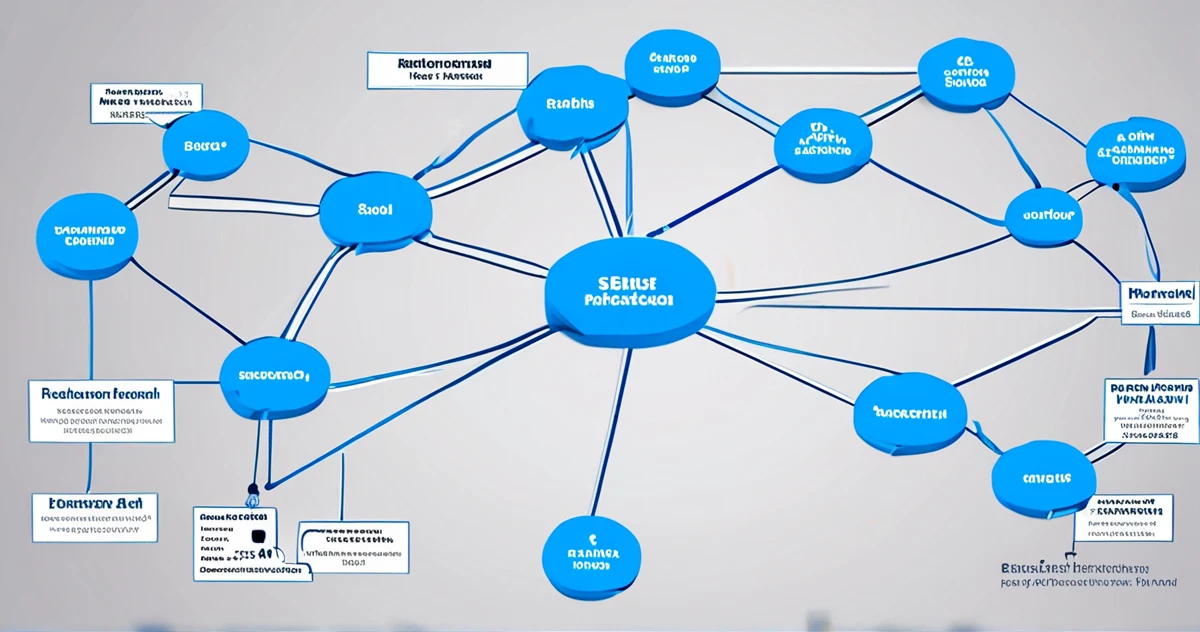
The comparison between Twitter, Bluesky, and Mastodon reveals fundamentally different technical philosophies. Twitter represents the centralized tradition, mature but restrictive. Mastodon embodies the federated vision, complex but emancipatory. Bluesky proposes a middle path, seeking to reconcile ease of use with technical openness.
Key takeaways:
- Architecture directly influences development possibilities
- Decentralization offers more control but increases complexity
- The choice depends on each project's specific needs
- Interoperability becomes a crucial technical criterion
For developers, these differences are not trivial. They directly influence how we design applications, manage data, and envision the future of the social web. As the landscape continues to evolve, a thorough understanding of these architectures becomes essential to anticipate future trends and make informed technical choices.
To Go Further
- Postiz - Comparison of decentralized platforms Mastodon and Bluesky
- Itsfoss - Analysis of decentralized alternatives to Twitter
- Glukhov - Fediverse statistics and analysis
- SocialBee - Differences between Mastodon and Bluesky
- Howtogeek - Comparison between Bluesky and Twitter
- Wikipedia - Description of the Bluesky service
- Reddit - Community discussions on choosing between Bluesky and Mastodon
- Reddit - Migration testimonials between Mastodon and Bluesky