Imagine a spontaneous conversation where voice replaces text, creating unprecedented digital intimacy. This was the initial promise of Clubhouse, which launched the audio-first social media trend in 2025. Today, this approach has evolved with the arrival of Twitter Spaces and other alternatives, transforming how we interact online. Why does this audio modality appeal so much, and what future is emerging for these platforms? This article explores the strengths, limitations, and strategic perspectives of this rapidly changing phenomenon.

Social audio represents more than just a trend: it responds to a growing need for authenticity and human connection in an often impersonal digital landscape. While screens constantly demand our visual attention, voice offers a less intrusive and more natural alternative. Here we will analyze the specificities of Clubhouse and Twitter Spaces, the lessons learned from their development, and the technological innovations that could shape their future.

Clubhouse: The Initial Spark and Its Lessons
What allowed Clubhouse to captivate millions of users in just a few months? The platform introduced a simple but powerful concept: ephemeral audio rooms where participants could listen and speak freely. According to a16z, Clubhouse represented one of the first successful implementations of social audio, creating a space for fluid and spontaneous conversation.
Key Factors of Initial Success
Clubhouse's initial success relied on several strategic factors:
- Initial exclusivity (invitation-only access) created a psychological scarcity effect
- Default absence of recording fostered authentic and spontaneous exchanges
- Moderated but open structure allowed for quality conversations with clear hierarchy
- Novelty effect in a market saturated with visual platforms
Encountered Limitations
However, the model quickly encountered structural challenges:
- Arrival of major competitors like Twitter Spaces and Facebook Audio Rooms
- Difficulty maintaining engagement beyond the initial novelty effect
- Lack of robust discovery features for new users
- Moderation problems in large conversations
> Key Insight: Initial innovation doesn't guarantee sustainability. Clubhouse demonstrated the demand for social audio, but its difficulty maintaining leadership shows the importance of constant evolution in the face of competition.
Twitter Spaces: Integration as a Winning Strategy
How did Twitter quickly establish itself in social audio? By developing Spaces directly integrated into its existing platform, Twitter offered a credible alternative to Clubhouse. According to Wired, Twitter was already working on its own audio system by late 2025, recognizing the potential of this modality.
Strategic Advantages of Twitter's Approach
Twitter's approach presents several competitive advantages:
- Native integration with the existing timeline facilitates organic discovery
- Established user base enables rapid large-scale deployment
- Complementarity with text features strengthens the overall ecosystem
- No entry barrier for existing Twitter users
Comparative Analysis
Flyingvgroup highlights that Twitter Spaces benefits from favorable comparative analysis thanks to:
- Its immediate accessibility for 300+ million monthly users
- Its built-in audience allowing for immediate network effects
- Its ease of use without requiring a new application
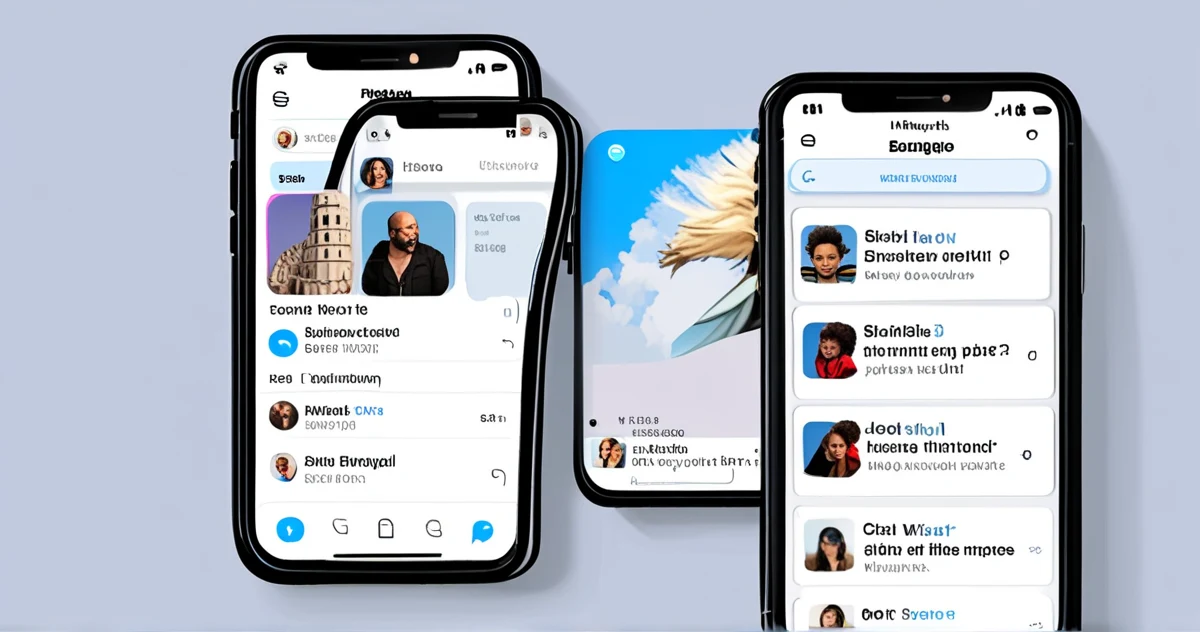
Comparison of Main Audio Platforms
| Platform | Audience | Strengths | Challenges |
|------------|----------|--------------|--------|
| Clubhouse | Early adopters | Initial innovation, exclusivity | Declining engagement, competition |
| Twitter Spaces | Existing Twitter users | Native integration, large audience | Dependence on Twitter ecosystem |
| Spotify Greenroom | Music audience | Audio content integration, strong brand | Niche specialization |
| Discord Stages | Gaming communities | Engaged communities, rich features | Specific audience |
The Expanded Ecosystem of Audio Platforms
Beyond the two main players, what competitive landscape is emerging? Several alternatives have appeared, each with distinct approaches. Flyingvgroup notably mentions Spotify Greenroom and Discord stage channels as significant players in this expanding ecosystem.
Diversification of Approaches
The strategic differences between platforms are notable:
- Discord prioritizes closed communities and peer-to-peer exchanges
- Spotify bets on integration with its existing music ecosystem
- Facebook uses its massive social network as leverage
- LinkedIn explores professional audio and networking
Implications for Users

This diversification shows that social audio is not a single model, but rather a modality adaptable to different contexts and community needs. Users can choose the platform that best corresponds to:
- Their communication goals (personal, professional, community)
- Their target audience and its platform preferences
- The type of interaction desired (spontaneous, structured, moderated)
Artificial Intelligence Serving Social Audio
How is technology improving the audio experience? Voicebot Ai highlights the growing importance of voice technologies, particularly speech recognition, natural language processing, and sentiment analysis.
Key Technological Innovations
These technological advances enable significant improvements:
- Automatic transcription of conversations for accessibility and archiving
- AI-assisted moderation to detect problematic content
- Engagement analysis and conversation quality in real time
- Personalized recommendation of relevant conversations
Resolution of Identified Challenges
These technologies could solve some structural challenges identified by Dittotranscripts:
- Difficulty archiving and referencing pure audio content
- Content discovery in a non-textual format
- Impact analysis of audio conversations
- Accessibility for hearing-impaired individuals
Evolution Perspectives and Challenges to Address
What future is emerging for audio-first platforms? Multipostdigital anticipates market consolidation where only the best-integrated solutions will survive.
Main Identified Challenges
The major obstacles to overcome include:
- Sustainable monetization of audio content for creators
- Discovery and curation of relevant conversations at scale
- Delicate balance between spontaneity and necessary moderation
- Harmonious integration with other formats (text, video, images)
Potential Future Innovations
Idealink Tech suggests that future innovations could include:
- Hybrid features combining audio with other interactive modalities
- Augmented reality integration in audio spaces
- Advanced personalization based on vocal and behavioral analysis
- Persistent audio spaces with conversational memory
Practical Implications for Digital Professionals
How to leverage these trends in a digital strategy? Audio-first platforms offer specific opportunities that professionals can exploit.

Successful Implementation Strategies
Effective approaches identified include:
- Creating authentic discussion spaces with existing community
- Hosting regular audio events to build loyalty and engage audience
- Experimenting with different formats (Q&A, debates, interviews, masterclasses)
- Integrating audio into a consistent multi-channel content strategy
Important Strategic Considerations
The approach must however remain strategic and measured:
- Assess the receptiveness of your specific audience to audio format
- Calculate the time investment required for regular hosting
- Define clear and measurable objectives for social audio
- Choose the platform that matches your audience and goals
Concrete Use Cases of Audio Platforms
To better understand the practical application of social audio, let's examine some real usage scenarios:
Examples of Successful Implementation
- Professional communities: Expert networks organizing technical debates
- Education and training: Interactive masterclasses with live Q&A
- Content marketing: Influencer interviews and niche discussions
- Customer support: Q&A sessions with product teams
Identified Best Practices
Experienced users recommend these proven approaches:
- Prepare a discussion plan while maintaining spontaneity
- Actively moderate conversations to maintain engagement
- Promote sessions in advance via other channels
- Solicit participant feedback to continuously improve
Conclusion: The Future of Social Audio
The rise of audio-first platforms marks a significant evolution in how we conceive digital interaction. Clubhouse paved the way by demonstrating voice's potential to create more authentic connections, while Twitter Spaces showed the importance of integration into existing ecosystems.
Summary of Key Lessons
The main conclusions from this analysis:
- Initial innovation must be followed by constant evolution
- Platform integration is a decisive competitive advantage
- AI technology transforms audio into exploitable data
- Diversification of approaches responds to varied needs
Future Perspectives
The future of social audio will depend on its ability to evolve beyond initial novelty, by intelligently integrating technological advances and responding to the real needs of communities. As the market continues to consolidate, one question remains: will audio become a standard complementary modality, or will it maintain its specificity as a privileged engagement channel?
Going Further
- Wired - Article on the future of audio social media
- Flyingvgroup - Analysis of trends and innovations in social audio
- Dittotranscripts - Article on audio marketing and emerging platforms
- A16z - Perspective on the next phase of audio social networks
- Voicebot Ai - Analysis of Clubhouse and its intersection with voice AI
- Multipostdigital - Article on the rise of audio social media
- Justanotherpm - Analysis of Clubhouse's rise and decline
- Idealink Tech - Guide to creating a Clubhouse-like application