Introduction
The transition to electric mobility is accelerating, but the performance and range of electric vehicles (EVs) remain largely dependent on battery technologies. Currently, lithium-ion batteries dominate the market, but their limitations in terms of energy density, charging time, and safety are pushing the industry to explore alternatives. Among them, solid-state batteries are emerging as a promising solution, with potential advantages in terms of range and durability.
This article compares these two technologies based on verified sources, to inform digital and automotive professionals about the technical and economic challenges. We will examine their characteristics, their respective advantages, and the challenges to overcome for large-scale adoption.
> Key Insight: Solid-state batteries could offer superior range and faster charging, but their large-scale commercialization remains a technical and economic challenge.
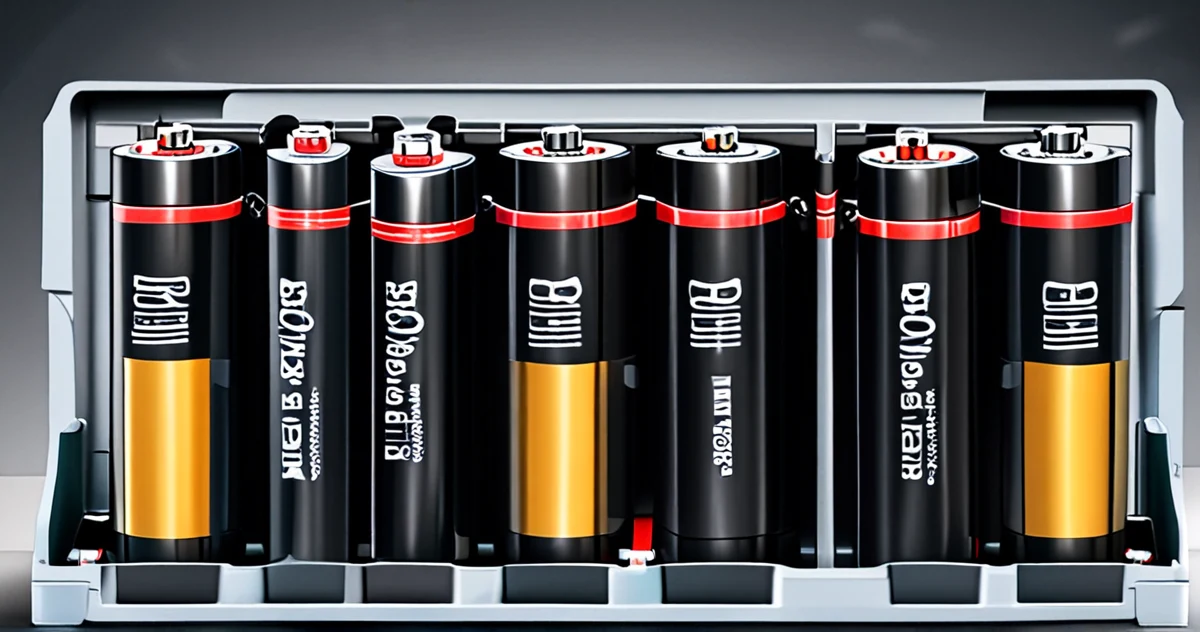
Internal structure of batteries: liquid electrolyte vs solid
Major Obstacles for Solid-State Batteries
Material Interface Issues:
- Stability of electrode-solid electrolyte interfaces
- Dendrite formation despite solid electrolyte
- Compatibility with existing electrode materials
Manufacturing Challenges:
- Large-scale production of ceramic electrolytes
- Quality control of thin solid layers
- Integration into existing production lines
Determining Factors for Mass Adoption
Key Elements for Commercial Success
Critical Technological Factors:
- Resolution of electrode-electrolyte interface problems
- Improvement of ionic conductivity in solid materials
- Development of cost-effective manufacturing processes
Determining Economic Factors:
- Reduction of production costs below $100/kWh
- Economies of scale in electrolyte manufacturing
- Competitiveness against continuous lithium-ion improvements
Regulatory Factors:
- Specific safety standards for solid-state batteries
- Government incentives for innovative technologies
- Favorable environmental regulations
Conclusion: What Future for Battery Technologies?
Solid-state batteries represent a major advancement for electric vehicles, with potential gains in range, safety, and durability. However, lithium-ion batteries remain the current benchmark, and their continuous evolution (for example, with silicon anodes) could maintain their competitiveness.
Likely Scenarios for the Coming Decade
Technological Coexistence:
- Lithium-ion dominating the mass market until 2030
- Solid-state batteries reserved for premium segments and specific applications
- Parallel evolution of both technologies
Determining Factors:
- Resolution of solid-state battery production challenges
- Evolution of critical material costs
- Safety and environmental regulations
Final Recommendations for Industry Players
For Manufacturers:
- Maintain a dual technology strategy
- Invest in R&D while optimizing current solutions
- Prepare for gradual industrial transition
For Professionals:
- Follow announcements from major players (Toyota, Volkswagen, BMW)
- Assess impact on supply chains
- Anticipate needs for new technical skills
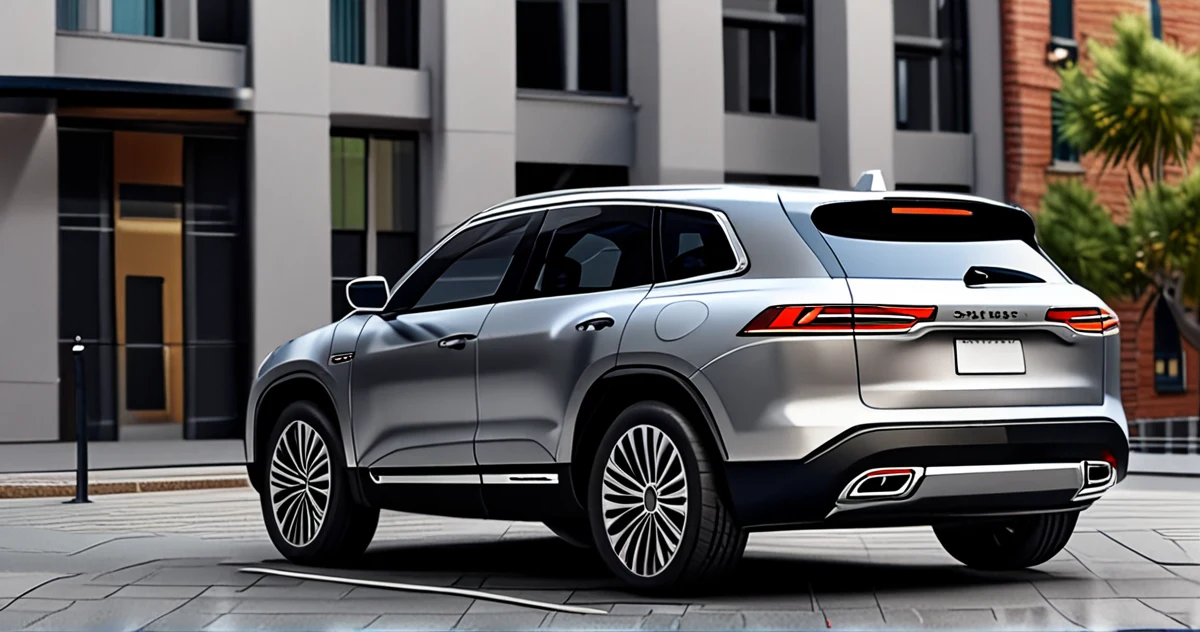
Modern electric vehicle integrating the latest battery technologies
The innovation race, particularly led by countries like China and the United States, according to the Carnegie Endowment, will determine which technology will dominate the market. In the short term, coexistence of both technologies is likely, with solid-state batteries reserved for premium segments. Professionals must stay informed about developments to anticipate disruptions and seize opportunities.
To Go Further
- Yale Climate Connections - Article on the promises of solid-state batteries for EVs
- Visual Capitalist - Comparison of lithium-ion battery types
- Carnegie Endowment - Geopolitical analysis on next-generation batteries
- Monolith - Technological advances in solid-state batteries
- ScienceDirect - Review on advanced lithium-ion batteries for EVs
- CPI - Comparison of solid-state battery advantages
- ScienceDirect - Study on lithium-sulfur batteries for automotive
- GreenCars - Perspectives on the future of EV batteries
Summary of Key Benefits
Lithium-ion Batteries:
- Mature and proven technology
- Established production infrastructure
- Competitive costs for mass market
- Developed recycling processes
Solid-State Batteries:
- Superior thermal safety
- Potentially doubled energy density
- Halved charging times
- Extended lifespan
- Reduction of critical materials
Technological Evolution Perspectives
Innovations to Watch
Lithium-ion Battery Developments:
- Silicon anodes to increase capacity
- Advanced electrolytes to improve safety
- Optimized thermal management systems
Solid-State Battery Progress:
- New ceramic electrolyte materials
- Electrode-electrolyte interface solutions
- Large-scale manufacturing processes
Hybrid Technologies:
- Semi-solid batteries as transition
- Combination of both technologies' advantages
- Gradual adoption in different segments