
In today's digital ecosystem, the SaaS (Software as a Service) model represents a major opportunity for independent developers and small businesses. Transitioning from a simple personal project to a product generating $10,000 in monthly recurring revenue (MRR) is an ambitious but achievable goal, particularly through the freemium strategy. This article explores the key steps to achieve this, based on verified feedback and concrete examples.

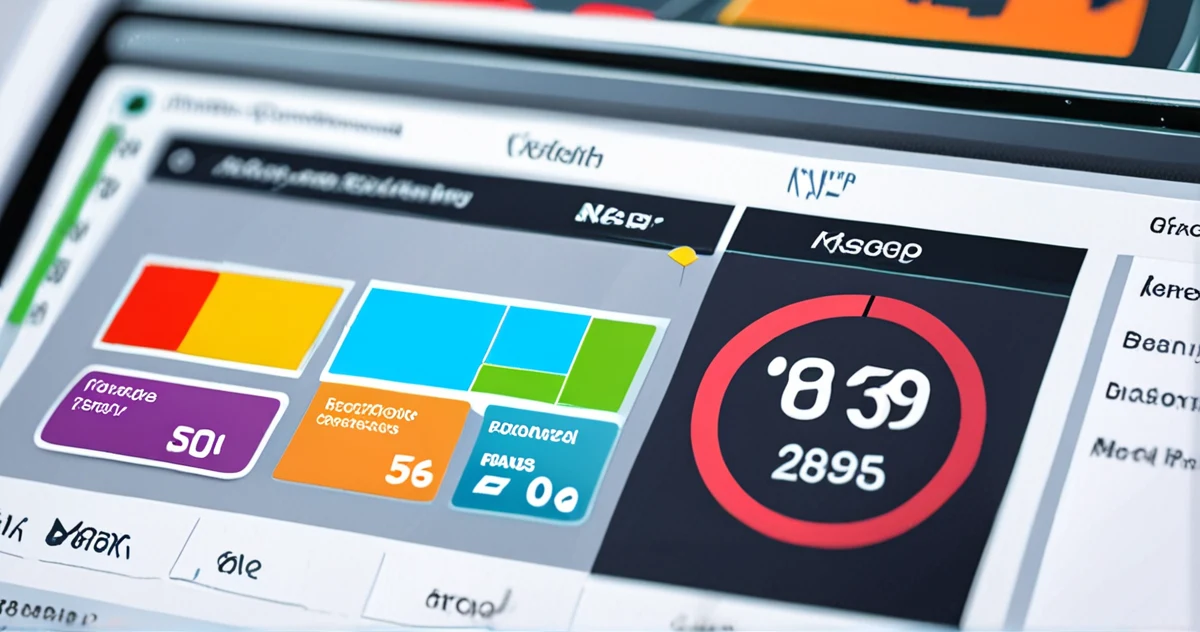
Example of typical MRR growth curve for a freemium SaaS
Understanding the freemium SaaS model
The freemium model, which combines a free offering with paid premium features, allows for attracting a broad audience while converting a portion of users into paying customers. For solo creators, as highlighted by a developer on Medium, a simple pricing approach focused on MRR goals is essential for structuring growth.
Key advantages of the freemium model:
- User acquisition at lower cost
- Rapid validation of the product in the market
- Building a loyal user base
- Opportunities for progressive conversion
Defining your product and unique value
The first step is to identify a concrete problem to solve for a specific niche, such as small businesses. For a solo developer, it's crucial to focus on an accessible market and validate the idea quickly through user feedback.
Examples of successful micro-SaaS
- Shopify SaaS: As mentioned in Preetam Nath's guide, these tools help e-commerce merchants optimize their sales with simple and affordable solutions
- AI-focused micro-SaaS: Platforms like Superframeworks mention products targeting specific needs like marketing automation or content management
- Tools for small businesses: Specialized solutions addressing specific market challenges
Practical validation actions
- Use surveys or prototypes to test demand
- Identify a specific problem to solve for your target audience
- Start small and iterate quickly based on feedback
- Focus on execution rather than complexity
> Key insight: A simple idea, well executed, has a better chance of success than a complex product without prior validation. The example of Buffer, which reached $20 million in annual recurring revenue (ARR), shows the importance of focus.
Detailed case studies: Successful freemium transitions
Case 1: Marketing automation tool
An independent developer created an automation tool for small businesses, starting with a limited free version. After validating demand through user testing, they added premium features targeting specific identified needs, gradually reaching $8,000 MRR in 18 months.
Growth timeline:
- Months 1-3: Free MVP launch → 500 users
- Months 4-6: Added premium features → 5% conversion rate
- Months 7-12: Onboarding optimization → 12% conversion rate
- Months 13-18: Feature expansion → $8,000 MRR
Case 2: Project management solution
A startup launched a project management SaaS with a freemium model focused on user count. By focusing on user experience and actively listening to feedback, they converted 15% of their free base into paying customers, exceeding $12,000 MRR.

Example dashboard for tracking freemium → premium conversions
Implementing a pricing and launch strategy
Once the product is defined, the freemium pricing strategy must balance attractiveness and profitability. On Medium, an independent developer explains that their strategy is based on factors like user count and MRR goals.
Compared freemium pricing models
| Model | Advantages | Risks | Ideal use case | Example SaaS |
|------------|---------------|-------------|----------------------|------------------|
| Free with usage limits | Attracts broad audience | Low conversion if limits too restrictive | Products with variable usage | Dropbox, Mailchimp |
| Temporary free trial | Encourages quick action | High abandonment rate | Products with high perceived value | Slack, Zoom |
| Added premium features | Values upgrade | Requires clear differentiation | Products with distinct features | Spotify, Evernote |
Optimized launch strategy
For launch, prioritize simplicity: a free version with basic features can generate traffic and feedback, while premium options are reserved for advanced needs. On Indie Hackers, a creator shares having reached $5,000 MRR by focusing on user engagement and continuous improvement.
Recommended launch steps:
- Minimum viable version (MVP) with essential features
- Clear communication about product value
- Active collection of user feedback
- Iterative improvements based on data
Optimizing user conversion and retention
Reaching $10,000 MRR requires constant attention to converting free users into paying customers. Examples on Reddit show that startups have accelerated their growth by focusing on user experience and customer support.

Proven conversion tactics
- Personalized onboarding: Guide new users to key features
- Targeted notifications: Inform about premium benefits at the right time
- ROI demonstration: Clearly show the added value of the paid version
- Extended trials: Offer trial periods to reduce resistance
Effective retention strategies
Implement tactics like active user listening and feedback collection to refine the offering. On Indie Hackers, Jon Yongfook emphasized that community engagement and active user listening were decisive in exceeding $10,000 MRR.
Concrete actions to improve retention:
- Analyze usage data to identify friction points
- Test different upgrade incentives
- Regularly update the product
- Offer responsive and personalized support
Measuring and analyzing performance
Key metrics to track your progress
- Conversion rate: Percentage of free users switching to premium
- MRR growth: Monthly evolution of recurring revenue
- Churn rate: Paying customer cancellation rate
- LTV/CAC: Customer lifetime value to acquisition cost ratio
Recommended analysis tools
- Google Analytics for traffic and user behavior
- Mixpanel or Amplitude for product analysis
- Stripe or PayPal for revenue tracking
- Intercom or Crisp for customer support
Conversion funnel: From free to premium
Understanding the user journey is essential for optimizing conversions. Here are the typical steps of a high-performing freemium funnel:
Step 1: Acquisition → Attract users through the free model
Step 2: Activation → Quickly demonstrate product value
Step 3: Retention → Maintain long-term engagement
Step 4: Conversion → Transform users into paying customers
Step 5: Expansion → Increase value of existing customers
Key success factors for reaching 10K MRR
Achieving the $10,000 MRR goal requires a combination of strategic and operational factors. Feedback from the Indie Hackers community highlights several determining elements.
Essential elements for growth:
- Focus on a specific niche rather than a general market
- Technical excellence to ensure reliability and performance
- Continuous listening to user needs
- Rapid adaptation to market feedback
Scalability and future prospects
Once the $10,000 MRR threshold is crossed, the challenge is to maintain growth without compromising quality. Sources like Reddit and Indie Hackers indicate that this often involves automation, feature expansion, or diversification of distribution channels.
Successful scaling strategies
- Process automation: Reduce manual workload to manage growth
- Feature expansion: Add value without complicating
- Channel diversification: Explore new markets and partnerships
- Technology optimization: Ensure a solid foundation for growth
Integration of emerging trends
For micro-SaaS, AI integration, as suggested on Superframeworks, can open new opportunities, but care must be taken not to overload the product. The key is to stay agile: adjust your strategy based on market feedback and emerging trends.
Inspiring example: A SaaS that reached $1 million ARR in 7 months focused on a solid technological foundation and clear product roadmap.
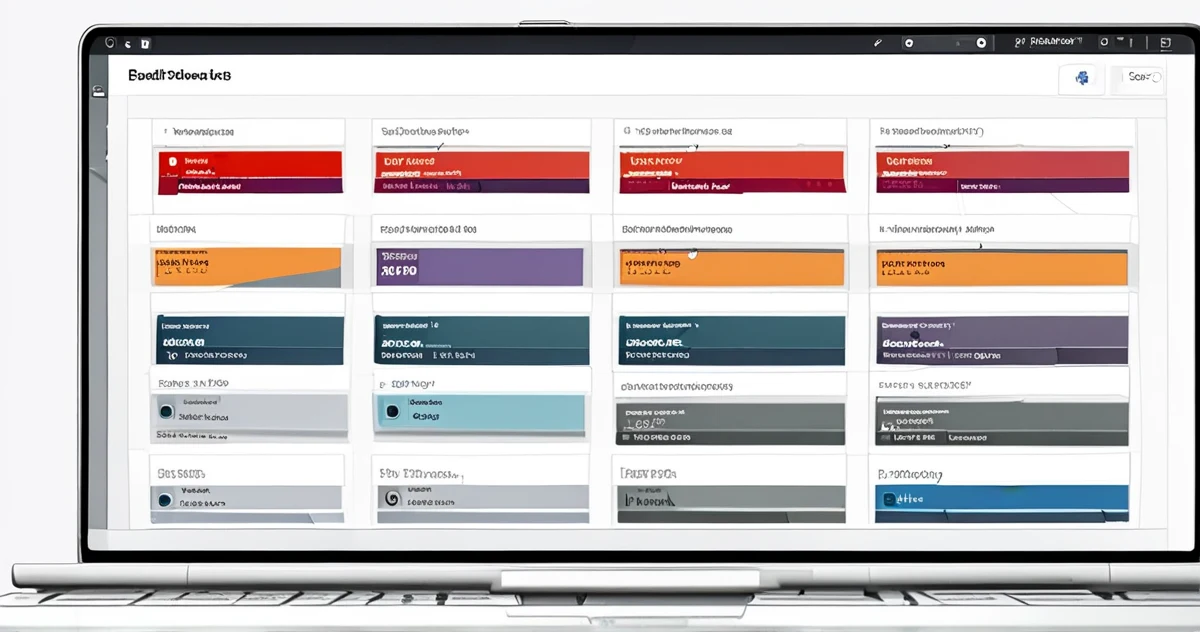
Example roadmap for planning the evolution of a freemium SaaS
Step-by-step action plan
Months 1-3: Validation and MVP
- Identify your niche and problem to solve
- Develop an MVP with essential features
- Recruit 10-20 beta users for feedback
- Set up basic analytics tools
Months 4-6: Launch and acquisition
- Officially launch the freemium version
- Set up the conversion funnel
- Actively collect user feedback
- Optimize onboarding and user experience
Months 7-12: Optimization and growth
- Analyze conversion data
- Test different pricing strategies
- Improve premium features
- Reach first $1,000-2,000 MRR
Months 13-18: Scaling toward 10K MRR
- Automate manual processes
- Expand premium features
- Diversify acquisition channels
- Maintain low churn rate
Avoiding common freemium model pitfalls
The freemium model presents specific challenges that creators must anticipate to maximize their chances of success toward the 10K MRR goal.
Pitfalls to avoid:
- Too generous free offering: Limit premium features to create real upgrade value
- Lack of differentiation: Ensure clear distinction between free and paid versions
- Underestimated customer support: Plan necessary resources to manage a free user base
- Insufficient analytics: Implement rigorous tracking of conversion metrics from the start
Conclusion: From Project to $10K MRR
Turning a personal project into a freemium SaaS with $10,000 MRR requires a structured approach: validating your idea, adopting appropriate pricing, optimizing conversion, and scaling progressively. By drawing inspiration from verified journeys like that of Jon Yongfook, creators can avoid common pitfalls and maximize their chances of success.
Key takeaways:
- Start by solving a specific problem for a specific niche
- Adopt a pricing strategy aligned with your MRR goals
- Continuously optimize conversion and retention
- Stay agile and adapt to market feedback
- Learn from communities like Indie Hackers to stay current
Going Further
- Medium - Pricing strategy for a solo SaaS
- Reddit - Experience feedback on scaling a startup
- Superframeworks - Micro-SaaS ideas for small businesses
- Reddit - Rapid SaaS growth
- Indie Hackers - Reaching $5,000 MRR
- Preetamnath - Guide for Shopify apps
- Indie Hackers - Journey to $10,000 MRR
- Quora - Proven SaaS selling techniques