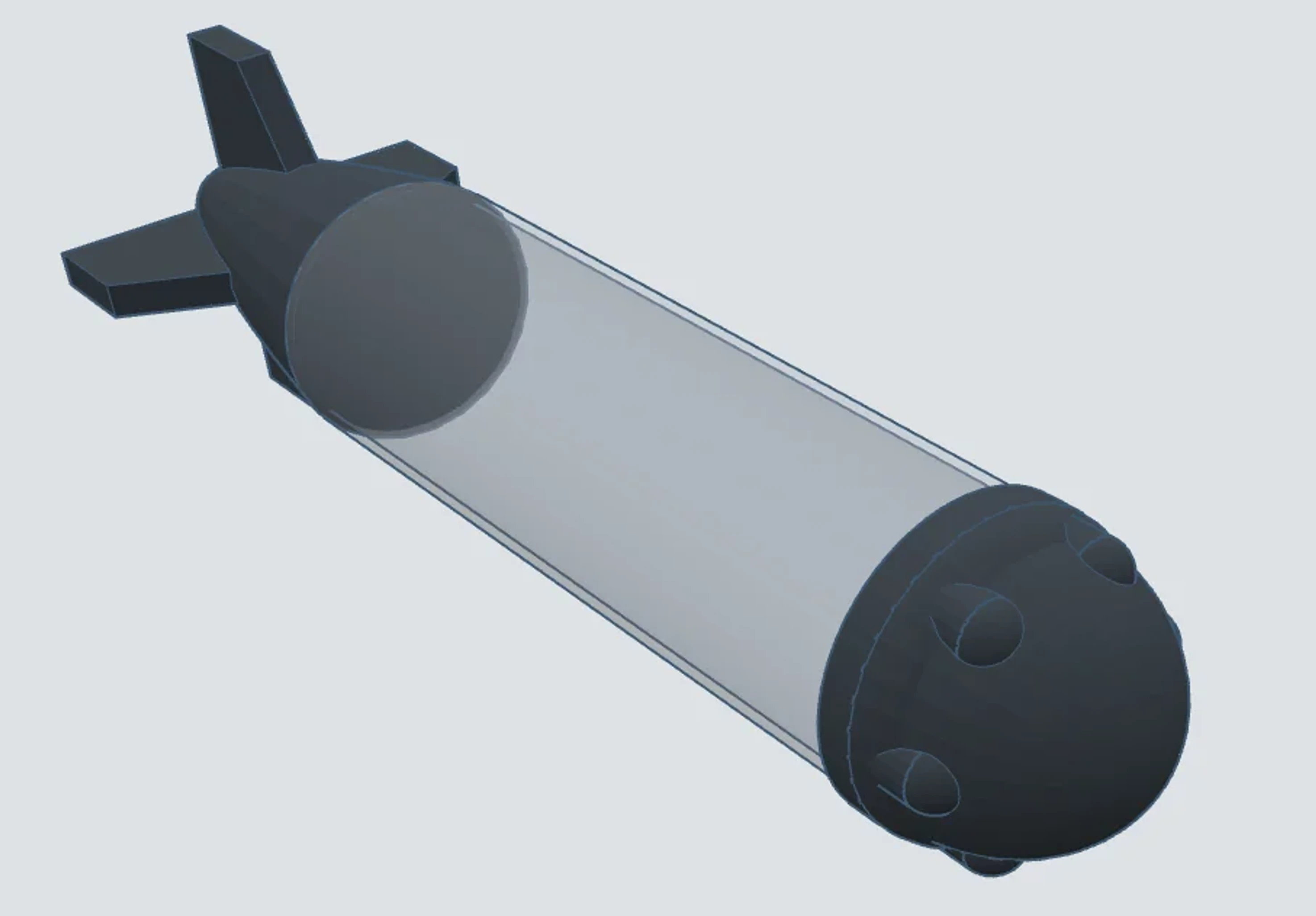
DIY ROV: Building an Affordable Remote-Operated Underwater Vehicle
Underwater exploration, once reserved for scientists and professionals with substantial budgets, is becoming accessible thanks to technological advancements. The construction of remote-operated underwater vehicles (ROVs) at lower cost is now opening the doors to the ocean depths for enthusiasts. According to a Medium article, a significant portion of the federal ocean exploration budget (estimated between 20 and 30 million dollars) is dedicated to tools and ships for surveying the abyss, highlighting the potential of DIY initiatives to democratize this exploration.
For technology enthusiasts and DIYers, building your own ROV represents a unique opportunity to discover an unknown world without astronomical investments. This detailed guide accompanies you through each step, relying on verified sources and feedback from the community. We will address the technical challenges, economical solutions, and how to leverage open-source projects to succeed in your underwater adventure.
> Key Insight: Building a DIY ROV is not just a technical project; it is a gateway to citizen oceanography, allowing everyone to contribute to the knowledge of marine ecosystems.
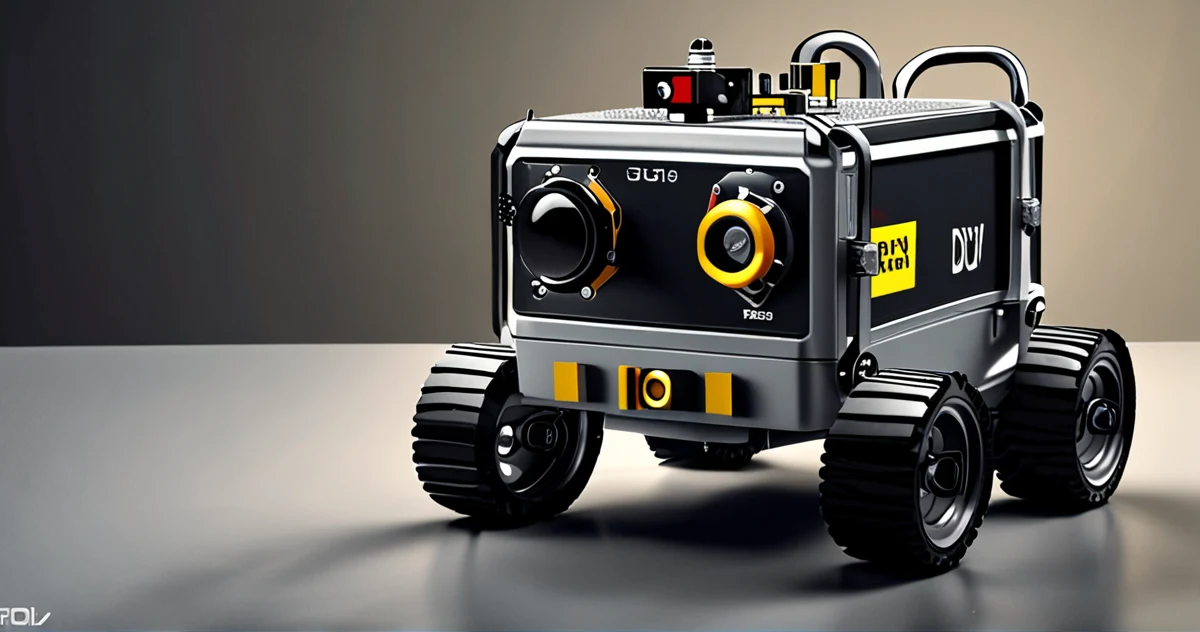
DIY ROV in action during underwater exploration - demonstrating the feasibility of DIY projects
Why Build a DIY Underwater ROV?
Remote-operated underwater vehicles allow exploration of aquatic environments without the risks and costs associated with human diving. Whether inspecting wrecks, studying marine life, or satisfying personal curiosity, these devices offer incomparable flexibility. IEEE Spectrum emphasizes that owning your own ROV allows you to discover the seabed without getting wet, thus expanding possibilities for amateurs and educators.
Main advantages of a DIY ROV:
- Financial accessibility: Reduced cost compared to commercial solutions
- Total customization: Adaptation to specific needs
- Technical learning: Development of skills in electronics and mechanics
- Active community: Knowledge sharing and technical support
However, commercial ROVs can cost thousands of euros, making them inaccessible for many. DIY approaches change the game: by using standard components and open-source designs, it is possible to significantly reduce costs. The OpenROV project, mentioned in ArduPilot discussions, for example, offers kits to build your own ROV, fostering an active community of knowledge sharing.
Major Technical Challenges and Practical Solutions
Waterproofing and Pressure Resistance
Waterproofing represents the main challenge in building a DIY ROV. Electronic components must withstand pressure and humidity. On the Blue Robotics forum, a user shares their experience with a 3D printed ROV, emphasizing the importance of material choice and rigorous testing.
Practical solutions for waterproofing:
- Use IP68 certified waterproof enclosures
- Prefer special water-resistant cables
- Perform tests in shallow water before any deep dive
- Apply marine silicone seals on all interfaces
Underwater Propulsion System
Brushless motors commonly used in aerial drones can be adapted but require water-resistant controllers. A participant on Blue Robotics reported having burned out a cheap static relay (SSR), then opting for a more reliable unit.
Recommended configuration for propulsion:
- Brushless motors with waterproof housings
- Waterproof ESC controllers
- Propellers optimized for aquatic propulsion
Remote Control and Transmission
Signal transmission via a tether cable is crucial for ROV operation. Cable quality directly impacts connection reliability.
Key points for transmission:
- Choose a sufficiently long tether cable (minimum 50m)
- Opt for a robust cable with snag protection
- Check compatibility of waterproof connectors
These technical challenges are not insurmountable. With careful planning and access to community resources, even beginners can progress. The "Jules Verne" project documented on Blue Robotics shows how a Russian DIYer used a custom CNC machine and a modified Chinese lathe to manufacture precise parts, demonstrating the importance of appropriate tooling.
Economical Approaches for Your DIY ROV
Materials and Manufacturing
The use of 3D printers, as described by a Blue Robotics user, allows creating custom hulls and supports at an affordable price.
Material choices for your DIY ROV:
- PLA or ABS for 3D printing (good strength/price ratio)
- Polycarbonate for critical parts requiring better durability
- Fiberglass for hulls requiring increased strength
Electronics and Control
Common electronic components can be integrated to manage flight logic and communication.
Recommended electronic configuration:
- Arduino or Raspberry Pi controllers for processing
- High-quality static relays (SSR) to avoid failures
- Pressure and temperature sensors for monitoring
- Underwater camera with integrated LED lighting
Software and Programming
Platforms like ArduPilot offer open-source firmware for ROV control, facilitating programming and adjustments.
Software options for your ROV project:
- ArduSub firmware for advanced control
- Customizable piloting interfaces
- Data logs for performance analysis
CPS Drone emphasizes that building an underwater drone follows principles similar to aerial drones but with adaptations for the aquatic environment. By recycling parts from existing drones or purchasing used components, it is possible to further reduce expenses.
Buoyancy Control and Stability
Buoyancy Calculation
Mastering buoyancy is essential for a functional ROV. Archimedes' principle applies: the vehicle's weight must be balanced by the thrust of the displaced water.
Calculation method for buoyancy:
- Weigh each component individually
- Calculate the total volume of the ROV
- Adjust with floats or weight to achieve neutral buoyancy
Stabilization Systems
To keep the ROV stable in water, several approaches are possible:
- Passive stabilization: optimized hydrodynamic design
- Active stabilization: use of gyroscopes and accelerometers
- Depth control: ballasts or vertical propulsion systems
Construction Plan in 4 Detailed Phases
Phase 1: Design and Planning
Essential preliminary steps:
- Definition of objectives and budget constraints
- Research of available components
- 3D design of the chassis
- Calculation of technical specifications
Complete design checklist:
- [ ] Target dimensions and weight
- [ ] Motor configuration
- [ ] Placement of electronic components
- [ ] Access points for maintenance
Phase 2: Mechanical Assembly
Waterproof hull fabrication:
- 3D printing of structural parts
- Machining of metal components
- Assembly with waterproof bonding
- Installation of viewports and connectors
Propulsion system:
- Mounting of brushless motors
- Fixing of propellers
- Wiring of ESC controllers
- Rotation tests out of water
Phase 3: Electronic Integration
Installation of electronic components:
- Mounting of the controller board
- Connection of sensors
- Installation of camera and lighting
- Wiring of the power system
Essential electrical safety:
- Verification of cable insulation
- Short-circuit tests
- Protection against residual humidity
Phase 4: Testing and Calibration
Recommended progressive tests:
- Waterproof test in shallow pool
- Communication verification
- Controlled propulsion test
- Buoyancy adjustment
Calibration of essential systems:
- Adjustment of control sensitivity
- Calibration of depth sensors
- Optimization of energy consumption
Essential Components Buying Guide
Basic Electronics
Essential components to get started:
- Controller board: Arduino Uno or Raspberry Pi Zero W
- Brushless motors: 4-6 units for multidirectional propulsion
- ESC controllers: Waterproof models with thermal protection
- Batteries: LiPo 3S or 4S with waterproof connectors
- Camera: HD module with integrated LED lighting
Structural Materials
Options according to your budget and skills:
- PLA/ABS: Ideal for 3D printing, easy to modify
- Polycarbonate: Excellent resistance to shocks and pressure
- Aluminum: For structural frames requiring maximum rigidity
- Fiberglass: Professional solution for durable hulls
Recommendations to Start Your ROV Project
Skills and Budget Assessment
Before starting, honestly assess your technical skills and available budget. Begin with a simple design, like those proposed in open-source tutorials, and progress towards more complex models.
Typical budget for a first DIY ROV:
- Basic electronics: €150-300
- Materials and 3D printing: €50-100
- Motors and propulsion: €100-200
- Camera and lighting: €80-150
Secure Testing Environment
Regularly test your ROV in a controlled environment, like a swimming pool, to identify and correct weaknesses. Proceed with logical steps:
- Static test on surface
- Buoyancy test
- Propulsion test
- Communication test
- Progressive diving
Essential Tools for Construction
Invest in basic tools to facilitate construction and maintenance:
- Electronics: Multimeter, soldering iron, pliers
- Mechanics: Allen keys, screwdrivers, hacksaw
- Testing: Test pool, pressure gauge, stopwatch
Documentation and Community Sharing
Systematically document your project and share your discoveries with the community. This practice enriches collective knowledge and can inspire other enthusiasts.
Maintenance and Improvements for Your ROV
Essential Regular Maintenance
After each use in salt water, meticulous maintenance is necessary:
- Rinse abundantly with fresh water
- Check seal integrity
- Monitor connector corrosion
- Dry completely before storage
Possible Evolutions After the Basic Version
Once the basic ROV is functional, consider progressive improvements:
- Additional sensors: Sonar, water quality, temperature
- Automation: Autonomous navigation, programmed missions
- Performance: More powerful propulsion, high-capacity batteries
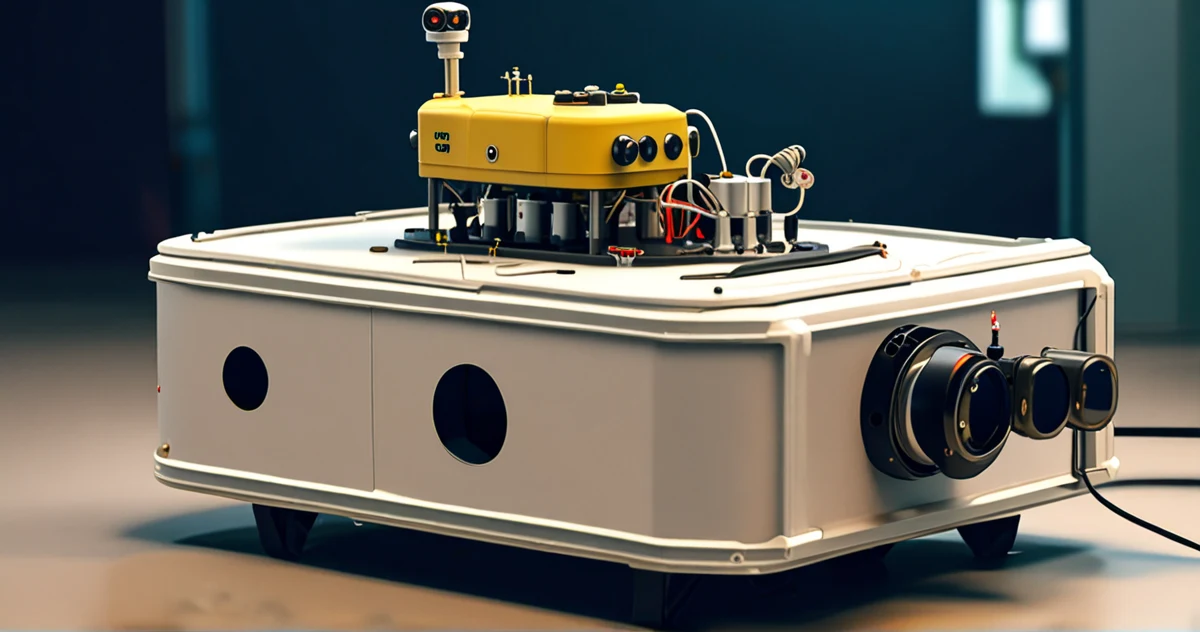
Essential testing phase in a controlled environment before launching - system verification
Essential Community Tools and Resources
Sharing Platforms and Forums
Active communities for your ROV project:
- Blue Robotics Forum: Detailed feedback and technical support
- ArduPilot Community: Discussions on firmware and advanced control
- Reddit DIY Drones: Project sharing and practical advice
- Instructables: Complete tutorials with step-by-step photos
Free Software for Design
Open-source tools for your DIY ROV:
- FreeCAD: Complete 3D modeling
- OpenSCAD: Advanced parametric design
- ArduSub: Specialized ROV firmware
- QGroundControl: Ground control interface
Progressive Validation Steps
Recommended testing sequence to ensure reliability:
- Initial watertightness test
- Static immersion in fresh water
- Checking seals and connectors
- Duration: 30 minutes minimum
- Communication test
- Tether cable verification
- Remote command testing
- Video transmission validation
- Propulsion test
- Individual motor control
- Maneuverability testing
- Stability verification
- Buoyancy test
- Weight and float adjustment
- Progressive depth testing
- Vertical stability validation
Optimized Design Strategies
Energy Consumption Optimization
Energy management is crucial for your ROV's autonomy. Several strategies help optimize consumption:
Energy saving techniques:
- Using low-consumption LEDs for lighting
- Automatic standby for inactive systems
- Propulsion profile optimization
- Choosing high-capacity batteries suited to the application
Design for Easy Maintenance
A well-designed ROV facilitates future repairs and improvements:
Modular design elements:
- Quick access to electronic components
- Standardized connectors for easy replacements
- Independent waterproof compartments
- Adjustable mounting points
Troubleshooting Guide for Common Problems
Waterproofing Issues
Symptoms and solutions:
- Condensation in the housing: Check seals and replace if necessary
- Water in connectors: Use IP68 certified marine connectors
- Leaks at cable entry points: Apply marine-grade silicone sealant
Propulsion Problems
Diagnosis and resolution:
- Motors not turning: Check ESC controllers and power supply
- Excessive vibrations: Balance propellers and check mounts
- Power loss: Check battery condition and connections
Communication Problems
Transmission system troubleshooting:
- Intermittent video signal: Inspect tether cable for damage
- Command latency: Check cable length and quality
- Complete signal loss: Test connectors and onboard electronics
Advanced Techniques for DIY ROV
Integration of Specialized Sensors
To transform your ROV into a true exploration tool, consider adding advanced sensors:
Recommended sensors for scientific exploration:
- Sonar: Seabed mapping and object detection
- Temperature sensors: Thermal variation monitoring
- Salinity probes: Water composition analysis
- Pressure sensors: Precise depth measurement
Autonomous Navigation Systems
Integrating autonomous capabilities can significantly increase your ROV's usefulness:
Autonomous navigation features:
- Waypoint navigation: Programming predefined routes
- Automatic stabilization: Position and orientation maintenance
- Obstacle avoidance: Automatic detection and avoidance
- Automatic return: Return to base in case of problems
Budget and Financial Planning
Typical Cost Breakdown
Detailed expense analysis for a standard DIY ROV:
- Electronics (40%): Controllers, sensors, camera, ESC
- Propulsion (25%): Brushless motors, propellers, controllers
- Structure (20%): Hull materials, connectors, seals
- Power (15%): Batteries, charger, wiring
Cost Saving Strategies
Methods to reduce costs without compromising quality:
- Recycling existing electronic components
- Purchasing used parts on specialized platforms
- 3D printing non-critical structural parts
- Participating in community group purchases
Concrete Examples of Successful DIY ROV Projects
"Model C" Kit on Reddit
A Reddit user designed a DIY underwater drone kit controllable via mobile app. This project aims to provide the necessary tools to create, experiment, and explore the ocean, highlighting amateur creativity.
Technical characteristics of the kit:
- Control via Android/iOS smartphone
- 45-minute autonomy
- Maximum depth: 30 meters
- Integrated HD camera
21-Step Instructables Guide
Instructables offers a detailed guide for building an underwater ROV, including diagrams and practical advice. These resources help visualize each phase, from mechanical assembly to final tests.
Key steps covered in the guide:
- Waterproof hull design
- Propulsion system installation
- Electronics wiring
- Progressive waterproofing tests
Blue Robotics Community Project
The Blue Robotics community brings together many successful projects, with valuable feedback on materials, waterproofing, and performance in real conditions.
These examples demonstrate that collaboration and sharing are at the heart of DIY project success. By participating in specialized forums, builders benefit from valuable feedback and avoid common mistakes.

Detailed view of essential waterproof components for your DIY ROV - protected electronics and marine connectors
Comparison of Materials for DIY ROV Hulls
| Material | Cost | Strength | Machinability | Weight | Recommendation |
|----------|------|------------|-------------------|-------|----------------|
| PLA (3D printing) | Low | Medium | Very easy | Light | Beginners, prototypes |
| ABS (3D printing) | Low | Good | Easy | Light | General use, fresh water |
| Polycarbonate | Moderate | Excellent | Moderate | Medium | Salt water, medium depth |
| Fiberglass | High | Very good | Complex | Heavy | Intensive use, salt water |
| Aluminum | High | Excellent | Complex | Heavy | Professional, high pressure |
Construction Approach Comparison
| Type of Approach | Estimated Cost | Technical Level Required | Construction Time | Final Result | Recommendation |
|-----------------|-------------|------------------------|----------------------|----------------|----------------|
| Ready-to-assemble kit | 300-600€ | Beginner | 10-20 hours | Functional but limited | First experience |
| Basic DIY | 150-400€ | Intermediate | 30-50 hours | Customizable | Progressive learning |
| Advanced DIY | 400-1000€ | Expert | 60-100 hours | Professional | Complex projects |
| Component recycling | 50-200€ | Variable | 20-60 hours | Economical | Limited budget |
Safety Guide for Underwater Exploration
Environmental Considerations
Underwater exploration with a DIY ROV requires a responsible approach:
Essential safety rules:
- Respect protected areas and marine reserves
- Avoid disturbing underwater wildlife and flora
- Do not collect samples without authorization
- Follow local regulations on exploration
Underwater Electrical Safety
Electrical risks in aquatic environments are real and must be taken seriously:
Essential electrical precautions:
- Use only certified waterproof components
- Check insulation of all cables before immersion
- Install differential circuit breakers
- Test waterproofing before each use
Conclusion: Your DIY ROV Adventure Starts Here
Building a DIY underwater ROV is a rewarding adventure that combines technology, exploration, and innovation. By overcoming technical challenges through verified resources and a supportive community, it's possible to create a functional vehicle at reasonable cost. Whether motivated by scientific curiosity or the joy of DIY, this project opens the door to a deeper understanding of our oceans.
So why not dive into the unknown? With the right tools and a collaborative spirit, you could well become the next deep-sea explorer.
To Go Further
- Medium - Article on building a DIY ocean research vessel
- Discuss Bluerobotics - Discussion about the "Jules Verne" project and creation of a Russian ROV
- Discuss Bluerobotics - Experience feedback on building a 3D printed ROV
- Spectrum Ieee - Guide to building your own underwater robot
- Discuss Ardupilot - Discussion about personal ROV projects
- Cpsdrone - Article on building DIY underwater drones
- Instructables - Detailed tutorial for making an underwater ROV
- Reddit - Presentation of a DIY underwater drone kit