Introduction: The Neurotechnological Revolution Underway

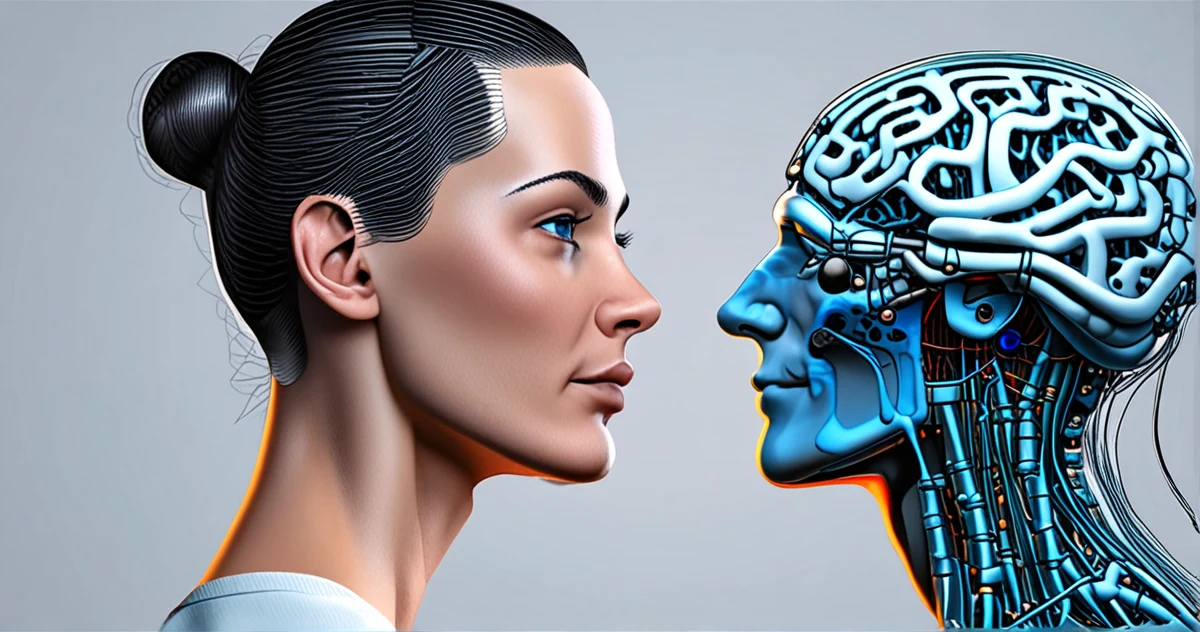
In a world where artificial intelligence is advancing at a frantic pace, brain-computer interfaces (BCI) represent the next frontier of human-machine interaction. According to a recent analysis published on Medium, "while artificial intelligence becomes smarter, we will need BCIs to keep up — like giving our brain an API." This powerful metaphor perfectly summarizes the challenge: transforming our neural activity into programmable access points, opening immense perspectives for developers and digital professionals.
Why should this evolution interest you? Because BCIs are no longer limited to the medical field. They promise to fundamentally redefine how we interact with technology, from productivity applications to immersive experiences. Neuralink, Elon Musk's startup, positions itself as a key player in this transformation, with ambitions that go far beyond restoring motor functions for people with disabilities.
In this article, we will explore the current ecosystem of brain-computer interfaces, analyze Neuralink's vision through its recent developments, and examine what programmers need to anticipate to prepare for this new era of neuro-informatics development.

The Current BCI Ecosystem: Beyond Neuralink
While Neuralink often dominates media discussions, the brain-computer interface ecosystem is much more diverse. As highlighted in an Insciter report, several companies worldwide are developing innovative BCI platforms. For example, Neeuro has created NeeuroOS, a brain computing platform for developers, while others combine brain-computer interfaces and visual coding for educational and therapeutic applications.
Main BCI Platforms Accessible to Developers
| Platform | Access Type | Main Applications | Complexity Level |
|----------------|------------------|-----------------------------|---------------------------|
| BCI2025 | General-purpose BCI system | Medical research, neuroscience | Advanced |
| NeeuroOS | Development platform | Cognitive applications, serious games | Intermediate |
| Neuralink Interfaces | Brain implants | Motor restoration, communication | Expert |
| OpenBCI | Open-source hardware | Prototyping, academic research | Beginner to advanced |
These platforms vary considerably in their technical approach and accessibility. BCI2025, mentioned in ScienceDirect research, represents a general-purpose BCI system that has served as the basis for many academic research projects. Its modular architecture allows developers to create custom applications for brain signal acquisition and processing.
The Neuralink Vision: From Brain Implants to Universal API
Neuralink stands out for its ambitious approach. As described on their official website, the company aims to "create a generalized brain interface to restore autonomy to those with unmet medical needs today and unlock human potential tomorrow." This two-pronged vision — medical first, consumer later — suggests a roadmap where developers could one day access neural data flows through standardized APIs.
Recent financial developments confirm investor confidence in this vision. According to ApplyingAI, Neuralink secured $650 million in funding as groundbreaking clinical trials were starting. These substantial resources accelerate the development of their implantation technology and associated software.
Key Elements of the Neuralink Approach
- Advanced hardware interface: Ultra-thin electrodes surgically implanted
- Real-time processing: Ability to decode neural activity with minimal latency
- Priority medical applications: Restoration of mobility and communication
- Scalability to consumer market: Architecture designed for broader future applications
- Data security: Encryption of sensitive neural signals

Implications for Developers: Preparing for Neuro-Informatics Programming
For developers, the emergence of BCIs raises fundamental questions about the future of programming. As expressed in the Technically U podcast, this technology could redefine how we design user interfaces and interact with computer systems.
Emerging Skills for BCI Developers
Essential technical skills:
- Neural signal processing: Understanding algorithms to interpret brain activity
- Ethics and privacy: Handling sensitive neural data responsibly
- AI-BCI integration: Combining machine learning with brain inputs
- Inclusive application development: Creating interfaces accessible through different modalities
Important cross-functional skills:
- Basic neuroscience knowledge
- Understanding of medical regulations
- Awareness of ethical aspects of neurotechnologies
- Ability to work in multidisciplinary teams
Practical Examples of BCI Integration
Typical BCI application architecture:
- Brain signal acquisition via sensors
- Signal preprocessing and filtering
- Neural feature extraction
- User intent classification
- Execution of corresponding commands
Technical considerations for developers:
- Latency management for real-time applications
- Processing of massive neural signal data
- Integration with existing systems
- Testing and validation of brain-machine interfaces
- Security of neural data flows
Example Pseudocode for BCI Integration
# Example of hypothetical BCI API integration
class BCIClient:
    def init(self, api_endpoint, auth_token):
        self.endpoint = api_endpoint
        self.auth = auth_token

    def get_neural_data(self, signal_type='motor_cortex'):
        # Retrieval of neural data via API
        response = requests.get(
            f"{self.endpoint}/neural/{signal_type}",
            headers={"Authorization": f"Bearer {self.auth}"}
        )
        return response.json()

    def send_motor_command(self, action, intensity):
        # Sending motor commands via BCI
        payload = {
            "action": action,
            "intensity": intensity,
            "timestamp": time.time()
        }
        return requests.post(
            f"{self.endpoint}/motor/execute",
            json=payload,
            headers={"Authorization": f"Bearer {self.auth}"}
        )

# Usage in an application
bci = BCIClient("https://api.neuralink.dev/v1", "token_123")
neural_data = bci.get_neural_data('motor_cortex')
if neural_data['intent'] == 'move_right_hand':
    bci.send_motor_command('grasp', 0.8)
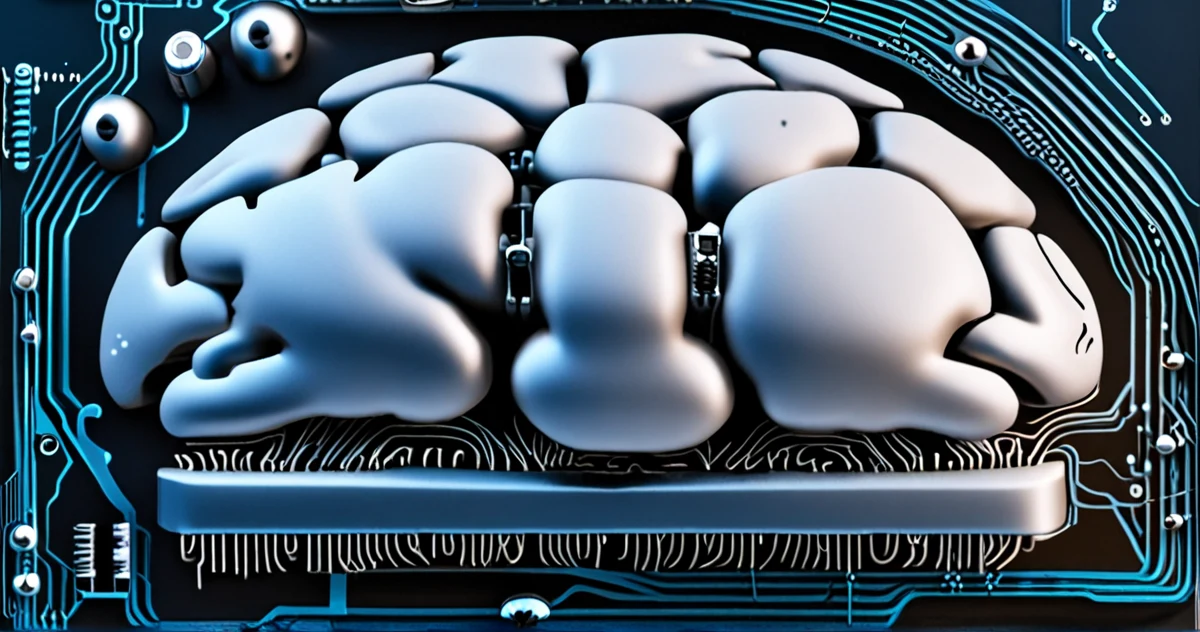
The "brain API" analogy mentioned in the Medium article makes perfect sense here. Just as developers today use REST APIs to interact with cloud services, they might tomorrow use neural APIs to access specific brain functions — with all the ethical considerations that this implies.
Challenges and Ethical Considerations
The development of brain-computer interfaces is not without challenges. An article from Bismarck Analysis highlights that BCIs have only achieved "limited viability" to date, with significant technical and regulatory obstacles. Long-term reliability of implants, security of neural data, and social acceptance represent important barriers.
Main Identified Challenges
Technical challenges:
- Hardware reliability: Lifespan and stability of brain implants
- Interoperability: Standards for different BCI platforms to communicate
- Signal accuracy: Noise reduction and resolution improvement
- Biological compatibility: Brain tissue reaction to implants
Ethical and social challenges:
- Informed consent: How to obtain authentic consent for access to brain data
- Access equity: Preventing this technology from widening digital inequalities
- Neural privacy: Protection against unauthorized access to thoughts
- Human autonomy: Preservation of free will in the face of brain interfaces
Government initiatives like the BRAIN Initiative and DARPA's neurotechnology programs are working to address some of these challenges, but the road to consumer BCIs remains long.
Practical Guide: First Steps in BCI Development
For developers wishing to get started with brain-computer interfaces, here is a recommended progressive approach:
Recommended Development Environment
Tools and technologies:
- Python with signal processing libraries (SciPy, NumPy)
- MATLAB for rapid prototyping
- OpenBCI SDK for accessible hardware
- Cloud platforms for massive data processing
Learning resources:
- Online courses on biomedical signal processing
- Documentation of open-source BCI platforms
- Neurotechnology developer communities
- Academic publications in computational neuroscience
Recommended Learning Steps
- Understand the basics of brain signals (EEG, ECoG, LFP)
- Master neural data preprocessing
- Learn classification algorithms
- Develop simple applications with simulated data
- Test with real hardware once basics are acquired

Future Perspectives: Towards a Mature BCI Development Ecosystem
MarketsandMarkets anticipates that Neuralink and other players will continue to push the boundaries of brain-computer interfaces. Convergence with artificial intelligence could accelerate this evolution, enabling systems capable of learning and adapting to individual neural patterns.
Expected Medium-Term Developments
- BCI Development Kits: Tools allowing developers to test applications with simulated neural data
- Standardized APIs: Programming interfaces for accessing specific brain functions
- Neuroinformatics Application Market: Applications dedicated to cognitive enhancement, communication, and device control
- Specialized Training: Educational programs to train developers in BCI technologies

Developer Roadmap
Short term (1-2 years):
- Familiarize yourself with computational neuroscience concepts
- Explore available BCI SDKs (NeeuroOS, OpenBCI)
- Develop prototypes with simulated data
- Participate in BCI hackathons and competitions
Medium term (3-5 years):
- Master neural signal processing
- Integrate emerging BCI APIs
- Develop validated medical applications
- Contribute to open source neurotechnology projects
Long term (5+ years):
- Create consumer BCI applications
- Develop neuroinformatics application ecosystems
- Contribute to domain standards and ethics
- Innovate in advanced human-machine interfaces
Conclusion: Preparing the Transition to Neuroprogramming
Brain-computer interfaces represent more than just a technological innovation — they herald a paradigm shift in the relationship between humans and technology. Neuralink, with its substantial funding and ambitious vision, plays a catalytic role in this transformation, but the broader BCI ecosystem already offers concrete opportunities for curious developers.
The metaphor of the "brain API" may not be so far from future reality. Just as the web required new developer skills twenty years ago, the advent of BCIs will demand a deep understanding of neural signals, ethics of sensitive data, and human-centered design principles. For visionary developers, familiarizing themselves with these concepts today could represent a significant competitive advantage in the coming decade.
To Go Further
- Medium - Article on the evolution of brain-computer interfaces
- Applyingai - Analysis of Neuralink's funding and clinical trials
- Neuralink - Official website presenting the company's vision
- Sciencedirect - Research on collaborative platforms in neurotechnology
- Insciter - Overview of global BCI developments
- Podcasters Spotify - Discussion on BCI implications
- Brief Bismarckanalysis - Analysis of current BCI limitations
- Marketsandmarkets - Market outlook for Neuralink and BCIs