Introduction
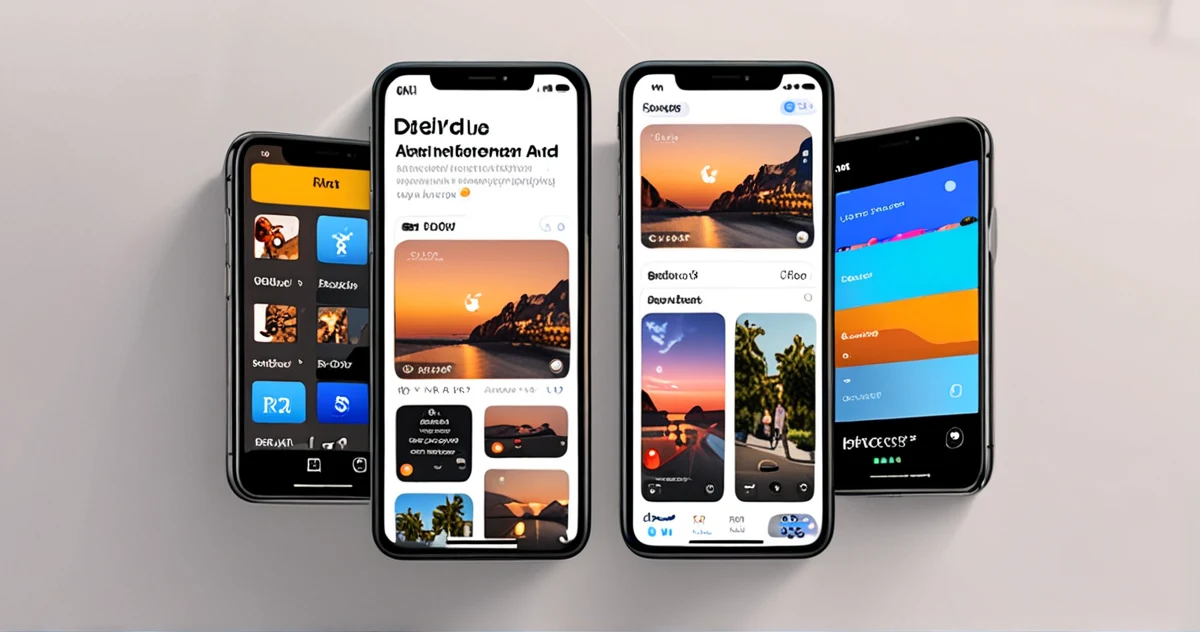
The iOS development landscape is evolving at a rapid pace, driven by emerging technologies that are redefining user expectations. In 2025, two major players, SwiftUI and ARKit, are positioning themselves as essential pillars for developers seeking to innovate. These tools are not mere updates; they represent a paradigm shift towards more intuitive interfaces and immersive augmented experiences.
For digital professionals, mastering these technologies is no longer an option, but a necessity to remain competitive in an ever-evolving market.
SwiftUI: The User Interface Revolution
Declarative vs Imperative Approach
SwiftUI, introduced by Apple, has radically simplified the creation of user interfaces for iOS applications. Unlike its predecessor UIKit, which required manual management of interface elements, SwiftUI adopts a declarative approach. This means developers describe what the interface should do, rather than how it should do it.
Concrete example: To create a button, you simply define its appearance and behavior in a few lines of code, without worrying about implementation details.
> "SwiftUI represents the future of iOS development, with full Apple support making it a strategic choice for new projects."
Key Advantages of SwiftUI
- Accelerated development: Thanks to its concise syntax, prototypes and iterations are faster, reducing time to market
- Native integration: SwiftUI integrates seamlessly with other Apple frameworks, like RealityKit for augmented reality, enabling consistent experiences
- Automatic adaptability: Interfaces automatically adapt to different devices, from iPhone to Apple Vision Pro, without additional code
- Simplified maintenance: Less code to write means fewer potential bugs and easier maintenance
Adoption in 2025
According to discussions on Reddit, many developers recommend starting with SwiftUI in 2025, as it is increasingly adopted and supported by Apple. This makes it an ideal choice for new projects, although UIKit remains relevant for existing applications.
ARKit: Immersion at the Heart of Applications
Evolution Towards Mainstream
ARKit, Apple's augmented reality framework, opens the door to interactive experiences that merge digital and physical worlds. In 2025, it is no longer limited to niche applications; it is becoming a key element for sectors like gaming, education, and commerce.
Concrete use case: Retail applications use ARKit to allow customers to visualize products in their real environment before purchase.
> "ARKit is a revolutionary technology that transforms iOS applications by offering dynamic interactions with the real environment."
Advanced ARKit Features
- Plane estimation: Allows applications to detect and interact with surfaces like floors or walls
- Scene reconstruction: Creates 3D models of the environment in real time, essential for games or design tools
- Hand tracking: Facilitates natural interactions, like in mixed reality applications on Apple Vision Pro
- People occlusion: Virtual objects can pass behind real people for increased realism
Impact of Apple Vision Pro
A Framesixty article highlights how ARKit, combined with devices like Apple Vision Pro, is a game-changer by enabling more immersive mixed reality experiences. Imagine a 3D chess game where pieces appear to be placed on your table: this is the kind of innovation that ARKit makes possible, as illustrated in projects using RealityKit and SwiftUI.
Synergy Between SwiftUI and ARKit: Unified Experiences
Combined Architecture
The combination of SwiftUI and ARKit creates a powerful ecosystem where fluid user interfaces meet augmented reality immersion. Take the example of a multiplayer 3D chess game: SwiftUI manages the user interface, like menus and scores, while ARKit and RealityKit handle 3D rendering and real-time interactions.
Advantages of this synergy:
- Reduced development complexity
- Improved overall performance
- Consistent and fluid user experience
- Simplified maintenance and updates
Orchestral Metaphor
Comparison to a symphony: SwiftUI is like the conductor who coordinates visual elements, while ARKit is the instrument section that brings depth and interaction. Together, they produce a harmonious experience that captivates the user.
Practical Applications
In practical projects, as described on Better Programming, developers use SwiftUI to structure the application and ARKit to integrate augmented elements. This allows, for example, creating:
- Educational applications: Students can manipulate 3D models through an intuitive interface
- Design tools: Visualization of furniture or decoration in a real space
- Immersive games: Gaming experiences that blend reality and virtual
Challenges and Practical Considerations
SwiftUI Learning Curve
Despite its advantages, adopting SwiftUI presents certain challenges:
- Transition from UIKit: The learning curve can be steep for developers accustomed to UIKit
- Advanced features: Some features still require adjustments and workarounds
- Build issues: Object linking issues for simulators, mentioned on Stack Overflow, can slow down development if not anticipated
ARKit Challenges
For ARKit, the main challenges include:
- Optimized performance: AR applications require rigorous resource management to avoid slowdowns, especially on older devices
- Hardware compatibility: Although ARKit is widely supported, the latest features like scene reconstruction may require recent hardware
- In-depth UX design: Creating intuitive AR interfaces requires thorough thinking about user experience, beyond just code
Solutions and Resources
Online resources, like articles from Medium and Better Programming, offer guides to overcome these obstacles, emphasizing:
- Best practices for development
- Rigorous testing on different devices
- Official Apple documentation regularly updated
- Online communities for technical support
Perspectives for 2025 and Beyond
Technological Evolution
Looking to the future, SwiftUI and ARKit should continue to evolve, with deeper integration into the Apple ecosystem. Predicted trends include:
- Apple Vision Pro integration: The arrival of new devices could accelerate augmented reality adoption, making ARKit a standard for consumer applications
- SwiftUI improvements: Management of complex states and interoperability with other platforms
- New APIs: Advanced features for even more immersive experiences
Opportunities for Developers
For developers, investing in these technologies today represents a strategic bet on the future. The benefits include:
- Sought-after skills: Mastery of future technologies
- Competitive salaries: Discussions on Reddit indicate that salaries for iOS developers experienced in these areas remain high
- Continuous innovation: Preparation for future evolutions of the digital landscape
Implementation Guide
Getting Started with SwiftUI
To start with SwiftUI in 2025:
- Basic training: Follow Apple's official tutorials
- Practical projects: Create simple applications to understand fundamental concepts
- Progressive migration: For existing applications, gradually migrate screens to SwiftUI
- Cross-platform testing: Verify behavior on iPhone, iPad, and Apple Vision Pro
ARKit Integration
To integrate ARKit into your projects:
- Needs assessment: Determine if AR brings real added value
- Rapid prototyping: Test concepts with simple prototypes
- Performance optimization: Monitor CPU/GPU usage and memory
- User testing: Validate the experience with real users
Conclusion
SwiftUI and ARKit are redefining iOS development in 2025, offering tools that combine simplicity and power. SwiftUI revolutionizes interface creation with its declarative approach, while ARKit paves the way for immersive augmented experiences.
Their synergy enables building more engaging applications, like 3D games or educational tools, that meet modern user expectations. As we move towards 2025, it is clear that these technologies are not mere trends, but fundamentals for innovation.
By adopting them, developers can not only improve their products, but also anticipate future evolutions of the digital landscape.
Going Further
- Medium - Exploring the power of ARKit in iOS applications
- Better Programming - Guide to creating a 3D chess game with SceneKit and SwiftUI
- Framesixty - Impact of Apple Vision Pro on mixed reality
- Better Programming - Setting up a multiplayer 3D chess game with RealityKit and ARKit
- Reddit - Discussions on choosing between SwiftUI and UIKit
- Reddit - iOS developer salary trends
- Stack Overflow - Resolving build issues in Xcode
- Stack Overflow - Managing configuration files in Xcode
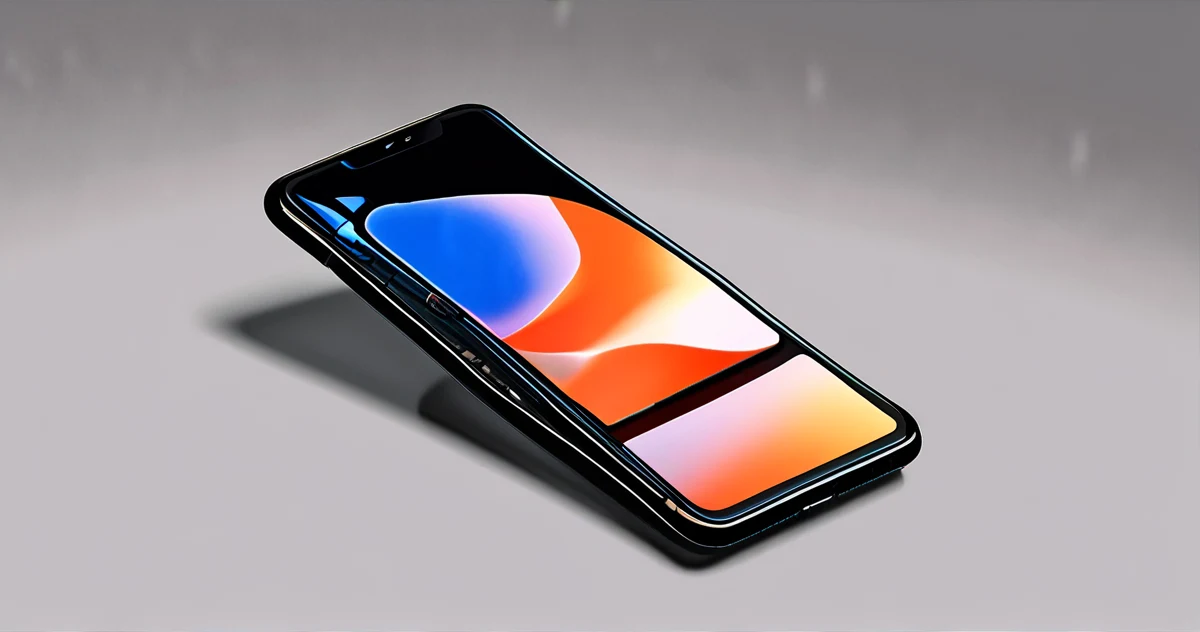
User interface created with SwiftUI showing adaptability to different Apple devices
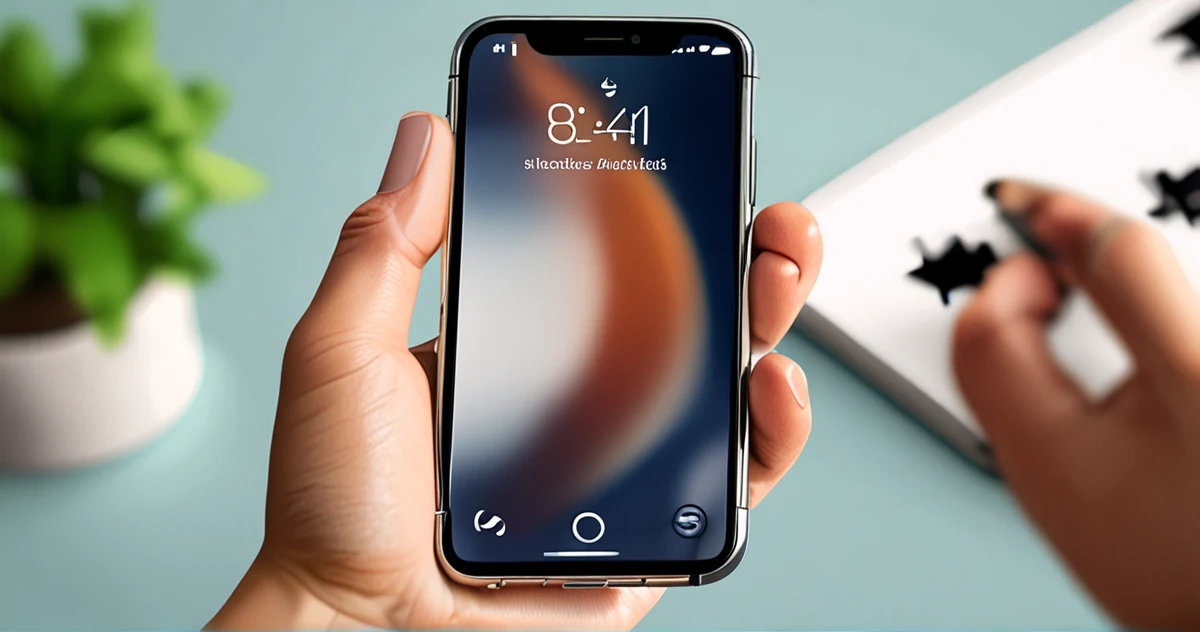
Augmented reality application using ARKit to overlay information on the real environment

Combined architecture showing seamless integration between SwiftUI interface and ARKit elements