Max Pankowski, a psychology student at Harvard and fitness influencer with over 172,000 followers, embodies the modern paradox: how to reconcile academic performance, physical transformation, and the pressure of social media? His case is just a visible example of a broader crisis affecting thousands of content creators.
If you manage influencer campaigns or collaborate with creators, understanding their psychological reality becomes crucial. Burn-out indicators among influencers are reaching alarming levels, calling into question the very sustainability of this economic model. This article explores the mechanisms underlying this crisis and its implications for the digital marketing industry.
Authenticity as a trap: when transparency becomes toxic
Research published on Researchgate clearly identifies the dilemma: influencers are caught between their audience's demand for authenticity and the need to maintain a marketable image. This constant tension creates what psychologists call an "emotional cognitive load" - the mental energy spent managing this precarious balance.
> "The Researchgate study emphasizes that influencers' deceptive practices often stem from systemic pressures rather than individual malice"
Social platforms function like instant validation machines, creating an addiction to metrics that strangely resembles gambling mechanisms. Every like, comment, and share activates the brain's reward circuits, but this intermittent gratification quickly becomes a source of anxiety when performance fluctuates.
Impact on teenagers: a concerning domino effect
The study published in PMC examines how influencer behaviors affect teenagers, revealing a vicious cycle: pressured creators produce content that, in turn, exerts pressure on their young audience. The research proposes a new cartographic approach to understanding these collective psychological dynamics.
Documented consequences include:
- Transmission of unrealistic perfection ideals
- Normalization of work overload and lack of boundaries
- Development of eating disorders and body image issues
- Increase in negative social comparisons
The consequences extend beyond creators' individual well-being. As noted in the ScienceDirect study on platforms, their role in the creative economy raises crucial questions about collective mental health. Algorithms that favor engagement at all costs create an environment where the most polarizing - and often most stressful to produce - content is the most rewarded.
Gig economy pressures: the precariousness behind the glory
The ScholarSpace netnography methodically documents how content creation pressures and other negative aspects of gig economy work push creators to their limits. The report describes how these conditions can trigger genuine mental health crises.
Main identified factors include:
- Income instability despite apparent visibility
- The need to constantly reinvent oneself in the face of changing algorithms
- The blurring of boundaries between personal and professional life
- Management of negative comments and online harassment

Pressure comparison: influencers vs traditional professions
| Aspect | Influencers | Traditional Professions |
|--------|-------------|----------------------------|
| Income stability | Highly variable, depends on algorithms | Generally stable with fixed contracts |
| Work/life separation | Very blurry, 24/7 work | Generally clear, defined schedules |
| Performance evaluation | Instant public metrics | Periodic private evaluations |
| Psychological support | Rarely provided by employer | Often included in benefits |
| Job security | None, depends on popularity | Contracts offering some security |
Towards sustainable solutions: rethinking creator support
The ScienceDirect article on platform roles suggests that modifications in content creation support could help address societal mental health issues. Rather than simply maximizing engagement, platforms could integrate protection mechanisms for creators.
The MDPI analysis on viral marketing and influence highlights the psychological effects of AI-driven content personalization. This perspective opens the way to more ethical approaches where technology serves to protect creators rather than exhaust them.
Identified concrete solutions:
- Mentorship programs between experienced and new creators
- Wellness resources integrated into platforms
- Automatic alerts for risky behaviors
- Stress management training specific to the profession
The comparison with high-level athletes is inevitable: like professional athletes, influencers need mental coaches, recovery periods, and robust support systems. Yet, the industry often treats creators as disposable resources rather than long-term talents.
The urgency of ethical regulation
The research program proposed by the Researchgate study on the dark side of influencers calls for an in-depth analysis of deceptive practices and regulatory challenges. This systemic approach recognizes that solutions must come from platforms, brands, and regulators alike.
Priority actions for marketing professionals:
- Prioritize long-term collaborations over one-off campaigns
- Integrate wellness clauses in influencer contracts
- Educate internal teams about the psychological realities of the influencer profession
- Support creators who speak openly about their mental challenges

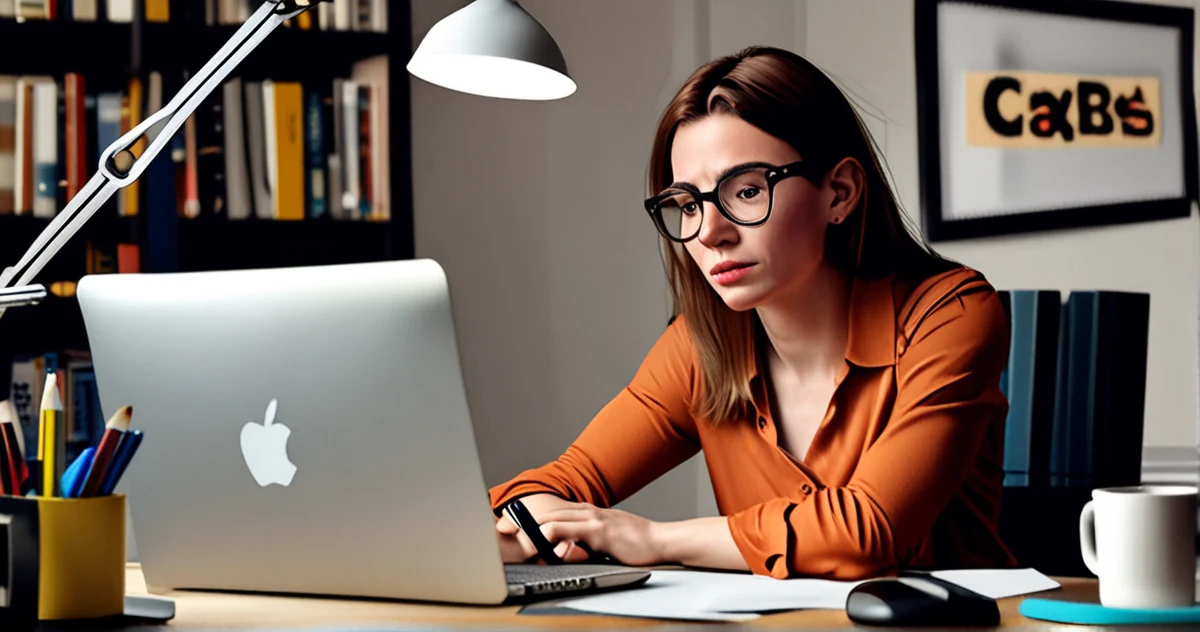
Case study: Max Pankowski, a model of resilience
Max Pankowski's case shows that it's possible to reconcile influence and well-being, but this requires a conscious and structured approach. As a psychology student, he applies his academic knowledge to:
- Establish clear boundaries between studies and content creation
- Use mindfulness techniques to manage stress
- Diversify validation sources beyond social metrics
- Maintain an engaged community without sacrificing authenticity
The industry must evolve from an extractive model to a regenerative one where created value doesn't come at the expense of creators' mental health. The long-term success of influence marketing depends on this essential transition.
To go further
- Researchgate - Analysis of deceptive practices and regulatory challenges of influencers
- PMC - Effect of influencers on teenage behavior
- ScienceDirect - Multidisciplinary perspectives on content creation
- ScienceDirect - Role of platforms in the creative economy
- ScholarSpace - Netnographic study of pressures on influencers
- Spotify for Creators - Interview with Max Pankowski, influencer and psychology student
- MDPI - Viral marketing and psychological effects of AI personalization