Introduction
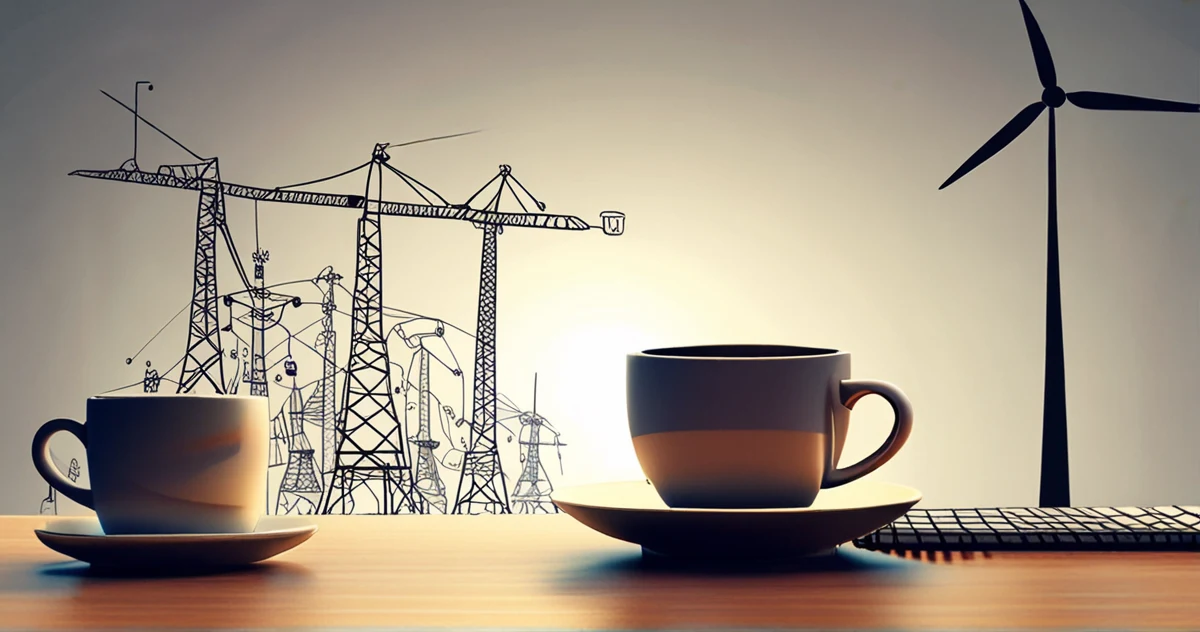
Imagine a developer immersed in their code, a cup of coffee in hand, eyes glued to the screen. This scene, familiar to many, hides a reality: high energy consumption, both for the body and the machines. Yet, a sustainable approach can transform this habit into an efficient and environmentally friendly routine. This article explores how developers can optimize their personal and digital energy management by drawing inspiration from best practices in sustainable development and energy efficiency.
The Analogy of Code and Energy
Why Developers Must Rethink Their Energy Consumption
Like a poorly optimized program, an inefficient energy routine wastes resources. Developers, often subjected to intense work sessions, can benefit from a structured approach, similar to Strategic Energy Management (SEM) in commercial buildings. According to Energy Trust, SEM involves workshops, tracking results, and celebrating progress, creating a culture of efficiency that generates lasting energy savings. Transposed to the individual, this means planning breaks, tracking productivity, and adjusting habits.
The Three Pillars of a Sustainable Energy Routine
1. Hardware and Software Optimization
Just as NYSERDA offers financing programs for clean energy equipment, developers can invest in energy-efficient hardware: low-power laptops, Energy Star certified monitors, and use of power-saving modes. The city of Portland, Maine, enforces strict building codes to reduce building energy consumption – an approach developers can apply to their workspace by optimizing lighting and climate control. For example, turning off unused lights and setting the thermostat to a moderate temperature can reduce the energy bill while improving comfort.
2. Time and Cognitive Resource Management
Like Apex Clean Energy's renewable energy projects that balance production and storage, developers must balance their mental load. The Pomodoro technique, alternating work sessions and breaks, is a form of personal "strategic energy management." Energy Trust's SEM program shows that celebrating progress is crucial – similarly, noting daily accomplishments can boost motivation. By planning regular breaks, one avoids burnout and maintains a steady energy level throughout the day.
3. Sustainable Nutrition and Hydration
Coffee, though stimulating, can cause energy spikes followed by crashes. The United Nations Sustainable Development Goals (via UNDP) include healthy and sustainable diets. For a developer, replacing coffee with alternatives like green tea or active breaks can stabilize energy. The city of Orlando's initiative aligns its strategies with these goals, showing that an integrated approach is possible at all scales. Drinking enough water and consuming nutrient-rich snacks, such as dried fruits, also contributes to better energy management.
Challenging the Belief: More Caffeine Does Not Equal More Productivity
The Myth of the Caffeinated Developer
Many believe caffeine is essential for coding late into the night. However, studies suggest that excessive consumption impairs concentration. Our sources, like SRP, offer rebates for window replacement to improve energy efficiency – an interesting parallel: replacing bad habits (poorly insulated windows) with better ones (regular breaks) can have a significant impact. By adopting a data-driven approach, such as tracking productivity, one can find that shorter but more focused work sessions are often more effective than long hours fueled by caffeine.
Implementing Your Own Personal SEM Routine
Practical Steps
- Energy Audit: For a week, note your energy level and caffeine consumption. Identify peaks and crashes. Use a notebook or app to record this data.
- Planning: As in commercial SEM, schedule workshops (meetings) with yourself to set goals: for example, reduce coffee by 50% or take a 5-minute break every hour. Establish a weekly schedule.
- Tracking Tools: Use apps like RescueTime or Toggl to track your productivity, similar to energy tracking tools. Analyze the data to adjust your routine.
- Celebration: Set milestones (a week without afternoon coffee) and reward yourself, as Energy Trust recommends. This could be a pleasant activity or a small purchase.
Conclusion
Moving from caffeine to sustainable code does not mean giving up coffee, but adopting a conscious management of one's energy, inspired by energy efficiency programs. By optimizing your work environment, time, and diet, you can increase productivity while reducing your carbon footprint. As shown by NYSERDA and Energy Trust initiatives, every action counts. So, ready to rewrite your routine?
Further Reading
- NYSERDA - Residential Financing Programs - Financing for clean energy equipment.
- Energy Trust - Commercial Strategic Energy Management - SEM process for existing buildings.
- SRP - Window Replacement Rebates - Example of energy efficiency incentive.
- City of Portland, Maine - Sustainability Office - Building code and renewable energy goals.
- Apex Clean Energy - Large-scale renewable energy projects.
- UNDP - United Nations Development Programme - Sustainable Development Goals.
- City of Orlando - 2026 Community Action Plan - Alignment with SDGs.