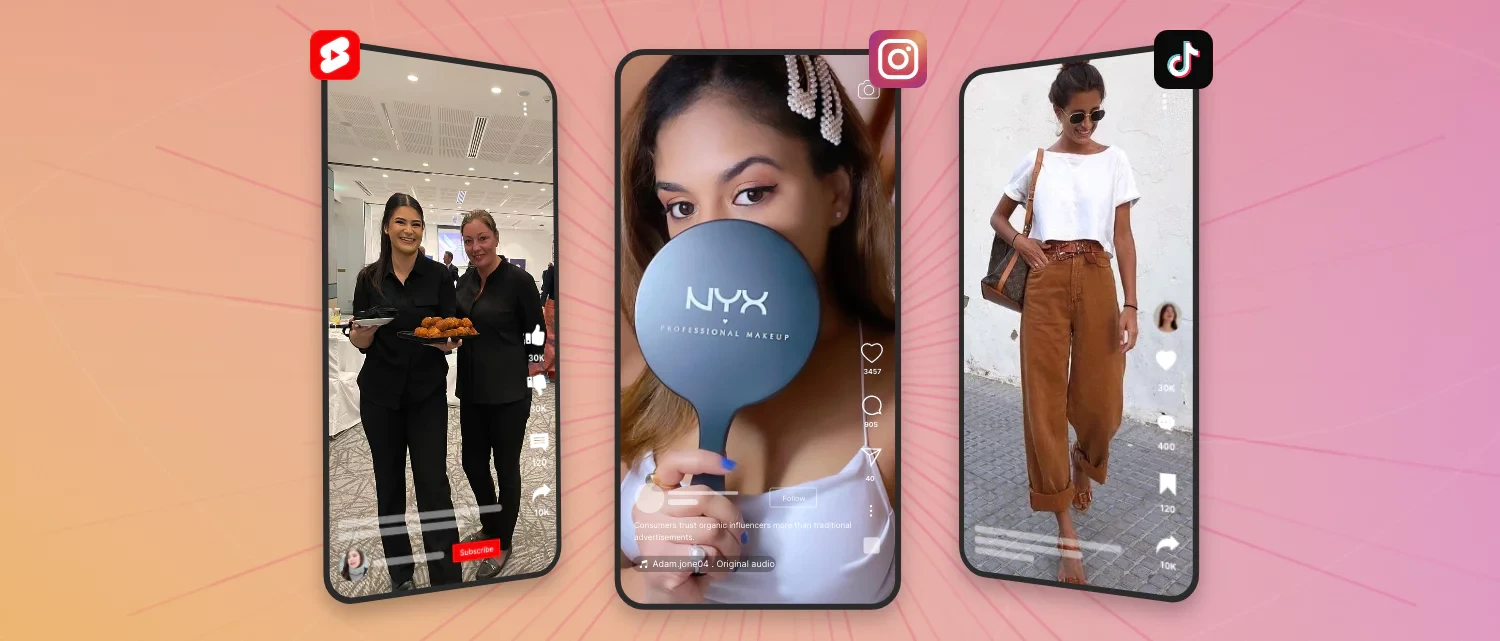
Cross-Platform Content Strategy: Mastering YouTube and TikTok

In today's digital ecosystem, focusing on a single social platform has become a limiting approach. Successful creators and brands understand the necessity of a multi-platform presence, particularly on YouTube and TikTok - two giants with distinct but complementary dynamics. While TikTok continues to gain popularity, marketers need to know how to integrate this platform into their strategy while recognizing what differentiates it, as highlighted by Marketingdive.
The main challenge lies not in simply duplicating content, but in creating a coherent strategy that values the specificities of each channel. For digital professionals, mastering this duality represents a significant competitive advantage, allowing them to reach diverse audiences and maximize the impact of each creation.

Understanding the Fundamental Differences Between YouTube and TikTok
Before developing a cross-platform strategy, it's crucial to understand the distinct characteristics of each platform. According to Micaela Abrahams, Senior Campaign Manager at impact.com, "YouTube excels as a platform for long-format storytelling, while TikTok thrives on short and highly engaging content." This fundamental distinction should guide your creation approach.
YouTube: The Durable Content Library
YouTube's Strengths:
- Search platform and in-depth discovery
- Durable content and evergreen with long lifespan
- Mature audience seeking comprehensive tutorials and long entertainment
- Optimized for SEO and organic discovery
- Advanced monetization via ads, subscriptions, and partnerships
TikTok: The Viral Discovery Stream
TikTok's Unique Characteristics:
- Entertainment platform that is immediate and spontaneous
- Ephemeral content and viral with short lifespan
- Algorithm based on rapid engagement and trends
- Focus on authenticity and raw creativity
- Young community and highly engaged
Detailed Comparison Table: YouTube vs TikTok
| Characteristic | YouTube | TikTok |
|---------------------|-------------|------------|
| Optimal Duration | 8-15 minutes | 15-60 seconds |
| Content Type | Educational, tutorials, long entertainment | Fast entertainment, trends, challenges |
| Target Audience | 25-45 years | 16-24 years |
| Main Objective | Loyalty and authority | Discovery and virality |
| Publication Frequency | 1-3 times/week | 3-7 times/week |
| Dominant Video Format | Landscape (horizontal) | Portrait (vertical) |
| Essential Sound | Professional audio | Trending music and viral sounds |
Why the Cross-Platform Approach is Essential Today
The complementarity between YouTube and TikTok represents a unique opportunity for creators and brands. This approach allows you to capture different audiences and maximize the impact of each produced content. Here are the key advantages of a well-orchestrated strategy:
Strategic Advantages:
- Expanded reach towards different audience segments
- Algorithmic resilience in the face of platform changes
- Resource optimization through intelligent repurposing
- Accelerated growth through cross-platform leverage
Adapt Content Rather Than Duplicate: Practical Guide
The temptation to simply republish the same content on both platforms is strong, but this approach ignores the specific expectations of each audience. As Air notes, when repurposing YouTube content for TikTok and Instagram, the goal is to "create a cross-platform narrative where each excerpt fuels interest towards your main channel."
Concrete Example of Content Transformation
A 15-minute tutorial on YouTube can be broken down into:
- 3-4 TikTok videos highlighting the most impactful key moments
- A creative teaser showing the final result in an engaging way
- A problem excerpt presenting the solved problem with emotion
- A technical preview of the tools or methods used
- A call to action inviting viewers to see the full version on YouTube
This approach transforms a single content element into multiple entry points, each optimized for the target platform and its specific audience.
Developing an Intentional and Effective Content Calendar
Managing a multi-platform presence requires rigorous planning. As Nealschaffer emphasizes, "an effective cross-platform strategy requires intentional management of the content calendar." This planning must consider the optimal publication rhythms for each platform.
Key Elements of a High-Performing Cross-Platform Calendar
Typical Weekly Planning:
- Monday: Main YouTube publication + TikTok teaser
- Tuesday: Original TikTok content + Instagram stories
- Wednesday: YouTube excerpts on TikTok + community engagement
- Thursday: Second TikTok publication + performance analysis
- Friday: Light content + preparation for next week
Essential Coordination:
- Unified themes across all platforms
- Consistent messages with adapted tone
- Strategic cross-promotion at optimal times
- Regular analysis of performance and adjustments

Maximizing Impact with an Integrated Multi-Platform Approach
The true power of a cross-platform strategy lies in how the platforms reinforce each other. Appnova highlights that "the multi-platform strategy is key - brands won't choose a single platform; they will reuse content on TikTok, Instagram, YouTube Shorts, and..."
Complementary Roles of Platforms
YouTube as Central Pillar:
- Content depth and demonstrated expertise
- Long-term audience loyalty
- Digital authority and professional credibility
- Stable monetization and revenue diversification
TikTok as Growth Accelerator:
- Massive discovery of new audiences
- Immediate virality and trending potential
- Rapid testing of concepts and formats
- Community engagement that is spontaneous and authentic
Creating Engaging and Effective Content: Fundamental Principles
Regardless of the platform, certain fundamental principles apply to creating engaging content. Hootsuite recommends developing "engaging and effective social media content" by focusing on the components of an excellent post.

Characteristics of High-Performing Content on Both Platforms
Immediate and Lasting Value:
- Problem solving for concrete audience needs
- Authentic entertainment that creates emotional connection
- Accessible learning with clear takeaways
- Actionable inspiration that motivates action
Essential Technical Optimization:
- Quality sound that is professional and clear
- Optimal lighting for perfect visibility
- Dynamic editing adapted to the platform's rhythm
- Strategic call-to-action that guides the audience
Advanced Cross-Promotion Strategies
Success on both platforms doesn't mean working twice as hard, but working smarter. As Versacreative suggests in the context of YouTube Shorts vs. TikTok, "if you plan to publish on both platforms," a strategic approach is essential.
Proven Cross-Promotion Approaches
Typical Promotion Sequence:
- Intriguing teaser on TikTok 2-3 days before YouTube release
- Exclusive excerpt on each platform on launch day
- Behind-the-scenes on Instagram Stories during production
- Cross call to action that guides audience between platforms
- Optimal use of native features (links in bio, end cards)
Example Acquisition Funnel:
TikTok → YouTube → Newsletter → Community
Advanced Repurposing Techniques
YouTube to TikTok Content Transformation
Effective Conversion Methods:
- Extraction of highlights from a long video
- Creation of mini-tutorials from specific segments
- Showcasing results in a visually impactful way
- Using frequently asked questions as standalone content
Concrete Example:
A 20-minute cooking tutorial can become:
- 4 TikTok videos showing key techniques
- 1 video of the final result with "wow" effect
- 2 bonus tip videos not included in the long version
- 1 accelerated ingredient preparation video
Optimized Content Formats by Platform Table
| Content Type | YouTube | TikTok |
|---------------------|-------------|------------|
| Tutorials | Complete step-by-step guide | Quick tip in 30 seconds |
| Entertainment | 10-15 minute vlog | 45-second humorous sketch |
| Educational | In-depth 20-minute course | Interesting fact in 15 seconds |
| Promotional | Detailed product demonstration | Accelerated and creative unboxing |
How to Structure Your Production Workflow
The effectiveness of a cross-platform strategy depends on a well-organized workflow. Here are the key steps to optimize your creation process:
Optimized 5-Step Workflow:
- Strategic Planning: Define monthly objectives and themes
- Main Production: Create long-format content for YouTube
- Intelligent Extraction: Identify segments suitable for TikTok
- Platform Adaptation: Re-edit and optimize for each channel
- Coordinated Publication: Schedule with strategic timing
Measuring and Optimizing Your Strategy: Essential Metrics
A cross-platform strategy is not static - it requires continuous evaluation and adjustments based on performance. Monitor key metrics on both platforms and identify patterns that indicate what works best.
Essential Data Points to Monitor Monthly
Engagement and Performance:
- Comparative engagement rate on each platform
- Cross-traffic measured between YouTube and TikTok
- Watch time and audience retention rate
- Conversion rate of cross-platform calls to action
Growth and Impact:
- Audience evolution overall and by platform
- Subscriber quality and community engagement
- Impact on brand awareness or personal branding
- Return on investment time/content vs results
Key Metrics by Platform Table
| Metric | YouTube | TikTok | Objective |
|--------------|-------------|------------|--------------|
| Engagement Rate | 5-10% | 8-15% | Maximize interaction |
| Average Watch Time | 60-70% | 80-90% | Maintain attention |
| Conversion Rate | 3-7% | 2-5% | Guide towards action |
| Subscriber Growth | 5-10%/month | 10-20%/month | Expand audience |
Implementation: Practical Steps to Start Effectively
Existing Content Audit: Complete Checklist
Quantitative Analysis:
- [ ] Identify top-performing content on each platform
- [ ] Analyze obvious repurposing opportunities
- [ ] Evaluate narrative consistency cross-platform
- [ ] Measure current weak points and gaps
Qualitative Analysis:
- [ ] Understand specific expectations of each audience
- [ ] Identify high-performing themes on each platform
- [ ] Analyze successful competition and best practices
- [ ] Define your unique positioning cross-platform

Strategic Planning: 4-Step Roadmap
Phase 1: Foundations (2 weeks)
- Complete audit of existing content
- Definition of SMART objectives per platform
- Identification of available resources
Phase 2: Experimentation (4 weeks)
- Testing different repurposing formats
- Measuring initial performance
- Strategy adjustment based on data
Phase 3: Optimization (8 weeks)
- Scaling successful approaches
- Refining editorial calendar
- Developing automation
Phase 4: Excellence (ongoing)
- Constant format innovation
- Expansion to new platforms
- Global business impact measurement

Tools and Resources to Optimize Your Workflow
Recommended Applications for Cross-Platform Management
Planning and Scheduling:
- Hootsuite for multi-platform management
- Buffer for content scheduling
- Later for visual planning
Creation and Editing:
- Canva for visuals and thumbnails
- CapCut for mobile video editing
- Descript for transcript-based editing
Analytics and Tracking:
- Google Analytics for cross-platform traffic
- TubeBuddy for YouTube optimization
- Social Blade for comparative statistics
Avoiding Common Cross-Platform Strategy Pitfalls
Mistakes to Absolutely Avoid
Pitfall #1: Pure and Simple Duplication
- Publishing the same content without adaptation
- Ignoring algorithmic specificities
- Neglecting audience expectations
Pitfall #2: Work Overload
- Trying to do everything simultaneously
- Neglecting automation and tools
- Forgetting performance analysis
Pitfall #3: Brand Inconsistency
- Contradictory messages between platforms
- Tone inappropriate for context
- Fragmented visual identity
Practical Solutions for Each Pitfall
To Avoid Duplication:
- Create adaptation templates per platform
- Develop transformation workflows
- Train the team on each channel's specificities
To Avoid Overload:
- Prioritize platforms according to your objectives
- Automate repetitive tasks
- Outsource non-strategic activities
To Maintain Consistency:
- Establish cross-platform guidelines
- Centralize asset management
- Train a versatile team
Advanced Optimization: Strategies to Maximize Results
In-Depth Competitive Analysis
Steps for Effective Analysis:
- Identify 3-5 direct competitors on each platform
- Analyze their cross-platform content strategy
- Study their engagement rates and performance patterns
- Identify unexploited opportunities in your niche
Content Personalization by Audience
Specific Adaptations by Platform:
- YouTube: In-depth educational content with storytelling
- TikTok: Authentic moments and viral trends
- Smooth transition between the two with strategic calls-to-action
Quick Implementation Checklist
Immediate Actions to Implement:
- [ ] Audit your existing content on both platforms
- [ ] Identification of the 3 most performing contents
- [ ] Planning of a cross-platform calendar for the next 2 weeks
- [ ] Creation of YouTube→TikTok adaptation templates
- [ ] Configuration of performance analysis tools
Conclusion: Towards an Integrated and High-Performing Digital Presence
Developing a content strategy that thrives on both YouTube and TikTok is no longer a luxury, but a necessity in today's digital landscape. By understanding the unique strengths of each platform and creating an integrated approach, you can maximize your reach, engage diverse audiences, and build a resilient digital presence.
The future of digital content belongs to those who can navigate nimbly between different platforms, creating consistent but context-adapted experiences. Start by auditing your existing content, identify repurposing opportunities, and gradually develop a strategy that leverages the full potential of this cross-platform approach.
Going Further: Additional Resources
- Impact - Multi-platform creator partnerships: Monetization strategies
- Nealschaffer - TikTok vs Instagram: How to maximize content on both sites
- Marketingdive - Using both platforms for ultimate success
- Appnova - The rise of short-form video content in 2025
- Air - How to repurpose YouTube content for TikTok and Instagram
- Hootsuite - Create engaging and effective social media content
- Versacreative - YouTube Shorts vs. TikTok: Which short-form video platform is better