
Creating a Profitable Online Course: Step-by-Step Guide for Experts

In an ever-evolving digital landscape, business experts have a unique opportunity: monetize their knowledge by creating online courses. This approach is not limited to sharing knowledge; it's about structuring educational content that meets market needs while generating sustainable revenue. For digital professionals, mastering this process has become a strategic asset, allowing them to diversify their activities and expand their audience. In this article, we will explore the key steps, based on verified sources, to develop a successful online course, from the initial idea to commercialization.
The main challenge lies in the ability to transform sharp business expertise into an attractive and accessible product. Too many experts start without adequate planning, which can lead to costly failures in time and resources. By following a structured approach, you can avoid these pitfalls and maximize your chances of success. This article will guide you through the essential phases, focusing on proven methods to target your audience, design engaging content, and effectively promote your course. Get ready to discover how to confidently bring your project to life.

Analyze the Market and Define Your Target Audience
The first step, crucial for any online course project, is to analyze the market and precisely identify your target audience. According to Thinkific, this initial phase allows you to validate the relevance of your idea and avoid developing content that does not meet expectations.
Evaluate Market Demand
Start by evaluating demand: what are the unmet problems or needs in your area of business expertise? For example, if you are a cybersecurity specialist, you might target small businesses looking to secure their systems. Use tools like online surveys or trend analyses to gather data on the interests of your potential audience.
Effective Methods for Market Analysis:
- Surveys with your existing audience
- Analysis of Google search trends
- Study of competition and market gaps
- Consultation with domain experts
Segment Your Target Audience
Next, clearly define your audience. According to Wix, this involves segmenting your audience based on criteria such as:
- Skill level (beginner, intermediate, advanced)
- Specific professional goals
- Particular challenges they face
- Budget and investment capacity
For example, a course on digital marketing could target independent entrepreneurs wanting to improve their online presence. This analysis helps you adapt the content and tone of your course, ensuring it resonates with learners and increases conversion rates. Remember that, as Raccoon Gang points out, this step can take 30 to 40 hours and often involves consultations with business experts to refine your approach.
Structure Content and Choose the Right Media
Once the target audience is defined, move on to structuring your course content. According to Learnworlds, it is essential to divide your business expertise into logical and progressive modules, each focused on a specific learning objective.
Modular Content Organization
Example of Modular Structure:
For a course on website creation, you might include:
- Module 1: HTML basics and web structure
- Module 2: CSS integration and responsive design
- Module 3: Deployment on platforms like Wix
- Module 4: SEO optimization and performance
Use storyboards or mind maps to organize ideas, ensuring that each lesson builds on the previous one to maintain engagement and ensure logical progression.
Selection of Educational Media
The choice of educational media is equally important. Mix different formats to cater to various learning styles:
Recommended Formats:
- Explanatory videos with demonstrations
- Detailed texts with concrete examples
- Interactive quizzes to validate learning
- Real and applicable case studies
- Practical exercises with solutions
Thinkific recommends including practical elements, such as exercises or projects, to reinforce knowledge retention. For example, in a project management course, you could offer a simulation where learners plan a real project. Ensure the content is accessible, with subtitles for videos and downloadable resources, to reach a broader audience, including those with disabilities.
Choose the Ideal E-Learning Platform
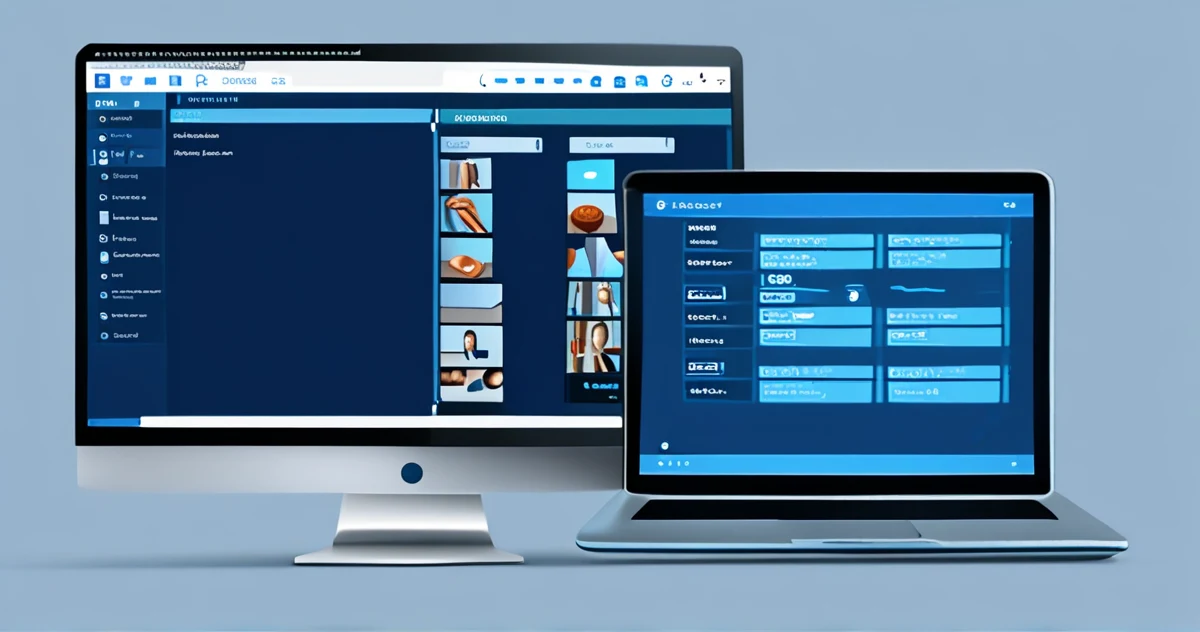
The selection of the right e-learning platform is a strategic decision for hosting and selling your course. According to SafetyCulture, there are many options, ranging from all-in-one solutions like Learnworlds to more specialized tools.
Essential Selection Criteria
Evaluate criteria such as:
- Ease of use for you and your learners
- Transaction fees and business model
- Integrated marketing features
- Analysis tools and performance tracking
- Technical support and user community
For example, a platform like Thinkific offers customizable templates and analysis tools to track learner performance, which can help optimize your course after launch.
Comparison of E-Learning Platforms
| Platform | Ease of Use | Transaction Fees | Marketing Features | Target Audience |
|------------|------------------------|---------------------|--------------------------|--------------|
| Thinkific | Excellent | Variable | Comprehensive | All levels |
| Learnworlds | Good | Competitive | Advanced | Professionals |
| Wix | Simple | Included | Basic | Beginners |
| SafetyCulture | Specialized | Custom | Limited | Businesses |

Plan and Execute the Launch
The launch itself requires meticulous planning. Wix suggests creating a compelling sales page, highlighting the benefits of the course rather than its technical features.
Key Elements for a Successful Launch
Effective Launch Strategies:
- Sales page optimized with testimonials
- Free demonstrations or content previews
- Live presentation webinars
- Launch offers with limited discounts
- Promotion plan on social media
For example, organize a live session where you present a content preview, and offer limited discounts to boost enrollments. After launch, monitor learner feedback through surveys or online discussions, and be ready to iterate on the content to continuously improve it.
Continuous Optimization and Improvement
Creating an online course does not stop at launch. Continuous optimization is essential to maintain the relevance and quality of your training.
Collecting and Analyzing Feedback
Methods for Gathering Feedback:
- Post-training satisfaction surveys
- Analysis of completion rates by module
- Discussions with learners via forums
- Review of the most difficult quizzes and exercises
Content Updates
Plan regular revisions to:
- Update outdated information
- Integrate new industry trends
- Improve media based on feedback
- Add complementary content

Advanced Monetization Strategies
To maximize the profitability of your online course, explore different monetization strategies:
Pricing Models
Effective Pricing Options:
- One-time access with single payment
- Monthly subscription for regular content
- Bundled packages with multiple courses
- Premium training with individual coaching
- Enterprise licenses for teams
Upselling Techniques
Methods to Increase Value:
- Bundled offers with complementary products
- Progressive training levels
- Access to a private community
- Additional coaching sessions

Measure and Analyze Performance
Performance tracking is crucial to optimize your online course and maximize its impact.
Key Metrics to Monitor
Essential Performance Indicators:
- Completion rate by module and overall
- Learner satisfaction rate
- Revenue generated and conversion rate
- Retention rate and dropout rate
- Qualitative feedback and suggestions
Recommended Analysis Tools
Solutions for Tracking:
- Integrated dashboards on platforms
- Google Analytics for web traffic
- Survey tools like Typeform
- Real-time feedback systems
Develop an Effective Marketing Strategy
A solid marketing strategy is essential to attract learners to your online course. According to digital marketing experts, a multi-channel approach yields the best results.
Recommended Promotion Channels
Effective Platforms for Promotion:
- Professional social networks (LinkedIn, Twitter)
- Blog and free educational content
- Email marketing with automated sequences
- Partnerships with industry influencers
- Targeted advertising on search engines
Example Marketing Calendar
8-Week Planning:
- Weeks 1-2: Creation of teaser content
- Weeks 3-4: Launch of early registrations
- Weeks 5-6: Targeted advertising campaigns
- Weeks 7-8: Intensive promotion before opening
Managing the Learner Community
Creating an active community around your course can significantly enhance the online learning experience and increase retention.
Benefits of an Engaged Community
Key Benefits:
- Peer support and collaboration
- Experience sharing and best practices
- Continuous feedback to improve content
- Natural ambassadors for your brand
- Reinforcement of learner motivation
Tools for Animating Your Community
Recommended Solutions:
- Dedicated forums on your platform
- Private groups on social networks
- Live Q&A sessions
- Community challenges and contests
- Networking spaces between learners
Project Planning and Management
Creating a successful online course requires rigorous project management to meet deadlines and maintain quality.
Essential Planning Steps
Key project phases:
- Phase 1: Research and validation (2-3 weeks)
- Phase 2: Content structuring (3-4 weeks)
- Phase 3: Production of materials (4-6 weeks)
- Phase 4: Testing and validation (1-2 weeks)
- Phase 5: Launch and promotion (2-3 weeks)
Recommended Management Tools
Solutions to organize your project:
- Trello or Asana for task tracking
- Google Drive for resource storage
- Shared calendar for deadlines
- Real-time collaboration tools
Profitability and ROI Assessment
Understanding the profitability of your online course is essential for making informed decisions and optimizing your investment.
Cost and Revenue Calculation
Elements to consider:
- Development costs (time, equipment, software)
- Platform fees and transaction fees
- Marketing investments and advertising
- Potential revenue based on your pricing model
- Expected return on investment
Profitability Optimization
Strategies to improve profitability:
- Price increase based on perceived value
- Cost reduction through efficient tools
- Audience expansion through marketing
- Creation of complementary products
- Process automation
Final Validation Checklist
Before launching your course, ensure all these elements are in place:
Technical and pedagogical validation:
- ✅ Structured content in progressive modules
- ✅ Varied and accessible educational materials
- ✅ Tests and quizzes to validate learning
- ✅ Intuitive and responsive user interface
- ✅ Mobile and desktop compatibility
Marketing and commercial validation:
- ✅ Optimized and convincing sales page
- ✅ Multi-channel promotion strategy
- ✅ Secure payment system
- ✅ Operational customer support
- ✅ Post-launch communication plan
Conclusion: From Expertise to Lasting Impact
In summary, creating a profitable online course requires a methodical approach, from market analysis to active promotion. By following these steps, you can transform your professional expertise into a valuable educational tool capable of generating revenue while having a positive impact on your audience. The key to success lies in adaptability: stay attuned to feedback and emerging trends to refine your offering.
As the online learning landscape continues to evolve, a question arises: how can industry experts not only follow but also anticipate future needs to maintain the relevance of their courses? By integrating technological innovations and fostering a learning community, you can ensure the longevity of your project. Take action today—your expertise deserves to be shared and valued.
To Go Further
- Thinkific - 10-step guide to creating a successful online course
- Wix - Steps to create and sell a profitable online course
- Learnworlds - Step-by-step guide to creating online training
- Raccoon Gang - ADDIE methodology for course development
- SafetyCulture - Comparison of online course platforms