Imagine a diabetic patient whose smartwatch sends their blood glucose levels in real-time to their doctor via a customized interface. This integration is no longer science fiction, but a reality made possible by combining React, Node.js, and wearable APIs. For developers, mastering this technical stack becomes a key asset in the digital healthcare landscape.
The stakes are high: according to Sumatosoft, healthcare software development projects must adhere to strict standards like HIPAA for confidentiality and FHIR for data exchange. This article guides you through the technical steps and best practices for building a reliable health dashboard, leveraging proven technologies like React for the frontend and Node.js for the backend.
We will first explore the challenges of data integration, then the technical choices, and finally how to ensure compliance with regulations.
Why is integrating wearables into medical records so complex?
Wearables generate heterogeneous data streams – heart rate, steps, sleep – that must be standardized before integration into EMR/EHR systems. Nirmitee emphasizes that the wearable device revolution requires robust APIs to ensure enhanced patient monitoring. For example, an Apple Watch heart rate sensor uses a different format than a Fitbit, requiring an abstraction layer to unify the data.
The challenges include:
- Interoperability: Manufacturer APIs (like Samsung Health) vary, requiring adapters.
- Data volume: Wearables produce continuous data, demanding scalable backends.
- Security: Health data is sensitive and must be protected in accordance with HIPAA.
Without a solid architecture, the risks of errors or data breaches are high.
Node.js and React: a winning duo for backend and frontend
Node.js, with its non-blocking model, is ideal for handling asynchronous wearable data streams. Diversido describes it as a powerful JavaScript runtime for building high-performance backend systems and APIs. In a health dashboard, Node.js can process simultaneous requests from multiple devices without slowing down the user interface.
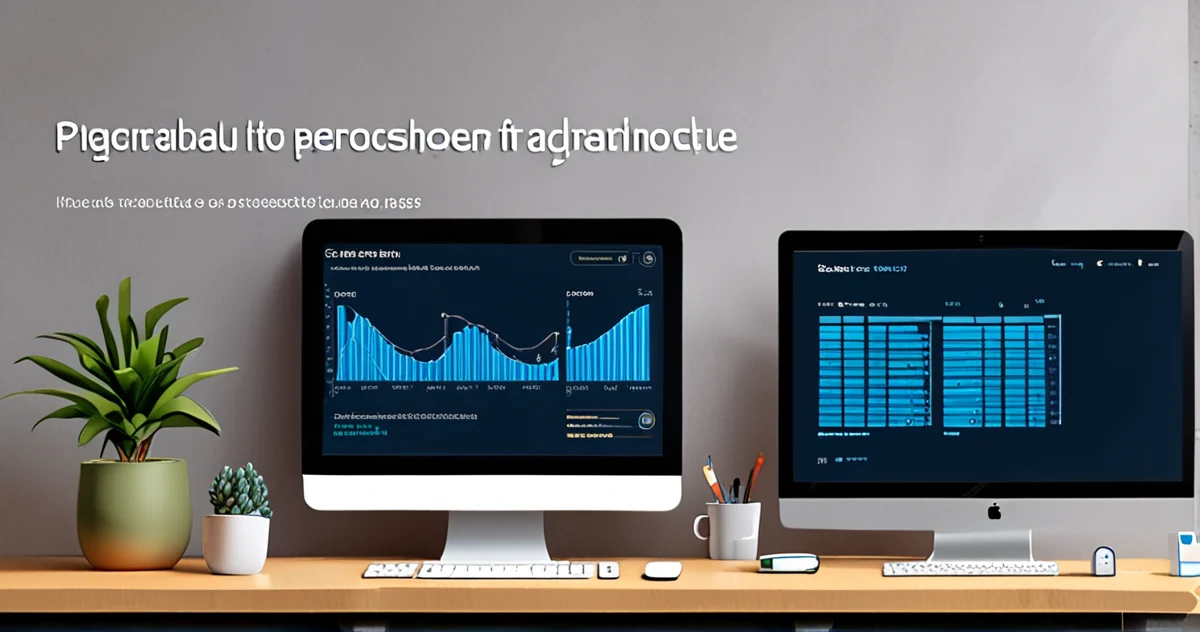
React, on the frontend, enables the creation of dynamic and responsive interfaces. Mindbowser recommends React Native or Flutter for mobile applications, but React (with frameworks like Next.js) excels for web dashboards. For example, a React component can display real-time updated heart rate trend charts via WebSockets.
Comparison of technologies for wearable integration:
| Component | Recommended Technologies | Advantages |
|---------------|--------------------------------|---------------|
| Backend API | Node.js, Python, .NET | Scalability, asynchronous support |
| Frontend | React, Angular | Interactivity, rich ecosystem |
| Data integration | FHIR, HL7 | Standardization, compliance |
This table draws on insights from Tateeda and Sumatosoft, who cite Node.js, Python, React, and Angular as common choices for similar projects.
Integrating wearable APIs: practical steps and code examples
To connect a wearable like a Samsung Galaxy Watch, the Health Connect API (mentioned on Reddit) allows remote access to data. Here is a typical approach:
- Authentication: Use OAuth 2.0 to secure access to wearable APIs.
- Data extraction: Develop Node.js endpoints that query the APIs (example: retrieve daily steps).
- Transformation: Normalize data into standard formats like FHIR for EMR/EHR integration.
Simplified example in Node.js to fetch data:
const axios = require('axios');
async function fetchHealthData(deviceApiUrl, token) {
  try {
    const response = await axios.get(deviceApiUrl, {
      headers: { Authorization: `Bearer ${token}` }
    });
    return response.data; // Raw data to transform
  } catch (error) {
    console.error('API integration error:', error);
  }
}
On the React side, a useEffect hook can update the interface with this data, displaying for example a progress gauge for physical activity.
Ensuring HIPAA compliance and data security
Health dashboards handle protected information, requiring strict measures. Sumatosoft and QSSTechnosoft emphasize using HIPAA-compliant APIs, with data encryption in transit and at rest. For example, Node.js can integrate libraries like crypto for encryption, while React should avoid storing sensitive data in localStorage.
Key points:
- Encryption: Use TLS for communications and encrypt databases.
- Access controls: Implement multi-factor authentication for users.
- Audit: Log data access to track activities.
According to Biz4Group, even AI-based health assistants must follow these principles to avoid fines or reputational damage.
Beyond development: impact on care and the future
Integrating wearables via React and Node.js is not just about technology – it transforms care. A dashboard allows doctors to detect anomalies earlier, such as an irregular heart rate reported by a smartwatch. Mindbowser predicts that by 2025, these integrations will become standard in health applications, with an emphasis on AI for predictive analysis.
But this raises ethical questions: how to balance innovation and privacy? Developers have the responsibility to design transparent systems where patients control their data. In the future, interoperability between wearables and EMR/EHR could reduce medical errors, but only if standards like FHIR are widely adopted.
In summary, building a health dashboard with React and Node.js requires technical mastery, but the potential impact on patient health is worth it. By starting with simple prototypes and adhering to security best practices, you can contribute to a more connected and personalized healthcare. What will be the next wearable innovation that revolutionizes your development approach?
To go further
- Sumatosoft - Top Healthcare Software Developers for HIPAA & FHIR Projects
- Nirmitee - EMR/EHR Integration with Wearables for Patient Care
- Tateeda - Integrate Wearable Device Data into EHRs with AI Intelligence
- Mindbowser - Wearable Devices App Development for Healthcare 2025
- Diversido - Digital Health App Development & HIPAA-Compliant Solutions
- QSSTechnosoft - Telemedicine & Telehealth Software Development
- Biz4group - AI Health Assistant App Development: Cost, Features, and More