
Introduction
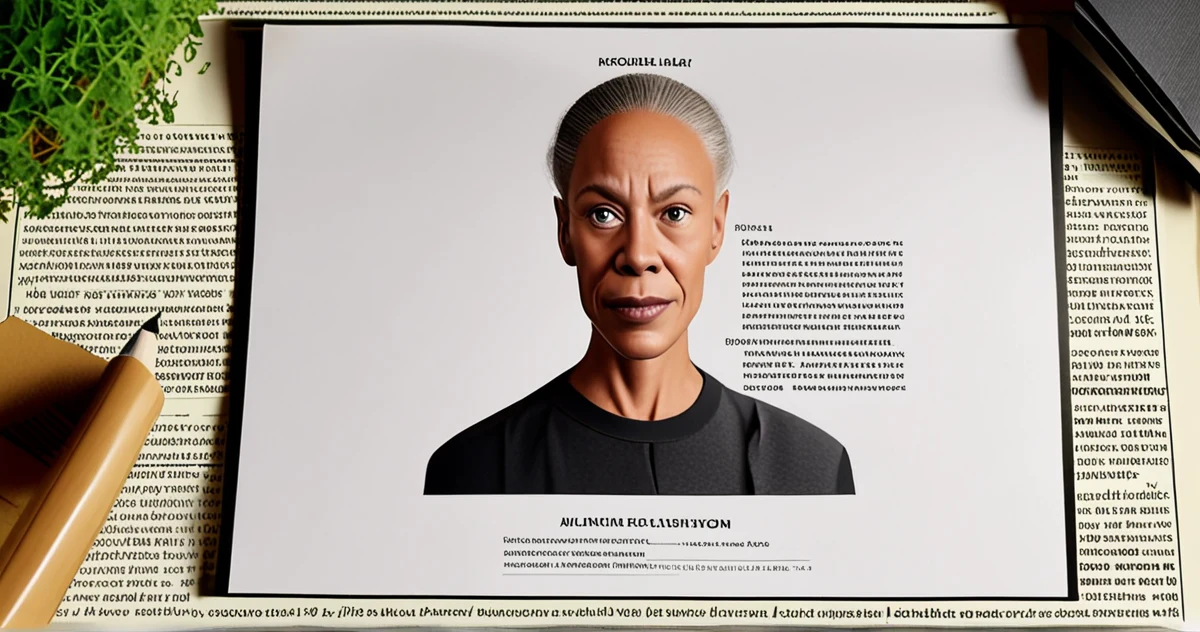
Artificial intelligence has opened an era of unprecedented creativity, but it has also given rise to an insidious threat: celebrity deepfakes. These AI-generated videos, images, or audio are so realistic that they blur the line between reality and fiction, creating fertile ground for digital identity theft. For digital professionals, understanding this evolution is crucial, as it reflects broader challenges in online security and content authenticity.
In this article, we will explore how Hollywood, faced with the explosion of these unauthorized deepfakes, is mobilizing to protect its talents and their image. From financial scams to reputational damage, the stakes are multiple. We will examine the strategies deployed, from legislative actions to technological initiatives, and analyze why this battle goes beyond the simple framework of entertainment.
The Emergence of Deepfakes: A Threat to Digital Authenticity
Deepfakes, these falsified media generated by artificial intelligence, represent a serious threat to digital authenticity. According to an analysis by Forensic Expert Investigation, these realistic creations compromise trust in online content, undermining the foundations of truth in the digital age. For celebrities, this translates into increased vulnerability: their image can be exploited without consent, leading to scams or reputational damage.
Imagine a master painting so perfectly forged that it fools even experts: that is the analogy illustrating the challenge posed by deepfakes. Advances in AI now allow the creation of videos where stars appear to say things they never said, paving the way for malicious manipulations. As noted by the TIM Review, this emerging technology raises crucial questions about combating media falsifications, a field where entrepreneurs see opportunities to develop solutions.
Identified Risks for Celebrities
- Identity theft: Unauthorized use of digital image
- Spread of false information: Creation of misleading content
- Unauthorized commercial exploitation: Use for profit without consent
Impact on Digital Image
- Loss of control over public representation
- Financial consequences: Lost revenue and legal fees
- Personal harm: Damage to reputation and emotional stress
Scams and Abuse: The Dark Side of Celebrity Deepfakes
Deepfakes are not limited to technical experiments; they are at the heart of sophisticated scams. For example, Hollywood Reporter reported in July 2025 an emblematic case: a Bitcoin scam using celebrity deepfakes to dupe fans. Personalities like Keanu Reeves or Kevin Costner were imitated via AI-generated videos, prompting admirers to invest in fictitious cryptocurrencies. This case illustrates how AI fuels sophisticated cons, targeting vulnerable individuals through affection for their idols.
Similarly, McAfee highlighted in a September 2025 article that Tom Hanks alerted his fans about the dangers of AI-related scams, encouraging them to report malicious deepfakes. These examples show that celebrities are often instrumentalized for illicit gains, with repercussions that go beyond mere nuisances. For professionals, this highlights the importance of online vigilance and protection mechanisms.
Common Types of Scams
- Fictitious financial solicitations: Requests for money via deepfakes
- Misleading advertisements: Promotion of fraudulent products
- Personal data collection: Phishing via identity theft
Consequences for Victims
- Economic losses: Money invested in scams
- Emotional trauma: Disillusionment and feeling of betrayal
- Security risks: Disclosure of personal information
Hollywood's Response: Legal and Technological Strategies
Faced with this threat, Hollywood is not remaining passive. Industry players are deploying various strategies to counter deepfakes. On one hand, legislative actions are emerging, such as the No AI Fraud Act, mentioned in a Scholars Law UNLV analysis, which aims to regulate unauthorized digital replicas. This law, supported by figures like Taylor Swift, symbolizes a collective effort to establish legal safeguards against the abusive exploitation of AI.
On the other hand, technological initiatives are developing. Brookings Edu discussed how Hollywood writers' strikes highlighted the need to protect livelihoods in the face of generative AI, prompting innovations to detect and combat deepfakes. Meanwhile, AI-Pro.org notes that some celebrities are adopting AI in a controlled manner, but the proliferation of unauthorized clones remains a major challenge. Together, these approaches form a united front to preserve the integrity of digital identities.
Deployed Legal Measures
- Adoption of specific laws: Legal frameworks against digital impersonation
- Legal proceedings: Lawsuits against deepfake creators
- Protection of image rights: Strengthening of intellectual property rights
Innovative Technological Solutions
- Detection tools: Algorithms to identify deepfakes
- Collaboration with platforms: Rapid removal of fraudulent content
- Digital authentication: Systems for verifying authenticity
How to Detect and Verify Deepfakes: Practical Guide
Faced with the proliferation of deepfakes, it is essential to develop detection skills. Here are the tell-tale signs to watch for:
Visual Indicators
- Facial inconsistencies: Irregular eye blinking or absence of blinking
- Synchronization issues: Desynchronization between lip movements and voice
- Image artifacts: Blurs, strange pixels, or distortions around the face
- Inconsistent lighting: Shadows and reflections that don't match the environment
Technical Checks
- Metadata analysis: Verification of file creation information
- Reverse search: Using tools like Google Images to find the original
- Consulting official sources: Verification on celebrities' verified accounts
Comparative Table: Solutions Against Deepfakes
| Type of Solution | Advantages | Limitations | Concrete Examples |
|---------------------|---------------|-----------------|----------------------|
| Algorithmic detection | Fast, automated | Can be bypassed by new techniques | Tools like Deepware Scanner |
| Digital authentication | Strong proof of authenticity | Requires massive adoption | Watermarking, digital signatures |
| Legal frameworks | Powerful deterrent | Cross-border application difficult | No AI Fraud Act, image rights laws |
| Public education | Large-scale prevention | Time needed to train users | Awareness campaigns |
Emerging Protection Technologies
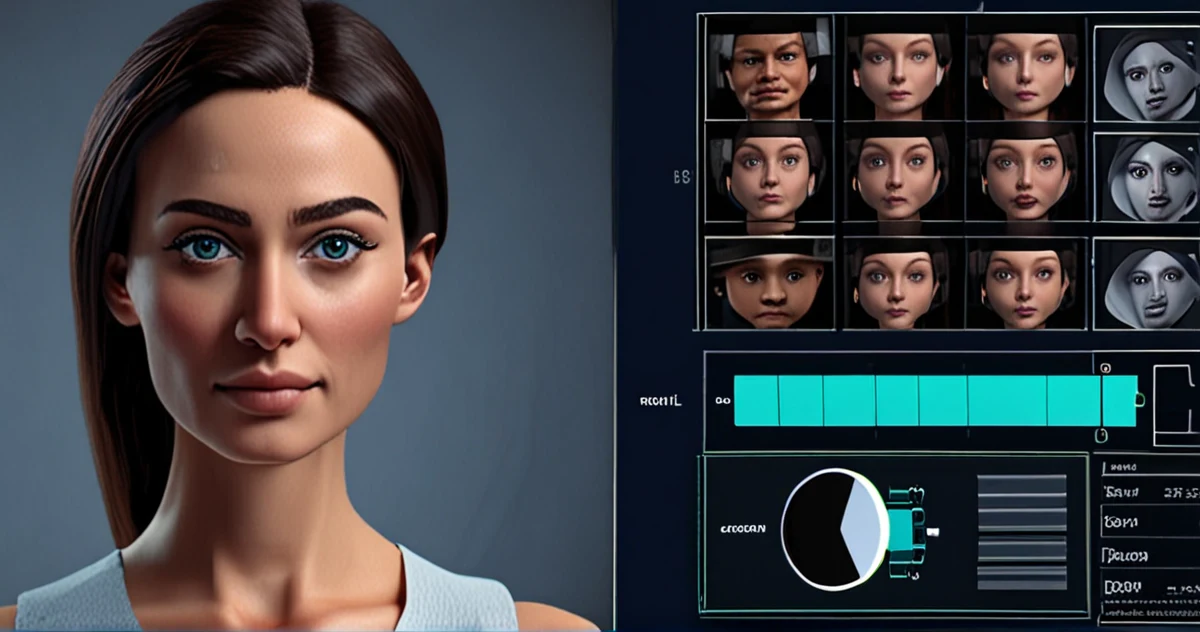
The technological landscape is evolving rapidly to counter the deepfake threat. Several promising innovations are emerging in the field of digital identity protection:
Advanced Detection Solutions
- Biometric analysis: Verification of facial micro-expressions
- Defensive artificial intelligence: Algorithms specialized in detecting falsifications
- Authenticity blockchain: Immutable content certification systems
Proactive Prevention Tools
- Protected image libraries: Secure databases for image rights
- Digital access controls: Authorization systems for image use
- Automated monitoring: Continuous surveillance of online platforms
Prevention Strategies for Businesses
Companies and organizations can also implement prevention strategies against deepfakes:
Internal Policies
- Employee training: Awareness of deepfake risks
- Verification protocols: Processes to authenticate content
- Incident response: Action plans in case of impersonation
External Collaboration
- Technological partnerships: Collaboration with detection experts
- Participation in sector initiatives: Involvement in collective efforts
- Regulatory monitoring: Tracking legislative developments
Case Studies: Concrete Examples of Famous Deepfakes
To better understand the real impact of deepfakes, let's examine some documented cases that have made headlines:
Financial Scams
- Keanu Reeves deepfakes: Used to promote fraudulent Bitcoin investments
- Kevin Costner videos: Employed in sophisticated phishing campaigns
- Tom Hanks audio messages: Imitations used in phone scams
Reputational Damage
- False political statements: Celebrities appearing in manipulated political videos
- Inappropriate content: Use of star images in compromising contexts
- Misleading advertisements: Fictitious endorsements of products or services
Comparative Table: Available Detection Tools
| Tool | Type | Features | Limitations |
|-----------|----------|---------------------|-----------------|
| Deepware Scanner | Web application | Real-time video analysis | Requires internet connection |
| Microsoft Video Authenticator | Professional tool | AI artifact detection | Beta version, limited access |
| Reality Defender | SaaS platform | Continuous monitoring | Paid service for businesses |
| Sensity AI | API solution | Mass detection | Technical integration required |
Concrete Actions for Protection
Faced with the deepfake threat, several actions can be implemented to strengthen digital security. These measures apply to both celebrities and ordinary citizens, in a context where digital identity theft is becoming increasingly sophisticated.
For Rights Holders
- Proactive monitoring: Regular monitoring of image use
- Digital marking: Use of watermarking and metadata
- Rapid response: Accelerated procedures for reporting abuses
- Legal protection: Preparation of preventive legal files
For the General Public
- Source verification: Confirmation of content authenticity
- Reporting abuses: Use of reporting mechanisms
- Continuous education: Updating knowledge about risks
- Healthy skepticism: Questioning content that seems too perfect
5-Step Verification Protocol
Here is a systematic method to verify the authenticity of suspicious content:
- Examine inconsistencies: Look for visual and auditory anomalies
- Check sources: Consult the celebrity's official channels
- Use tools: Apply available detection solutions
- Search for evidence: Look for independent confirmations
- Report if in doubt: Use appropriate reporting mechanisms

Implications for the Future: Beyond Entertainment
The fight against celebrity deepfakes extends far beyond the entertainment world; it foreshadows broader societal challenges. As explained by TIM Review, the rise of deepfakes could exacerbate misinformation and erode trust in media, issues that affect all sectors. For digital professionals, this highlights the urgency of strengthening media literacy and promoting ethical standards in AI development.
Furthermore, lessons learned from Hollywood could inspire similar responses in other industries. For example, protection mechanisms deployed for stars could be adapted to secure the digital identities of ordinary citizens. In an increasingly virtualized world, the battle for authenticity becomes universal, reminding us that technology, if not regulated, can threaten the foundations of our shared reality.
Broader Societal Challenges
- Widespread misinformation: Impact on trust in information
- Erosion of truth: Difficulty distinguishing reality from fiction
- Democratic security: Risks to electoral processes
Cross-cutting Solutions
- Media literacy: Training in deepfake detection
- Ethical frameworks: Standards for responsible AI development
- Cross-sector collaboration: Sharing solutions between industries
Advanced Protection Guide for Professionals
For digital professionals and brand managers, here are advanced strategies for protection against deepfakes:
Monitoring and surveillance
- Automated monitoring tools: Continuous monitoring of social platforms
- Real-time alerts: Immediate notifications of unauthorized use
- Sentiment analysis: Tracking impact on online reputation
Proactive legal strategies
- Preventive filings: Legal registration of image rights
- Contractual clauses: Specific protection in contracts
- Specialized lawyer networks: Quick access to legal expertise
Comparative Legal Frameworks: International Protection
| Country/Region | Specific legislation | Protection level | Application examples |
|-----------------|----------------------------|--------------------------|----------------------------|
| United States | No AI Fraud Act | High | Federal protection against unauthorized deepfakes |
| European Union | AI Act | Medium-High | Regulation of high-risk AI systems |
| France | Right to image | High | Constitutional protection of personal image |
| United Kingdom | Online Safety Act | Medium | Fight against harmful online content |
Conclusion
The rise of AI-generated deepfakes has placed Hollywood on the front line of a battle for digital integrity. From alerts by stars like Tom Hanks to legislative initiatives, the entertainment industry shows that identity protection is a paramount issue. For digital professionals, these developments offer valuable lessons about risks and possible responses to emerging technologies.
In the future, collaboration between public and private sectors will be essential to mitigate these threats. By staying informed and proactive, we can contribute to a safer digital ecosystem where innovation is accompanied by responsibility. The fight against deepfakes is not just about celebrities; it's a call to preserve truth in our connected world.
To Go Further
- McAfee - Article about Tom Hanks' warnings regarding AI-related scams
- Hollywood Reporter - Report on deepfake scams involving celebrities
- Forensic Expert Investigation - Analysis of deepfakes as a threat to digital authenticity
- AI-Pro - Overview of AI use by celebrities and deepfake challenges
- TIM Review - Review on the emergence of deepfake technology and opportunities for combatting it
- Scholars Law UNLV - Legal analysis on artists, AI, and the battle against digital replicas
- Brookings Edu - Article on Hollywood strikes and protection against generative AI
Recommended additional resources:
- Deepfake reporting platforms
- Free AI detection tools
- Digital identity protection guides