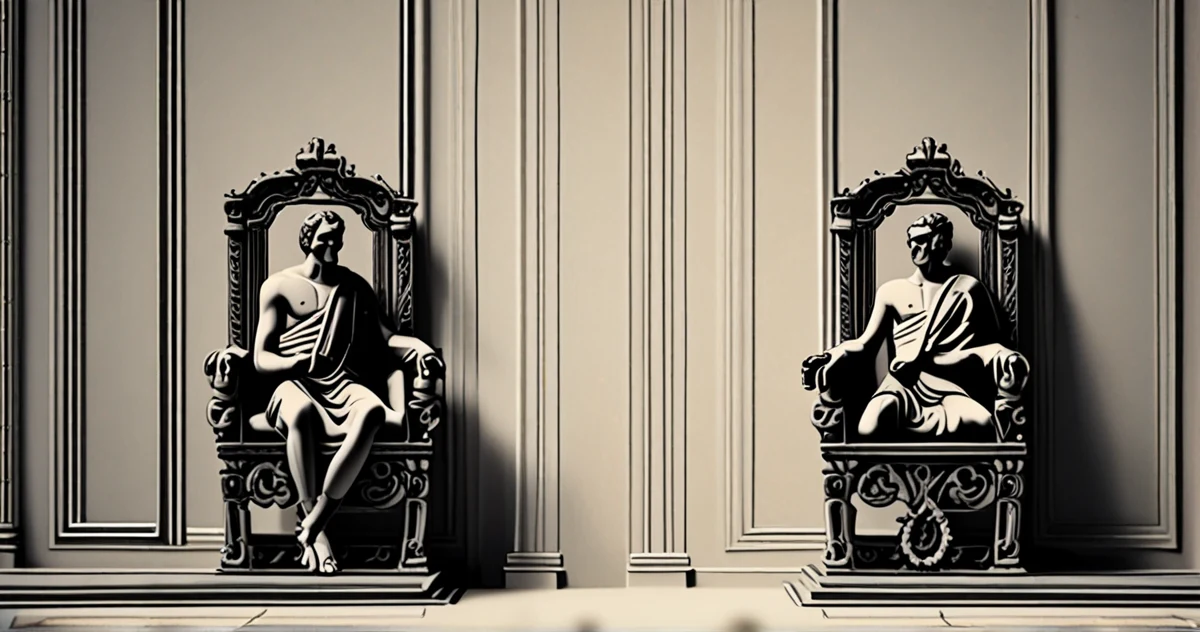
Imagine a world where every public word is subjected to an invisible tribunal, where reputation is gained with a click and lost in an instant. This is not science fiction, but the reality of our digital ecosystem in 2025, where cancel culture and freedom of expression clash in a philosophical battle with tangible consequences. For some, it's a necessary tool for accountability; for others, it risks becoming mob justice that silences dialogue, as highlighted by Rockandart. This article explores the philosophical roots of this conflict, identifies common pitfalls, and outlines scenarios for a more ethical digital future.
The Philosophical Foundations of the Debate
The tension between cancel culture and freedom of expression is not new, but it has intensified with digital platforms. As noted by Dailynous, philosophy trains us to refuse to take the limits of speech for granted, diving directly into the struggles to define these boundaries. This dynamic challenges the very notion of absolute truth and morality, an echo of Nietzsche's declaration "God is dead" which, according to a discussion on Reddit, invites us not to build new absolute foundations, whether in philosophy or morality. In this context, cancel culture can be seen as an attempt to create new social norms, but it risks falling into the trap of absolutism that it claims to combat.
Cancel Culture: Accountability or Modern Shaming?
On one hand, cancel culture is presented as an accountability mechanism for public figures, allowing marginalized communities to make their voices heard. Rockandart emphasizes that for its defenders, it's an essential tool to correct power abuses and promote social justice. For example, online campaigns have highlighted discriminatory behaviors, leading to public apologies and institutional changes. However, this approach carries risks: it can degenerate into a digital witch hunt, where the intention to harm takes precedence over the search for truth. Social platforms, designed to encourage and provide a space for exercising free expression rights, as noted by Scholarworks Boisestate Edu, often become the stage for these battles, where nuance is sacrificed for virality.
Freedom of Expression in the Digital Age: A Threatened Ideal?
Freedom of expression is a pillar of democracies, but its application in the digital space raises profound dilemmas. Thecollector identifies this as one of the most common ethical dilemmas of the 21st century, involving cultural conflicts and tensions around cancel culture. Philosophically, this refers to the question of how far society can tolerate offensive opinions without compromising individuals' safety and dignity. Oxfordpublicphilosophy addresses this issue by promoting dialogue, debate, and free expression in the face of cancel culture, emphasizing the importance of resisting trends that stifle diversity of viewpoints. Yet, as suggested by Versytalks, debating ethics is both a fascinating intellectual exercise and a necessary practice for shaping societies' moral principles, which requires a delicate balance between protection and openness.
Common Pitfalls in the Cancel Culture Debate
In discussions about cancel culture, several recurring errors distort the dialogue. First, excessive generalization: equating any criticism with "cancel culture" minimizes genuine abuses and prevents nuanced analysis. Second, ignoring contexts: statements made decades ago are often judged by current standards, without consideration for the evolution of social norms. Third, binary polarization: presenting the debate as a choice between "for" or "against" cancel culture ignores intermediate positions that advocate responsibility without censorship. Finally, oversimplifying motivations: attributing malicious intentions to all involved parties hinders mutual understanding. These pitfalls, indirectly documented by sources like Rockandart and Dailynous, show how crucial it is to approach these issues with humility and intellectual rigor.
Future Scenarios: Where is Cancel Culture Heading?
Looking toward the future, several scenarios emerge for the intersection of cancel culture and freedom of expression. In an optimistic scenario, digital platforms evolve toward collaborative moderation models, where users and algorithms work together to foster dialogue rather than censorship, as envisioned by Oxfordpublicphilosophy. A pessimistic scenario would see increased fragmentation of online spaces, with echo chambers that exacerbate divisions and reduce tolerance for dissent. The realistic scenario, perhaps the most likely, involves increased regulation by governments and corporations, aiming to balance protection and freedom, but at the risk of centralizing power over speech. Thecollector emphasizes that this debate is not limited to technology; it's a deep dive into what it means to live together in a digital society, requiring ethical innovations to avoid excesses.
For a Renewed Digital Ethics
Facing these challenges, it is imperative to rethink digital ethics by connecting seemingly disjointed concepts, such as moral philosophy and platform design. For example, the idea of "digital dialectic"—inspired by philosophical traditions—could promote spaces where disagreements are seen as learning opportunities rather than conflict. This requires challenging the common belief that more speech always equals more freedom; in reality, as suggested by the sources, responsible and contextualized speech is essential to preserve democracies. Ultimately, cancel culture and freedom of expression are not opposing forces, but aspects of the same struggle to define the boundaries of our digital humanity.
In summary, cancel culture and freedom of expression represent a central ethical dilemma of our time, where the quest for justice meets the risk of censorship. By understanding its philosophical roots, avoiding common pitfalls, and imagining alternative futures, we can work toward a digital ecosystem that values both responsibility and open debate. What if the solution lies not in eliminating cancel culture, but in its evolution toward a culture of dialogue?
To Go Further
- Rockandart - Analysis of the ethical issues of cancel culture between accountability and shaming
- Dailynous - Intergenerational dialogue on cancel culture and the limits of speech
- Thecollector - 21st century ethical dilemmas including cancel culture and free expression
- Scholarworks Boisestate Edu - Qualitative analysis of the social dynamics of cancel culture
- Versytalks - Debate topics on ethics to challenge your thinking
- Oxfordpublicphilosophy - Resources on resisting cancel culture and promoting dialogue
- Reddit - Discussion on Nietzsche and his connection to contemporary debates like cancel culture