
Imagine walking down the street knowing that every person you pass could record you without your knowledge, analyze your face, and share this data with a technology company. This scenario is no longer science fiction, but an emerging reality with augmented reality glasses like the Ray-Ban Meta. In May 2025, Meta quietly modified its privacy policy for these devices, granting the firm increased control over collected data, according to a discussion on Reddit. This development raises fundamental questions about the future of our public spaces.

Digital professionals must understand that these devices are not simple accessories, but ambient sensors capable of transforming every interaction into a data point. This article explores how this technology challenges centuries of social norms around privacy, why dependence on manufacturers creates systemic vulnerabilities, and what ethical solutions could preserve our autonomy in an increasingly connected world.
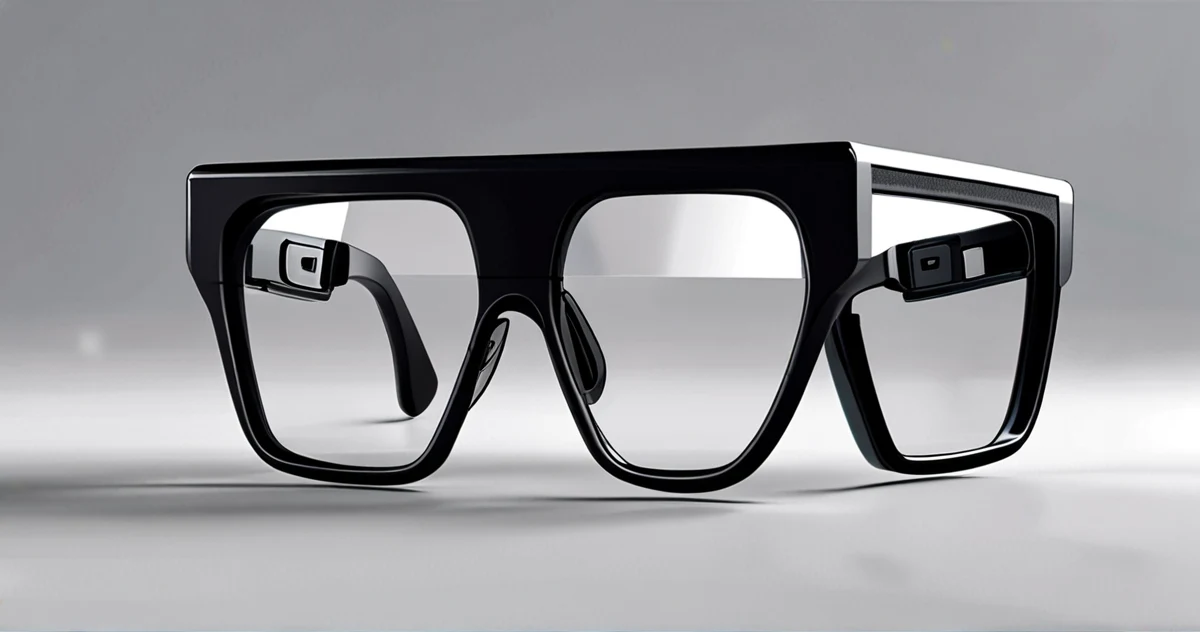
The Normalization of Discreet Surveillance: A Paradigm Shift
AR glasses equipped with cameras and microphones introduce a form of pervasive surveillance that escapes traditional controls. Unlike smartphones, which we actively take out to photograph, these permanently worn devices can record without any visible gesture. An article from Cybersecurity Advisors Network emphasizes that with the normalization of wearable cameras, "the boundary between public space and private life begins to blur or disappears completely." This evolution is particularly concerning in sensitive contexts such as professional meetings, medical consultations, or relaxation spaces, where trust relies on the assurance of not being monitored.
> "If society adds facial recognition, smart glasses like Facebook's Ray-Ban Stories could be used to record you without your knowledge." – The Conversation
This capability for stealth recording is not theoretical. The Ray-Ban Meta, for example, integrates cameras that, although announced by an LED, could be bypassed or used in conditions where the signal is not perceptible. The question is not whether these technologies will be misused, but when and on what scale.
Dependence on Manufacturers: An Underestimated Systemic Risk
An aspect often overlooked in the privacy debate is users' total dependence on manufacturers for data security. The Office of the Victorian Information Commissioner notes that "organizations and individuals using IoT devices often depend on the vendors or manufacturers of these devices to manage security." In the case of AR glasses, this dependence means that Meta, or any other manufacturer, controls not only the hardware but also software updates, privacy policies, and data access.
This dynamic creates a concerning power asymmetry:
- Users have only limited control over what is collected
- Changes to terms of use can be imposed unilaterally
- Transparency about data usage remains insufficient
The recent update to Meta's conditions, discussed on Reddit, perfectly illustrates this problem: without meaningful consultation, the company extended its rights over glasses data, leaving users with a binary choice – accept or stop using the product.
Concrete Impacts on Daily Life
Problematic Usage Scenarios
Always-active AR glasses present specific risks in different contexts:
In professional spaces:
- Unconsented recording of confidential meetings
- Capture of sensitive documents without authorization
- Monitoring of interactions between colleagues
In public places:
- Recording of private conversations in cafes
- Capture of images of people without their consent
- Collection of biometric data in real time
In private spaces:
- Recording in others' homes
- Capture of personal information during visits
- Monitoring of intimate behaviors
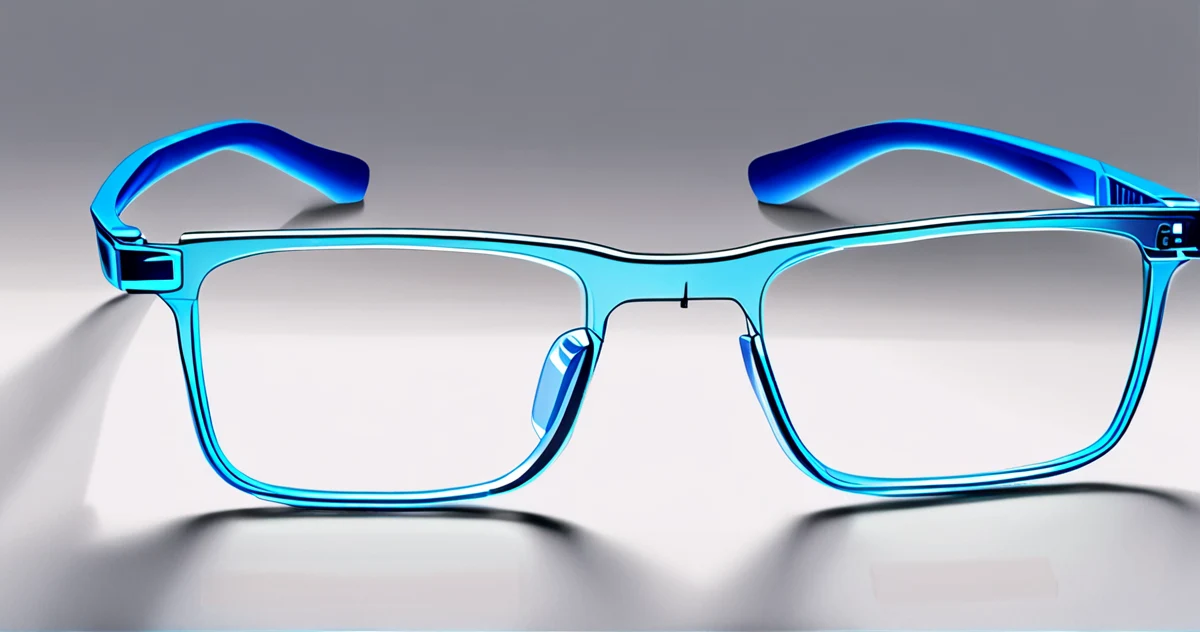
How AR Glasses Transform Social Interactions
The potential omnipresence of wearable cameras fundamentally alters the dynamics of human interactions. Spontaneous behaviors could be inhibited by the awareness of constant surveillance. This social transformation particularly affects:
- Freedom of expression in public spaces
- Spontaneity of informal conversations
- Trust between individuals
- Intimacy of personal moments
Towards an Ethical Framework for Wearable Technologies
Facing these challenges, several organizations propose guiding principles. The ACM code of ethics emphasizes the importance of "ethics and social computing" for IT professionals, while UNESCO, in its recommendation on AI ethics, focuses on "privacy, security, and safety." These frameworks suggest that developers of wearable technologies should:
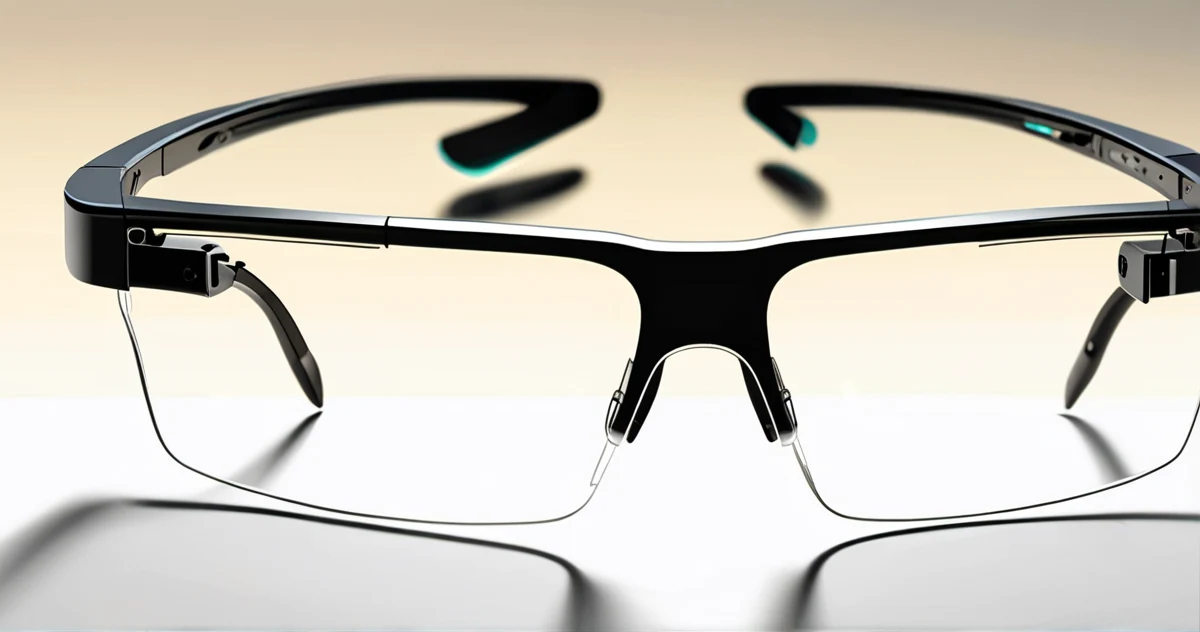
Fundamental Principles for Technological Ethics
- Integrate privacy protection from the design stage (privacy by design)
- Ensure informed and continuous consent from recorded individuals
- Limit data collection to the strictly necessary
- Enable meaningful control for users
- Ensure total transparency about data usage
Facebook's Aria project, mentioned in ScienceDirect, indicates problems for the responsible development of AR devices, highlighting the need for more transparent approaches. However, as noted by InAirSpace, devices with always-active cameras and microphones worn in public spaces represent a "privacy frontier" that requires robust safeguards.
Practical Solutions for Users
How to Protect Your Privacy Against AR Glasses
For AR glasses users:
- Disable automatic recording functions
- Clearly inform those around you when recording
- Regularly review privacy settings
- Limit data sharing with manufacturers
For people encountering these technologies:
- Explicitly ask if you are being recorded
- Demand deletion of data concerning you
- Use designated "wearable technology-free" spaces
- Support companies that respect privacy

Comparative Table: Ethical Frameworks for Wearable Technologies
| Organization | Key Principles | Application to AR Glasses |
|--------------|----------------|-----------------------------|
| ACM | Ethics and social computing | Moral obligation for developers to protect privacy |
| UNESCO | Privacy, security, safety | Need for specific regulatory frameworks |
| OVIC | Security management by manufacturers | Importance of user independence |
| Cybersecurity Advisors | Protection of public spaces | Preservation of anonymity in collective places |
Regulatory and Legislative Challenges
Regulating wearable technologies like AR glasses presents unique challenges for legislators. Existing frameworks struggle to keep pace with technological innovations. The main obstacles include:
- Legal definition of what constitutes a reasonable expectation of privacy
- Jurisdiction in a globalized digital environment
- Enforcement of existing laws for new technologies
- Balance between innovation and protection of fundamental rights
Practical Guide: Protecting Your Privacy Daily
Immediate Actions for AR Glasses Users
Optimal security settings:
- Disable automatic recording in settings
- Configure the recording LED to always be visible
- Limit access permissions for third-party applications
- Activate device password lock
Good usage practices:
- Verbally inform present people before any recording
- Avoid wearing glasses in sensitive spaces (restrooms, changing rooms)
- Regularly consult collected data history
- Periodically delete non-essential recordings
Strategies for Non-Users
Proactive protection:
- Install camera detection applications on smartphones
- Use RFID protection cases for sensitive documents
- Prefer establishments displaying "no recording" policies
- Educate your entourage about discreet surveillance risks
Collective actions:
- Report abusive uses to competent authorities
- Support digital rights defense associations
- Participate in public consultations on technology regulation
- Boycott manufacturers with questionable practices
Privacy-Respecting Alternative Technologies
Faced with growing concerns, some companies are developing alternative approaches:
Emerging technological solutions:
- Edge computing: data processing directly on the device
- End-to-end encryption: protection of data against unauthorized access
- Mandatory visual indicators: clear recording signals
- Granular controls: detailed settings by data type
Long-Term Societal Issues
The impact of AR glasses extends far beyond technical questions of privacy and data security. These technologies profoundly transform our relationship with public space and social interaction. Long-term consequences include:
- Modification of social behaviors: inhibition of spontaneous exchanges
- Erosion of collective trust: generalized suspicion towards others
- Normalization of surveillance: progressive acceptance of constant observation
- Fragmentation of public spaces: creation of "technology-free" zones
Conclusion: Preserving the Essence of Public Spaces
Always-on AR glasses are not inherently bad – they offer fascinating possibilities for productivity, accessibility, and entertainment. But their deployment without a strong ethical framework risks fundamentally altering the nature of our social interactions. Widespread surveillance, even passive, could inhibit spontaneous behaviors, reduce the diversity of opinions expressed in public, and erode trust between citizens.

As these technologies become more common, a crucial question arises: how can we benefit from the advantages of augmented reality without sacrificing the anonymity and autonomy that have long defined our experiences in public spaces? The answer will require not only appropriate regulation but also collective awareness of what we are willing to accept as "normal" in our technological environment.
Further Reading
- The Conversation - Analysis of security and privacy risks of smart glasses
- Reddit - Discussion about Ray-Ban Meta glasses privacy policy updates
- Cybersecurity Advisors Network - Reflection on the impact of wearable cameras on privacy
- ScienceDirect - Study on the ethical challenges of Facebook's Aria project
- ACM - Code of ethics for computing professionals
- Office of the Victorian Information Commissioner - Analysis of privacy issues with connected devices
- UNESCO - Recommendation on the ethics of artificial intelligence
- InAirSpace - Perspective on merging digital and physical worlds through AR glasses