
Imagine that every interaction with a generative AI assistant consumes as much energy as a light bulb left on for hours. This reality, often overshadowed by technological enthusiasm, represents the environmental paradox of artificial intelligence. As models become more powerful, their energy appetite grows exponentially, creating tension between digital innovation and ecological sustainability.

Contrary to popular belief, the environmental impact of AI is not limited to data centers. According to MIT Technology Review, the inference phase - the daily use of models - now represents the most significant portion of their energy consumption. For digital professionals, understanding these hidden costs becomes essential for making informed technological choices. This article explores the true energy dimensions of AI, deconstructs common misconceptions, and examines pathways toward a more responsible future.

The Hidden Face of Inference: When Usage Exceeds Training
Media attention has long focused on the energy required to train AI models, but it's their daily use that poses the greatest environmental challenge. MIT Technology Review reveals that inference - the process of generating responses - now represents the majority of AI systems' energy consumption. Each query addressed to a model like ChatGPT requires intensive calculations that accumulate at the scale of millions of users.
This reality challenges the naive optimism surrounding AI's future energy efficiency. As models become more complex, their energy appetite increases proportionally. Washington University in St. Louis emphasizes that the continuous inference of models deployed at large scale creates a constant and growing electricity demand, often powered by carbon-based energy sources.
The Efficiency Paradox: Why Smarter AI Consumes More
A persistent misconception suggests that algorithmic progress will naturally reduce AI's energy consumption. The reality is more nuanced. Earth.org explains that increasing model capabilities generally comes with increased computational complexity. The most performant models require more parameters, which translates into higher energy demand for each operation.
| Technical Aspect | Energy Impact | Environmental Consequence |
|------------------|-------------------|------------------------------|
| Parameter increase | +300% consumption compared to previous models | Exponential electricity demand |
| Real-time inference | Constant 24/7 consumption | Permanent cooling needs |
| Multi-modality | Additional parallel computations | Expanded carbon footprint |
This table illustrates how technical advances, while impressive, worsen the energy problem. The United Nations Environment Programme (UNEP) notes that this dynamic could compromise climate goals if not properly managed.
Cooling and Water: The Other Overlooked Environmental Factor
Beyond electricity, AI generates massive demand for water resources to cool its infrastructure. MIT News reports that data centers dedicated to AI consume significant amounts of water to maintain operational temperatures, creating tensions in regions already facing water stress.
This water consumption represents an environmental cost rarely mentioned in AI discussions. NPR, in its interview with Sasha Luccioni, emphasizes that the water footprint of AI systems could become a critical issue in the context of climate change and water resource scarcity.


The Numbers That Reveal the Scale of the Problem
To better understand the real impact, let's examine some concrete data on AI energy consumption:
- GPT-3 Training: Equivalent to the annual consumption of 120 American households
- Daily Inference: Millions of queries collectively consuming as much as a small town
- Annual Growth: AI's energy demand doubles every 3-4 months
- Cooling: Up to 40% of total energy consumed by data centers
These figures illustrate why the environmental footprint of AI requires urgent attention.
Emerging Solutions for Sustainable AI
Facing these challenges, several approaches are beginning to emerge. Research focuses on developing more energy-efficient models, while some companies explore using renewable energy to power their infrastructure. Reddit mentions that investments in nuclear energy specifically aim to meet AI's growing energy needs.
Algorithm optimization and the adoption of more sober computing practices also represent promising pathways. Earth.org suggests that transparency about models' environmental footprint could encourage the development of more sustainable solutions.
Concrete Actions for Digital Professionals
To reduce the environmental impact of your AI projects:
- Prefer specialized models over oversized general models
- Optimize queries to minimize unnecessary calculations
- Choose cloud providers committed to renewable energy
- Regularly measure the carbon footprint of your AI applications
- Participate in research initiatives on eco-responsible AI

These best practices allow for reconciling technological innovation with environmental responsibility.
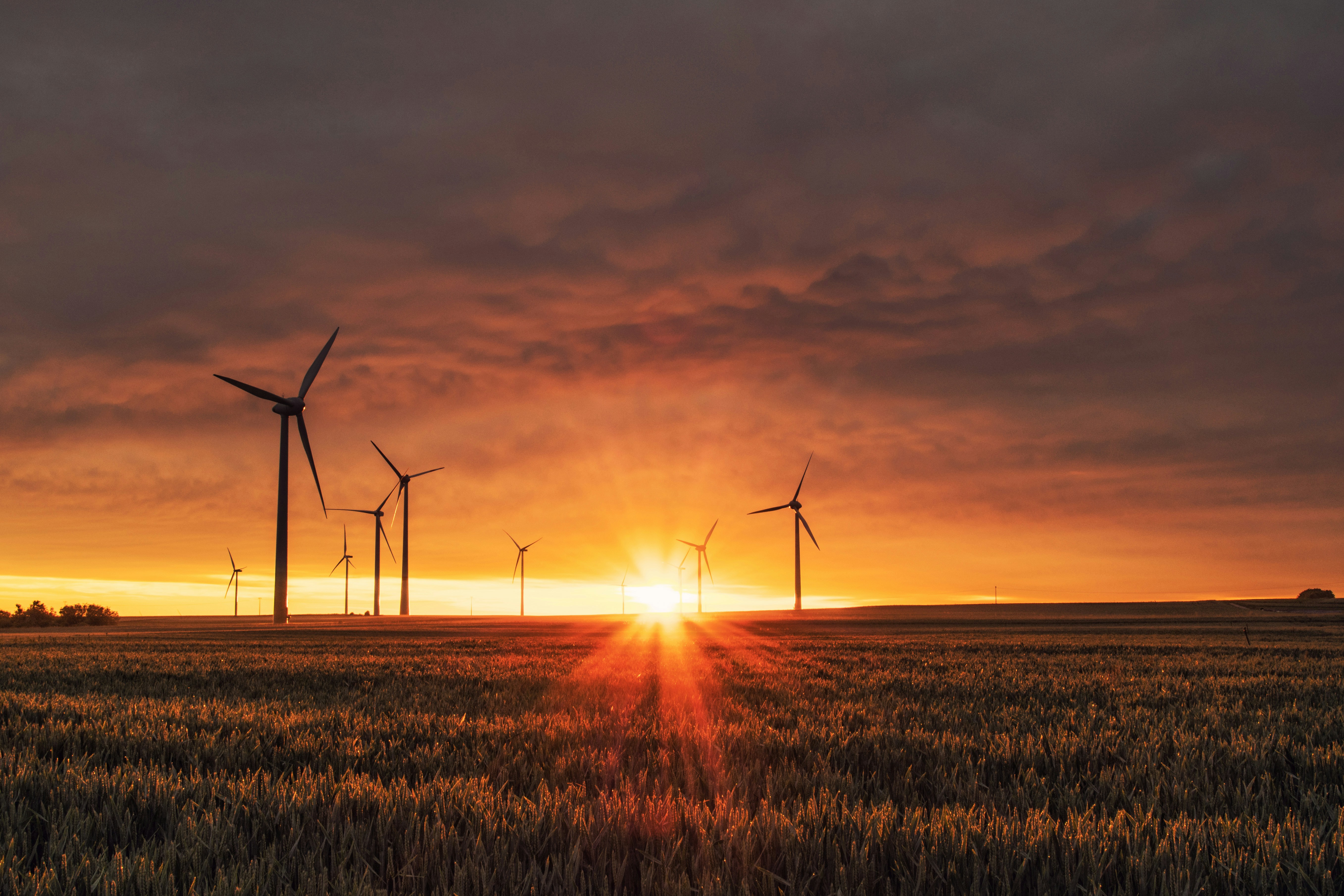
Comparative Table: Traditional AI vs Eco-Responsible AI
| Criterion | Traditional AI | Eco-Responsible AI |
|---------|-------------------|---------------------|
| Energy consumption | High, exponential growth | Optimized, reasoned use |
| Energy source | Standard energy mix | Priority to renewable energy |
| Water consumption | Significant for cooling | Optimized cooling systems |
| Environmental transparency | Limited | Regular measurement and reporting |
| Models used | General, oversized | Specialized, adapted to needs |
Conclusion: The Necessary Collective Awareness
The environmental impact of AI is not inevitable, but it requires immediate attention. The hidden energy consumption of artificial intelligence systems represents a major challenge for digital sustainability, questioning certain non-essential uses.
For professionals in the sector, integrating the environmental dimension into technological choices becomes imperative. The transition toward a more sober AI will come through better understanding of its real costs and through adopting responsible practices at all levels - from algorithm design to large-scale deployment.
To Go Further
- Nature - Scientific studies on energy efficiency of AI systems
- Le Monde - Investigations into environmental issues of digital technology
- Greenpeace - Reports on the carbon footprint of tech giants