
Introduction
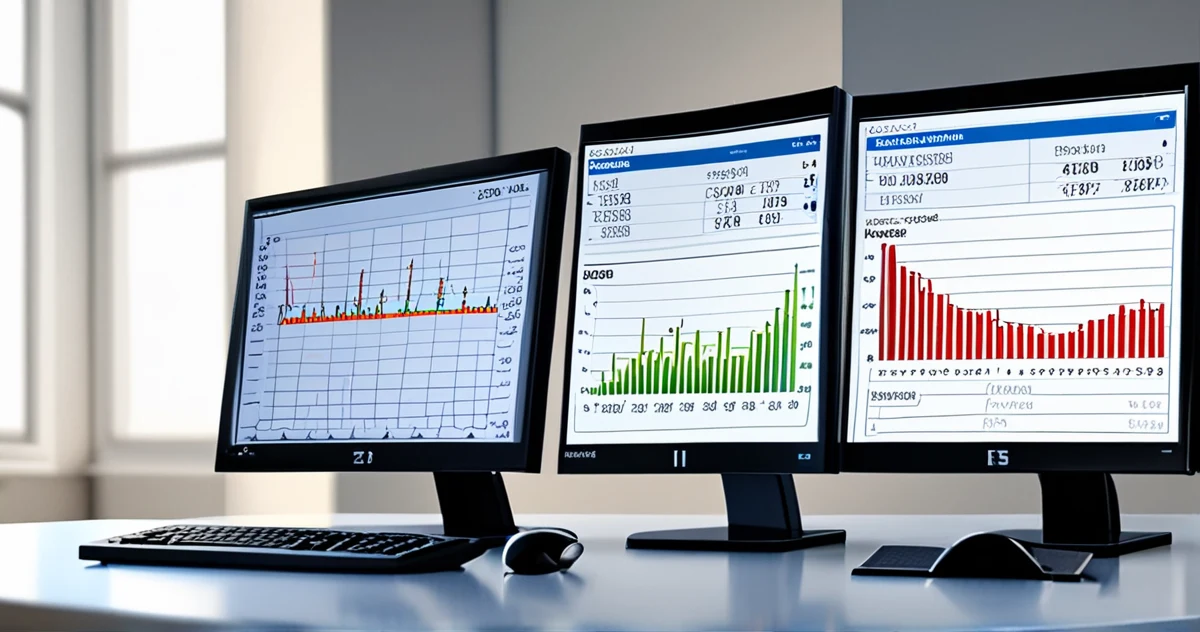
Financial markets are inherently cyclical, alternating between periods of euphoria and correction. The year 2025 was marked by significant volatility, with the S&P 500 entering correction territory. For digital professionals and savvy investors, understanding the underlying mechanisms of these movements is not just an academic question, but a strategic necessity to protect and grow their wealth.
This analysis examines the lessons learned from the recent volatility episode, based on verified data and expert perspectives. We will explore how market indicators, investor behavior, and economic fundamentals interacted during this period, and what strategies can be deployed to navigate an uncertain environment.
The Context of the 2025 Correction
Definition and Frequency of Corrections
A market correction is generally defined as a decline of 10% or more from recent highs. According to Charles Schwab, since November 1974, there have been 27 market corrections, only six of which turned into bear markets. This statistic is crucial because it emphasizes that corrections, although destabilizing, are part of the normal market cycle and do not systematically signal a prolonged crisis.
> Key Lesson: Corrections are frequent and often temporary. Panicking and selling hastily can lock in losses and cause you to miss the recovery.
The March 2025 Event
In March 2025, Lutz US noted that the S&P 500 had entered correction territory, marking an inflection point after the volatility that began in February. This event served as a reminder that even bull markets are punctuated by consolidation phases. For investors, recognizing these patterns helps maintain a long-term course.
Understanding Volatility and Its Indicators
The Role of the VIX and Volatility Indicators
Volatility, often measured by the VIX (Volatility Index), plays a central role in corrections. ScienceDirect highlights that the past volatility of investor expectations influences their current decisions. In other words, investors learn from previous market data to adjust their strategies. During the 2025 correction, a rise in the VIX likely signaled increased uncertainty, prompting some to reduce their risk exposure.
Analogy for Understanding Volatility
To illustrate, imagine volatility as ocean waves: sometimes calm, sometimes rough. Navigating requires understanding the underlying currents rather than reacting to every wave. Similarly, monitoring indicators like the VIX allows anticipating turbulence rather than enduring it.
Global Economic Outlook for 2025
Analysis of Economic Growth
J.P. Morgan Research's analysis for 2025 forecasts robust global economic growth, except for a marked slowdown in China. This contrasting dynamic could maintain some volatility in equity markets.
Market Volatility Signals
Meanwhile, I/O Fund notes in its 2025 market outlook that stocks and bonds are sending signals of increased volatility, suggesting that the stock rally may be on a fragile foundation.
Fundamental Strategies for Managing Corrections
Practical Approaches for Investors
Faced with a correction, several approaches can be adopted:
- Stay invested: Historically, markets recover after corrections. Selling in panic can lead to irrecoverable losses.
- Diversify: Spreading investments across different asset classes and sectors reduces the impact of an isolated crash.
- Seize opportunities: Market declines can offer attractive entry points for quality assets.

Importance of Diversification
These perspectives highlight the importance of diversification. While stocks can offer attractive returns, bonds and other assets can serve as a buffer during corrections. Digital professionals, often exposed to technology stocks, benefit from balancing their portfolio to mitigate risks.
Historical Data and Market Trends
Historical Performance After Corrections
Hartford Funds reminds us that bear markets see an average 35% drop in stocks, but the subsequent bull markets offer average gains of 112%. This asymmetry underscores the importance of patience and a long-term vision.
Frequency of Corrections vs. Bear Markets
Key Points on Market Cycles:
- Corrections (10-20% decline) are common
- Only 22% of corrections become bear markets
- The average duration of a correction is 4 months
- Markets typically recover in 4-5 months
Advanced Portfolio Management Techniques
Risk Management Methods
For investors seeking to optimize their risk management during periods of volatility:
- Regular rebalancing: Periodically adjusting the portfolio allocation
- Smart stop-losses: Protecting gains without selling prematurely
- Staggered investments: Spreading purchases over time
Technical Analysis and Key Indicators
Technical analysis can provide valuable signals during corrections:
- Support and resistance levels
- Moving averages to identify trends
- Momentum indicators to anticipate reversals
Comparative Table of Volatility Management Strategies
| Strategy | Advantages | Risks | Recommendation |
|-----------|-----------|---------|----------------|
| Diversification | Reduction of overall risk | Potentially lower returns | Essential for all portfolios |
| Stop-loss | Protection against significant losses | Risk of selling at the worst time | Use with caution |
| Rebalancing | Maintaining target allocation | Transaction fees | Quarterly or semi-annually |
| Staggering | Averaging purchase prices | Lack of immediate exposure | For new investments |
Practical Application: Concrete Case Studies
Case Study: Technology Investor
An investor focused on technology stocks could, during a correction:
- Reduce exposure to the most volatile stocks
- Increase the share of government bonds
- Add defensive stocks (utilities, consumer staples)
- Maintain a cash reserve for opportunities
Sector Diversification Strategy
Recommended allocation during periods of volatility:
- 40% stocks (diversified by sectors)
- 30% bonds (investment grade quality)
- 20% cash (for opportunities)
- 10% alternative assets (gold, real estate)

Action Plan for Investors
Checklist for Navigating Volatility
Immediate actions during a correction:
- Assess your current risk tolerance
- Check the balance of your asset allocation
- Identify potential buying opportunities
- Review your stop-loss orders if necessary
- Maintain a long-term perspective
Continuous Monitoring of Indicators
Key indicators to monitor:
- VIX level and trend
- Relative sector performance
- Fundamental economic data
- Investor sentiment
- Capital flows
Emotional Management and Discipline
Avoiding Psychological Traps
Emotional management is crucial during corrections. Common cognitive biases include:
- Disposition effect: Tendency to sell winners too early and hold losers too long
- Confirmation bias: Seeking only information that confirms our fears
- Overconfidence: Underestimating risks during stable periods
Behavioral Strategies
Techniques to maintain discipline:
- Establish a written investment plan
- Avoid excessive monitoring of prices
- Consult an objective financial advisor
- Focus on long-term goals
Preparation for Future Corrections
Building a Resilient Portfolio
Key elements of a robust portfolio:
- Geographic and sector diversification
- Balanced mix between growth and value
- Sufficient liquidity for opportunities
- Investment horizon aligned with objectives
Periodic Strategy Review
Points to check quarterly:
- Alignment between risk profile and allocation
- Relative performance of different asset classes
- Evolution of economic conditions
- Adjustment of objectives if necessary
Analysis of Common Mistakes to Avoid
Behavioral Pitfalls During Volatility
Frequent investor mistakes:
- Selling at the bottom out of panic
- Ignoring rebalancing signals
- Overweighting trendy sectors
- Neglecting available liquidity
Protection Strategies Against Mistakes
Safeguard mechanisms:
- Automated investment plans
- Predefined price alerts
- Mandatory quarterly reviews
- Regular professional advice
Key Lessons and Future Perspectives
Essential Lessons from 2025
Fundamental principles confirmed by the correction:
- Diversification remains the best protection against volatility
- Emotional reactions cost more than the corrections themselves
- Buying opportunities often emerge during periods of fear
- Long-term discipline outperforms market timing
Preparation for the Future
Developments to anticipate:
- Increasing integration of AI in market analysis
- Impact of monetary policies on volatility
- Role of crypto-assets in diversification
- Importance of ESG criteria in asset selection
Conclusion
The 2025 correction reminds us that volatility is inherent to financial markets. By understanding its drivers and adopting disciplined strategies, investors can not only survive these phases but also leverage them. The lessons learned—such as the importance of diversification and the danger of emotional reactions—are universal and apply beyond current cycles.
As we move forward in 2025, staying informed and flexible will be key. Digital professionals, accustomed to innovation and change, have the tools to turn uncertainty into opportunity. Continue to follow economic indicators and adjust your strategies accordingly.
Going Further
- Charles Schwab - Explanation of market corrections and historical data
- Hartford Funds - Key facts about bear and bull markets
- J.P. Morgan Research - Market outlook for 2025
- I/O Fund - Analysis of volatility signals for 2025
- ScienceDirect - Impact of past volatility on investor expectations
- Lutz US - Update on S&P 500 entering correction
- Morningstar - Lessons from 150 years of stock market crashes