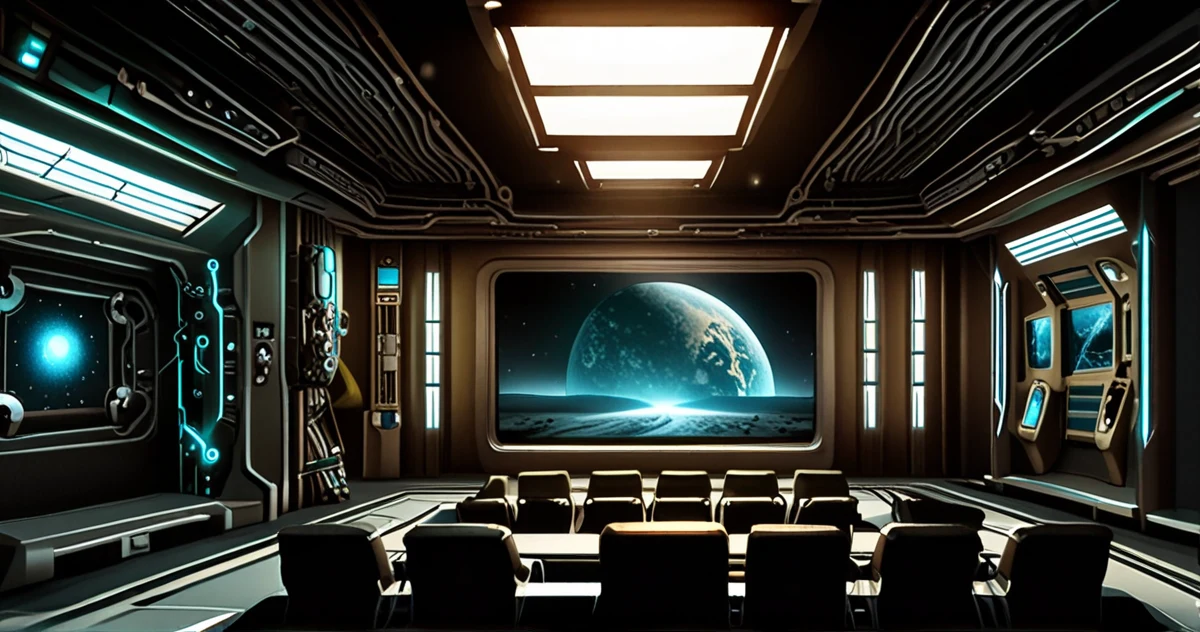
In 1993, Demolition Man showed instant video calls without requiring active response – an idea that seemed far-fetched at the time, but which foreshadowed our modern video conferencing systems. According to Pop-verse, this prediction was particularly visionary because video conferencing already existed, but in a much more rudimentary form. Today, these technologies are part of our daily lives, proving that screenwriters' imagination often goes beyond mere fiction.
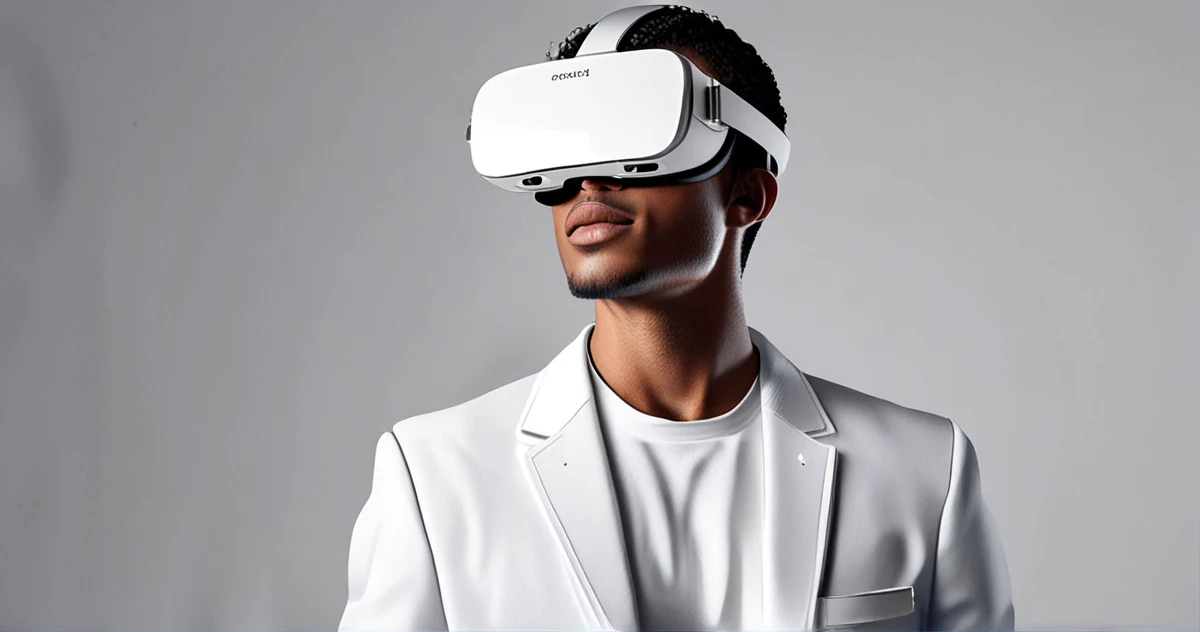
This article explores ten technological predictions from science fiction cinema that have become reality. We will examine how films like The Matrix, Ready Player One and others anticipated innovations that we now commonly use, from virtual reality headsets to voice assistants. This analysis reveals not only the insight of creators, but also how science fiction can inspire and guide real technological development.
The Visionary Impact of Cinema on Technology
Science fiction cinema has often served as an idea laboratory for engineers and researchers. These predictions are not mere coincidences, but reflect a deep understanding of emerging technological trends. Film creators observe scientific developments and extrapolate their future implications, thus creating visions that inspire real innovators.
1. Immersive Virtual Reality
Popularized by films like The Matrix and Ready Player One, virtual reality (VR) was once a purely fictional concept. Today, VR headsets enable immersive experiences in gaming, professional training, and even therapy. As noted by Altaonline, current VR technology has not yet reached the level of sophistication of the simulated worlds presented in cinema, but it is evolving rapidly to approach it.
Current Concrete Applications:
- Medical Training: Simulation of complex surgeries
- Architecture: Virtual tours of buildings before construction
- Education: Immersive learning experiences
2. Ubiquitous Video Communications
Demolition Man anticipated video communication systems that start without active user intervention. This prediction has materialized with video conferencing applications like Zoom and home assistants equipped with cameras. Pop-verse emphasizes that this vision preceded the massive adoption of visual communication in our daily lives.
3. Intelligent Voice Assistants
Long before Amazon launched Alexa, science fiction films depicted voice interfaces capable of understanding and executing complex commands. Livescience includes this technology among the predictions that have become reality, showing how fiction has inspired the development of home and professional assistants.
Current Voice Assistant Features:
- Home Automation Control: Management of lighting and heating
- Productivity: Scheduling appointments and reminders
- Entertainment: Music playback and media control
4. Autonomous Vehicles
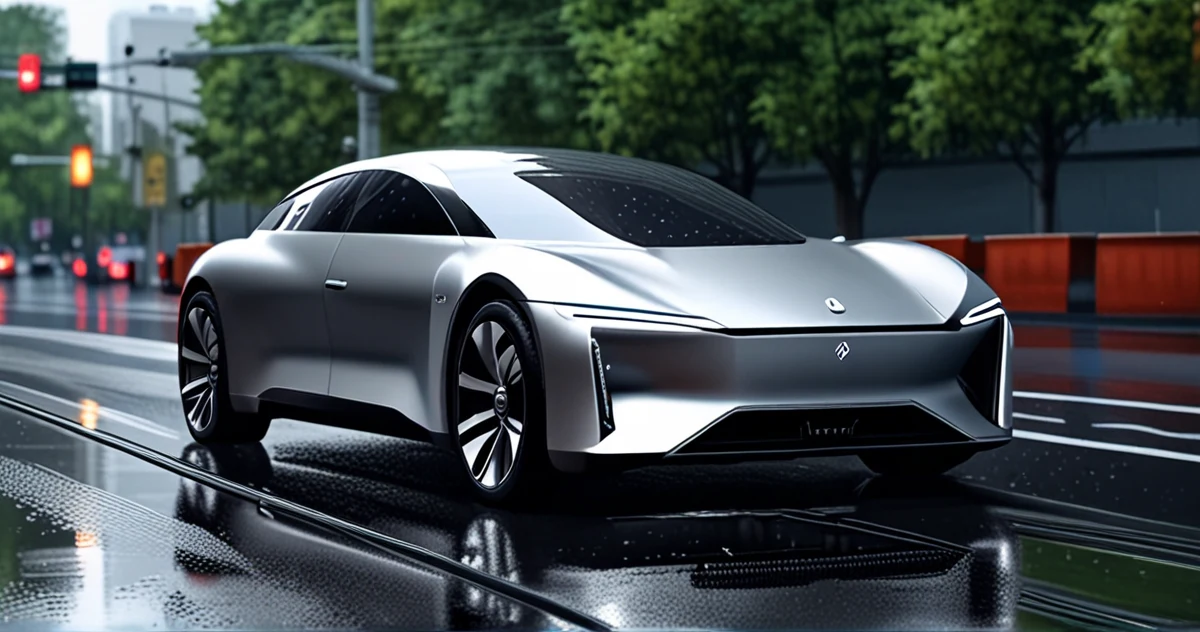
From Minority Report to Total Recall, cinema has often imagined cars that drive themselves. Today, autonomous driving systems from Tesla and other manufacturers are turning this fiction into reality, although technical and regulatory challenges persist.
5. Biometric Recognition Devices
Facial and fingerprint recognition, ubiquitous in films like Mission: Impossible, is now integrated into our smartphones and security systems. This technology, mentioned by Livescience, illustrates how science fiction anticipated authentication methods that are now common.
6. Touchscreens and Gestural Interfaces
Star Trek and other works popularized touchscreens long before the iPhone. Today, these interfaces dominate our electronic devices, from tablets to interactive terminals, demonstrating the influence of cinema on product design.
7. Drones and Domestic Robots
Films like Star Wars featured assistant drones and robots long before Roomba and delivery drones became reality. Livescience cites these innovations as examples of successful predictions, showing their usefulness in household tasks and logistics.
8. Advanced Implants and Prosthetics
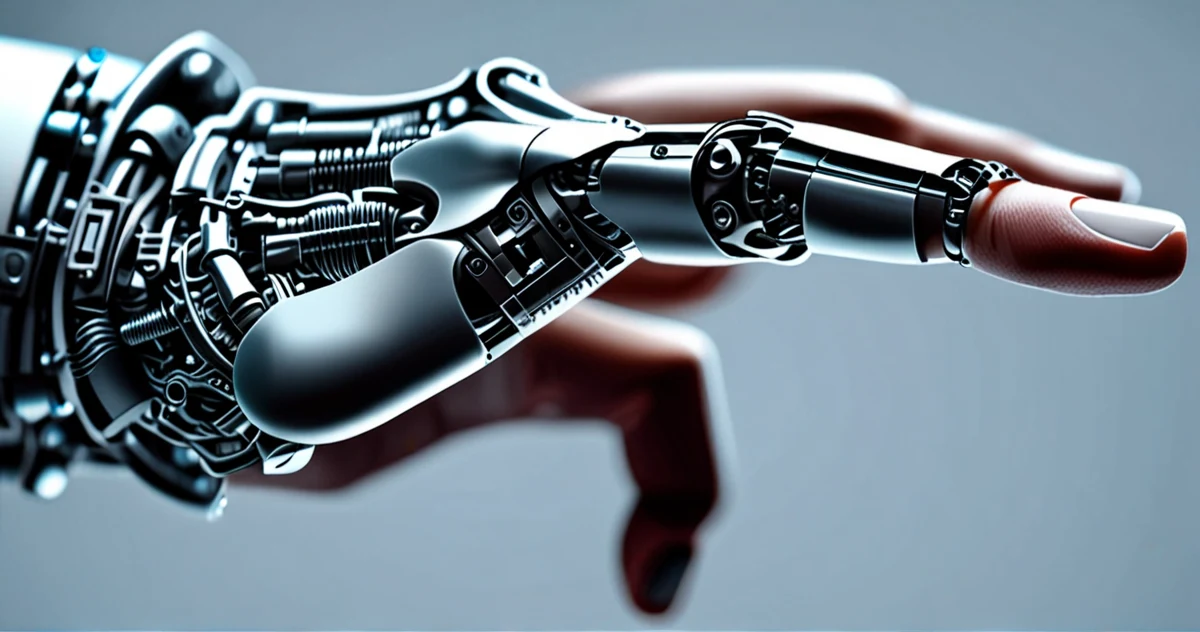
Cybernetic technology, imagined in RoboCop and The Six Million Dollar Man, is now a medical reality with bionic prosthetics and implants that restore lost functions. This evolution, mentioned by Micron, opens new perspectives for human enhancement.
9. Directed Energy Weapons
Although less common, technologies like lasers, predicted in Star Wars, are used in military and medical applications. Livescience notes that these innovations, although different from their cinematic representations, do indeed exist.
10. Global Surveillance Systems
Films like 1984 anticipated mass surveillance that strangely resembles modern camera systems and online tracking. This prediction, although controversial, has become a reality with security technologies and targeted advertising.
Comparative Table: Fiction vs Reality
| Technology | Cinematic Prediction | Current Reality |
|-------------|-------------------------------|------------------|
| Virtual Reality | Complete simulated worlds (The Matrix) | VR headsets for gaming and training |
| Video Communications | Calls without active response (Demolition Man) | Video conferencing with notifications |
| Voice Assistants | Conversational interfaces (2001) | Alexa, Siri for home commands |
| Autonomous Vehicles | Self-driving cars (Minority Report) | Assisted driving systems |
| Biometric Recognition | Facial authentication (Mission: Impossible) | Fingerprint unlocking on smartphones |
| Touchscreens | Gestural interfaces (Star Trek) | Smartphones and touch tablets |
| Domestic Robots | Robotized assistants (Star Wars) | Autonomous Roomba vacuum cleaners |
How Science Fiction Inspires Real Innovation
The process by which science fiction influences technological development follows several distinct paths:
Influence Mechanisms:
- Direct Inspiration: Engineers draw inspiration from concepts presented on screen
- Cultural Preparation: The public becomes more receptive to new technologies
- Ethical Exploration: Films anticipate the social implications of innovations
Three Surprising Truths About Technological Predictions
- Science fiction inspires more than it predicts: Often, real innovations are motivated by fictional visions, as Electronics Howstuffworks points out, rather than by precise prediction.
- Timelines are often underestimated: Many technologies take decades to materialize, showing that development is more complex than in films.
- Ethics follows technology: Questions about privacy and surveillance, anticipated in fiction, become crucial with the advancement of innovations.
The Future of Cinematic Predictions
In conclusion, science fiction cinema has not only entertained, but also paved the way for technologies that shape our present. From VR headsets to voice assistants, these predictions show the power of human imagination. While reality is often more modest than fiction, it continues to draw inspiration from it. Which science fiction technology do you think will become reality in the next decade?
To Go Further
- Altaonline - Article on science fiction technological predictions
- Livescience - List of science fiction predictions that came true
- Pop-verse - Analysis of Demolition Man predictions
- Electronics Howstuffworks - Science fiction gadgets we wish existed
- Wikipedia - List of technologies predicted in science fiction
- Reddit - Discussions about future science fiction technologies
- Reddit - Debates about ridiculous science fiction technologies
- Micron - Technologies predicted by science fiction and their impact